
FIFA to award World Cup winners championship rings, and fans can buy replicas
The 2026 World Cup final introduces Super Bowl-style rings alongside a growing crypto infrastructure built on Kraken partnerships and Avalanche's blockchain
Soccer’s biggest prize is getting a very American upgrade. FIFA announced that the winner of the 2026 World Cup final will receive championship rings, the kind of hardware previously reserved for Super Bowl champions and NBA title-holders. It marks the first time in FIFA’s history that the organization has issued rings for its world champions, and the timing is not subtle: the final is being played at MetLife Stadium in New Jersey, the same building that hosted Super Bowl XLVIII.
Spain and Argentina meet in the final on July 19, and beyond the trophy, the winning squad and staff will receive 30 custom-made rings. The remaining 1,996 rings, part of a total production run of exactly 2,026 pieces in a nod to the tournament year, will be sold as licensed replicas to fans willing to pay for a piece of history.
The ring itself, and what FIFA is actually selling
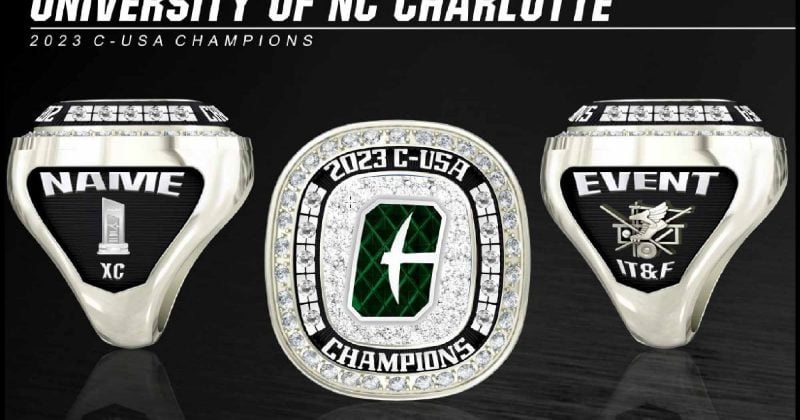
The design features the World Cup trophy on one face, with team-specific engravings on the opposite side. A temporary ring will be presented to the winning captain and coach immediately after the final whistle.
The fan replica program produces 1,996 purchasable rings, creating artificial scarcity around what is essentially licensed merchandise. Whether those rings hold resale value depends almost entirely on which team wins, a dynamic that makes the Argentina vs. Spain matchup financially consequential for ring buyers in a way that goes beyond pure fandom.
FIFA’s crypto infrastructure is bigger than the rings
Kraken, the crypto exchange, was announced as the official cryptocurrency exchange supporter of the 2026 World Cup on June 9, 2026. The partnership includes fan activations and promotions across North America and Europe.
The news moving money, markets, and the world—before your day starts.
Daily. Free. Join 34,000+ readers across crypto, finance, and policy.
Avalanche’s blockchain underpins FIFA’s custom blockchain platform, which has already issued over 100,000 ticket rights generating more than $25 million in volume. FIFA used blockchain-based ticketing specifically to address scalping, putting verifiable ownership on-chain so that resale activity becomes traceable and controllable.
The memecoin problem, and what it means for crypto investors
Predictably, the tournament has also spawned a wave of unofficial tokens. WORLDCUP, W26, and national team tokens including ARG have launched in the buildup to the final. None of these have any affiliation with FIFA, Kraken, or any official tournament entity.
For investors, the risk profile here is straightforward. Official partners like Kraken have regulatory standing, balance sheets, and reputational skin in the game. Unofficial tokens have none of those things, and the pseudonymous teams behind them face essentially no consequences for exit-scamming a community that formed around a soccer tournament.