
Nexo Earn with Nexo
FIFA chief warns Los Angeles of World Cup ‘happy barbarians’ descending on the city

FIFA chief warns Los Angeles of World Cup ‘happy barbarians’ descending on the city

Gianni Infantino's colorful description of soccer fans at the Milken Institute highlights the scale of preparation needed as the largest World Cup ever comes to North America.

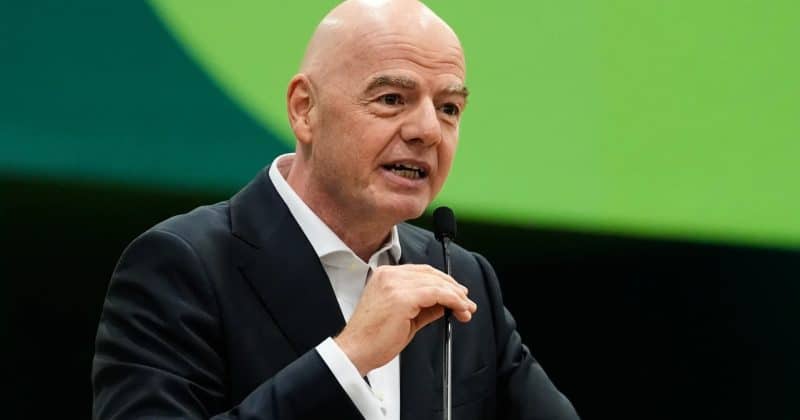
FIFA President Gianni Infantino has a way with words. Speaking at the Milken Institute Global Conference in Los Angeles on June 3, he described the millions of international soccer fans heading to the US for the 2026 World Cup as a “horde of barbarians, but happy barbarians invading the country.”

For FIFA, it’s cheerful marketing. For a city scrambling to prepare for one of the largest sporting events in history, it’s a reminder that the clock is ticking with the tournament opening on June 11.

The biggest World Cup ever hits American soil

The 2026 FIFA World Cup expands to 48 teams and 80 matches, making it the largest in the event’s nearly century-long history. Los Angeles is one of 16 host cities across North America, with SoFi Stadium in Inglewood set to host several marquee fixtures.

For context, the 2022 Qatar World Cup featured 32 teams. Adding 16 more squads doesn’t just mean more games. It means more fans, more logistics, more security headaches, and more economic activity flowing through host cities.

Advertisement

Infantino’s remarks at the Milken conference, a gathering that typically draws finance and business leaders rather than sports executives, were clearly designed to frame the World Cup as an economic opportunity.

Security plans and political sensitivities

Local officials in Los Angeles have been working on multi-agency security plans for months. One particularly notable commitment: officials have stated that civil immigration enforcement will not take place at World Cup events.

Still, advocacy groups have flagged concerns about what they describe as a broader “climate of fear” surrounding immigration in the US. The World Cup carve-out, while meaningful for the event itself, doesn’t address the wider anxiety that immigrant communities face outside stadium walls.

What this means beyond the pitch

Sixteen host cities across three countries. Forty-eight national teams. Eighty matches spread over roughly a month.

For Los Angeles specifically, the timing is notable. The city is also preparing to host the 2028 Summer Olympics, which means the World Cup serves as something of a dress rehearsal for how LA handles transportation, security, fan experience, and the sheer human volume of a global event.

The economic implications for local businesses are significant, though they’re not evenly distributed. Hotels, restaurants, and transportation services near SoFi Stadium will see the most direct impact. Small businesses further from the action may find that road closures and traffic disruptions actually hurt their bottom line during match days.

The 48-team format was controversial when announced, with critics arguing it dilutes the quality of play. FIFA’s counter-argument has always been financial: bigger is better when you’re selling a global product.

Disclosure: This article was edited by Editorial Team. For more information on how we create and review content, see our Editorial Policy.

FIFA chief warns Los Angeles of World Cup ‘happy barbarians’ descending on the city

FIFA chief warns Los Angeles of World Cup ‘happy barbarians’ descending on the city

Gianni Infantino's colorful description of soccer fans at the Milken Institute highlights the scale of preparation needed as the largest World Cup ever comes to North America.

FIFA President Gianni Infantino has a way with words. Speaking at the Milken Institute Global Conference in Los Angeles on June 3, he described the millions of international soccer fans heading to the US for the 2026 World Cup as a “horde of barbarians, but happy barbarians invading the country.”

For FIFA, it’s cheerful marketing. For a city scrambling to prepare for one of the largest sporting events in history, it’s a reminder that the clock is ticking with the tournament opening on June 11.

The biggest World Cup ever hits American soil

The 2026 FIFA World Cup expands to 48 teams and 80 matches, making it the largest in the event’s nearly century-long history. Los Angeles is one of 16 host cities across North America, with SoFi Stadium in Inglewood set to host several marquee fixtures.

For context, the 2022 Qatar World Cup featured 32 teams. Adding 16 more squads doesn’t just mean more games. It means more fans, more logistics, more security headaches, and more economic activity flowing through host cities.

Advertisement

Infantino’s remarks at the Milken conference, a gathering that typically draws finance and business leaders rather than sports executives, were clearly designed to frame the World Cup as an economic opportunity.

Security plans and political sensitivities

Local officials in Los Angeles have been working on multi-agency security plans for months. One particularly notable commitment: officials have stated that civil immigration enforcement will not take place at World Cup events.

Still, advocacy groups have flagged concerns about what they describe as a broader “climate of fear” surrounding immigration in the US. The World Cup carve-out, while meaningful for the event itself, doesn’t address the wider anxiety that immigrant communities face outside stadium walls.

What this means beyond the pitch

Sixteen host cities across three countries. Forty-eight national teams. Eighty matches spread over roughly a month.

For Los Angeles specifically, the timing is notable. The city is also preparing to host the 2028 Summer Olympics, which means the World Cup serves as something of a dress rehearsal for how LA handles transportation, security, fan experience, and the sheer human volume of a global event.

The economic implications for local businesses are significant, though they’re not evenly distributed. Hotels, restaurants, and transportation services near SoFi Stadium will see the most direct impact. Small businesses further from the action may find that road closures and traffic disruptions actually hurt their bottom line during match days.

The 48-team format was controversial when announced, with critics arguing it dilutes the quality of play. FIFA’s counter-argument has always been financial: bigger is better when you’re selling a global product.

Disclosure: This article was edited by Editorial Team. For more information on how we create and review content, see our Editorial Policy.