
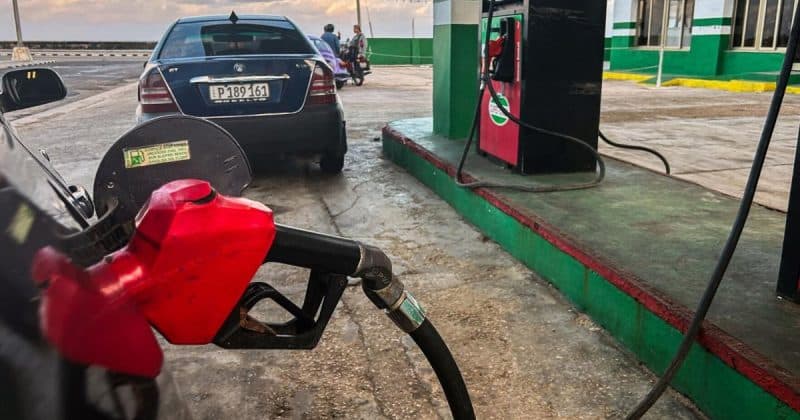
Florida trading company nears deal to send Cuba largest US fuel cargo in decades
Vanguard Energy is negotiating a 250,000-barrel shipment to the island, dwarfing the 30,000 barrels already sent this year under a Trump-era policy shift.
A Florida energy trading firm called Vanguard Energy is in advanced negotiations to ship roughly 250,000 barrels of fuel to Cuba. If completed, it would be the largest US fuel cargo sent to the island since 1960, back when Eisenhower was in the White House.
To put the scale in perspective: US fuel exports to Cuba’s private sector totaled about 30,000 barrels across all of 2026 so far. This single shipment would multiply that figure more than eightfold.
What’s actually happening
Matthew Klann, President of Vanguard Energy, has confirmed the company is expanding its Cuban operations beyond the smaller gasoline and diesel shipments it previously executed. The firm has secured storage tanks on the island to accommodate the target volume.
Earlier shipments this year moved via container ships departing from Florida and the Gulf Coast. Those were modest deliveries to Cuba’s private sector. The 250,000-barrel deal represents an entirely different scale of ambition.
No final agreement has been reached yet. The timeline for completion remains unclear.
Why this is even possible now
For decades, US fuel exports to Cuba were effectively impossible under the broader trade embargo. That changed in February 2026, when the Trump administration enacted a policy allowing limited fuel exports to Cuba’s micro, small, and medium enterprises, known as MSMEs, without requiring special licenses.
The news moving money, markets, and the world—before your day starts.
Daily. Free. Join 34,000+ readers across crypto, finance, and policy.
The key distinction: fuel can flow to Cuba’s private sector, but shipments to the Cuban government remain prohibited under the embargo.
Cuba’s energy crisis made this opening particularly urgent. The island has been suffering widespread blackouts, with conditions deteriorating significantly over the past two years. Traditional energy partners Venezuela and Russia have seen their own supply capabilities shrink, leaving Cuba increasingly desperate for alternative fuel sources.
The broader context
The February 2026 policy change from Washington created a commercial channel for US firms to sell fuel to Cuba’s growing private sector, while maintaining the embargo on government-to-government energy trade.
Vanguard Energy’s earlier shipments essentially served as a proof of concept. They demonstrated that US-origin fuel could reach Cuban private enterprises through existing logistics networks. The 250,000-barrel negotiation is the logical next step: scaling up what already works.
What this means for investors
The risks are real. The embargo on government shipments remains firmly in place, and the line between Cuba’s private sector and state apparatus can be blurry in practice. Any perceived violation could trigger regulatory blowback.
Investors watching the energy space in the Caribbean should pay attention to whether this deal actually closes and what volume ultimately ships. A successful 250,000-barrel delivery would likely accelerate interest from larger US energy firms that have so far stayed on the sidelines.