
France and UK prepare multinational mission to secure Strait of Hormuz as crypto toll system raises eyebrows
European powers are assembling a defensive naval coalition to reopen the world's most critical oil chokepoint, where Iran has been collecting tolls in Bitcoin and stablecoins
President Emmanuel Macron announced that France and the UK are prepared to lead a multinational mission to reopen and secure the Strait of Hormuz, contingent on the US-Iran agreement holding. The declaration, made on June 15, 2026, marks Europe’s most ambitious joint naval initiative in years, and it comes with a crypto twist nobody saw coming.
The Strait of Hormuz handles roughly 20% of global oil trade. The 2026 US-Iran conflict choked off one of the planet’s most vital shipping lanes and sent energy markets into a tailspin.
A coalition of the cautious
The groundwork for this mission was laid back on April 17, 2026, when Macron and UK Prime Minister Keir Starmer co-chaired an international summit attended by approximately 51 non-belligerent nations. The goal was straightforward: coordinate a strictly defensive maritime operation focused on mine clearance and commercial shipping escorts.
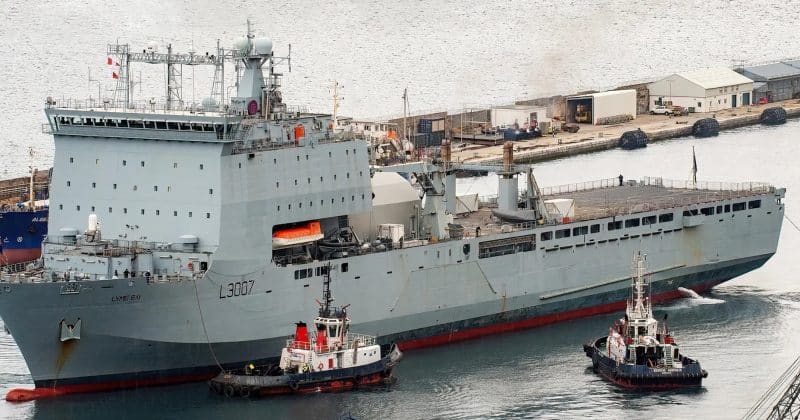
France and the UK have framed this as a neutral operation, one that avoids direct conflict involvement and is coordinated with Iran to prevent escalation. The UK has dispatched the HMS Dragon as part of planning efforts. France has referenced the Charles de Gaulle aircraft carrier among its available assets. The actual deployment of military resources remains contingent on security conditions in the region.
The news moving money, markets, and the world—before your day starts.
Daily. Free. Join 34,000+ readers across crypto, finance, and policy.
Iran’s Bitcoin toll booth
During the closure periods, Iran imposed tolls on vessels transiting the chokepoint, charging approximately $1 per barrel or up to $2 million per vessel. These tolls were payable in Bitcoin or stablecoins. The toll system has been linked to the Islamic Revolutionary Guard Corps (IRGC) and was operational during the periods when the Strait faced significant disruption.
What markets are saying
Bitcoin rose approximately 2% to around $65,800 on news of the deal. Oil prices moved in the opposite direction, dropping roughly 5% to about $80 per barrel. The oil drop reflects the geopolitical risk premium that had been baked into crude prices deflating once a credible security framework materialized for the Strait. When 20% of the world’s oil supply faces fewer obstacles getting to market, traders reprice accordingly.