
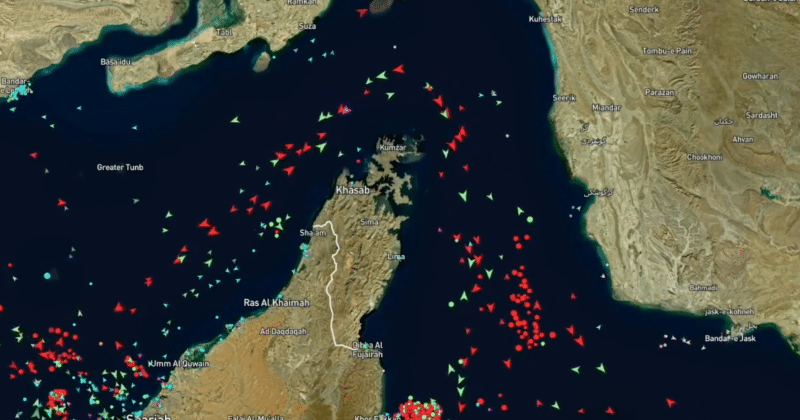
Gas prices expected to decline following Iran war deal as Strait of Hormuz reopens
The US-Iran peace agreement is already pushing crude oil prices lower, with ripple effects reaching crypto markets and inflation expectations
The Strait of Hormuz is open for business again. A US-Iran peace agreement reached on June 14, 2026, effectively ends months of hostilities that had choked one of the world’s most critical energy bottlenecks, and fuel markets are already responding.
Brent crude oil dropped by $3 to $5 per barrel following the announcement, settling around $83.89. West Texas Intermediate crude fell to approximately $80.85.
What the deal means for drivers
During the conflict, US national average gas prices surged above $4.50 per gallon. Analysts now expect gradual reductions at the pump, potentially several cents per day as markets digest the lowered supply risk. Full price normalization may not arrive until sometime in 2027.
The Strait of Hormuz handles roughly 20% of global oil flows. The conflict that began in late February 2026 had progressively restricted transit through the strait, creating a slow-motion energy crisis that pushed crude benchmarks higher and dragged consumer fuel costs along for the ride.
The crypto connection you didn’t see coming
Iran’s cryptocurrency portfolio is estimated at roughly $7.7 to $7.8 billion, accumulated primarily as a tool for sanctions evasion. The US Treasury has responded by imposing sanctions on digital asset wallets linked to Iran, freezing hundreds of millions of dollars in crypto tied to evasion activities.
Despite that regulatory overhang, crypto markets reacted positively to the peace signals. Bitcoin’s price moved toward $74,000 as investor sentiment improved on the back of de-escalation news.