
Gas prices may stay high despite US-Iran deal as structural headwinds persist
Oil prices dropped sharply on the peace framework announcement, but gasoline remains roughly 37% above pre-war levels with no quick return to normal in sight
The US-Iran peace framework announced around June 14-15 did exactly what markets hoped it would do to oil prices. Brent crude dropped more than 5%, settling near $82.84-$82.91 per barrel. The problem is what it hasn’t done to the price you actually pay at the pump.
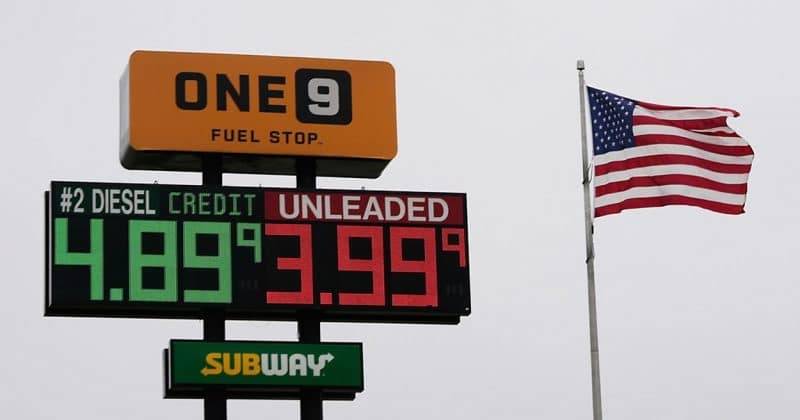
US gasoline prices sit at a national average of roughly $4.07 per gallon. That’s down from the $4.56 peak earlier this year, but still about 36.6% higher than pre-war levels below $3.
How we got here
The conflict traces back to late February 2026, when US-Israel military actions against Iran triggered a chain reaction that shut down the Strait of Hormuz. That waterway handles roughly 20% of global oil trade.
Brent crude spiked to between $112 and $120 per barrel by early April 2026. US gasoline prices surged more than 50% from their pre-conflict baseline, hitting that $4.56 per gallon peak.
The proposed peace framework includes plans to reopen the Strait of Hormuz and lift the US naval blockade. A formal signing has been tentatively scheduled for June 19.
Macro, rates, and crypto—what moved markets and what matters next.
Daily. Free. Join 34,000+ readers across crypto, finance, and policy.
What the crypto market is telling us
Bitcoin responded to the deal announcement by climbing approximately 2% to a two-week high above $65,500.
During the worst of the conflict, rising energy costs acted as a drag on risk assets across the board. Higher oil prices feed into inflation expectations, which feed into tighter monetary policy expectations, which feed into lower prices for speculative assets like crypto.
What investors should actually watch
The formal signing date of June 19 is the immediate catalyst. If the deal gets inked as expected, the market will shift its focus to how quickly the Strait of Hormuz reopens to full commercial traffic and how fast sanctioned oil flows resume.
Some analysts pointed out during the 2022 energy crisis that prices take the elevator up and the stairs down. The same dynamic appears to be in play here.
Volatility in crypto markets is likely to persist as investors toggle between geopolitical optimism and the stubborn reality that structural problems in energy markets don’t resolve on political timelines.