
Nexo Earn with Nexo
Higher gasoline prices push US consumer inflation in May

Higher gasoline prices push US consumer inflation in May

Rising energy costs are expected to drive CPI to its fastest pace since April 2023, with significant implications for Federal Reserve policy and crypto markets.

Gasoline prices are doing what they do best: making everything more expensive. After April’s Consumer Price Index came in at 3.8% year-over-year, up from 3.3% the month before, projections for May suggest the number could climb to 4.2%, which would mark the fastest pace of inflation since April 2023.

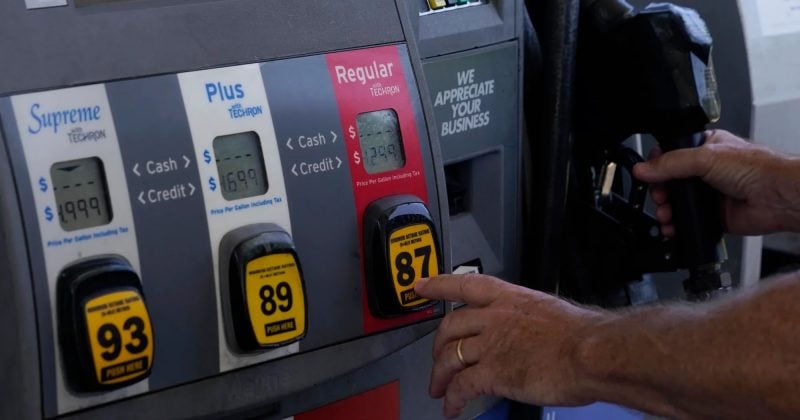
The culprit is energy. Gasoline prices surged 5.4% month-over-month in April, translating to a staggering 28.4% increase on a year-over-year basis. The broader energy index rose 17.9% year-over-year, a figure that makes the Fed’s job considerably harder and investors considerably more nervous.

Advertisement

The gasoline problem won’t stay at the pump

Geopolitical tensions, particularly involving Iran, have been the primary catalyst for elevated energy prices. Those tensions have shown little sign of cooling, which means the inflationary pressure from gasoline isn’t a one-month blip.

The April CPI reading of 3.8% was already uncomfortable enough to shift market expectations around Federal Reserve policy. A May print of 4.2% would make the case for interest rate cuts even harder to argue. Moving from 3.3% to a projected 4.2% in just two months isn’t a gradual anything. It’s acceleration in the wrong direction.

What this means for crypto and risk assets

Bitcoin was trading at approximately $80,600 following the April CPI release. When CPI comes in hot, markets reprice rate cut expectations downward. When rate cut expectations fall, liquidity expectations tighten. When liquidity tightens, risk assets feel the squeeze.

If May’s CPI does hit 4.2%, it would represent a meaningful shift in the macro backdrop that has been supporting crypto’s recovery. Markets had been pricing in multiple rate cuts for the back half of the year. Those bets are now being unwound.

The Fed’s narrowing options

The energy index’s 17.9% year-over-year increase signals that inflation isn’t being driven by demand overheating across the board. It’s concentrated in a sector heavily influenced by global supply dynamics. Core inflation measures, which exclude volatile food and energy prices, have exhibited more moderate increases, suggesting a complex interplay between energy costs and broader inflation trends.

Disclosure: This article was edited by Editorial Team. For more information on how we create and review content, see our Editorial Policy.

Higher gasoline prices push US consumer inflation in May

Higher gasoline prices push US consumer inflation in May

Rising energy costs are expected to drive CPI to its fastest pace since April 2023, with significant implications for Federal Reserve policy and crypto markets.

Gasoline prices are doing what they do best: making everything more expensive. After April’s Consumer Price Index came in at 3.8% year-over-year, up from 3.3% the month before, projections for May suggest the number could climb to 4.2%, which would mark the fastest pace of inflation since April 2023.

The culprit is energy. Gasoline prices surged 5.4% month-over-month in April, translating to a staggering 28.4% increase on a year-over-year basis. The broader energy index rose 17.9% year-over-year, a figure that makes the Fed’s job considerably harder and investors considerably more nervous.

Advertisement

The gasoline problem won’t stay at the pump

Geopolitical tensions, particularly involving Iran, have been the primary catalyst for elevated energy prices. Those tensions have shown little sign of cooling, which means the inflationary pressure from gasoline isn’t a one-month blip.

The April CPI reading of 3.8% was already uncomfortable enough to shift market expectations around Federal Reserve policy. A May print of 4.2% would make the case for interest rate cuts even harder to argue. Moving from 3.3% to a projected 4.2% in just two months isn’t a gradual anything. It’s acceleration in the wrong direction.

What this means for crypto and risk assets

Bitcoin was trading at approximately $80,600 following the April CPI release. When CPI comes in hot, markets reprice rate cut expectations downward. When rate cut expectations fall, liquidity expectations tighten. When liquidity tightens, risk assets feel the squeeze.

If May’s CPI does hit 4.2%, it would represent a meaningful shift in the macro backdrop that has been supporting crypto’s recovery. Markets had been pricing in multiple rate cuts for the back half of the year. Those bets are now being unwound.

The Fed’s narrowing options

The energy index’s 17.9% year-over-year increase signals that inflation isn’t being driven by demand overheating across the board. It’s concentrated in a sector heavily influenced by global supply dynamics. Core inflation measures, which exclude volatile food and energy prices, have exhibited more moderate increases, suggesting a complex interplay between energy costs and broader inflation trends.

Disclosure: This article was edited by Editorial Team. For more information on how we create and review content, see our Editorial Policy.