
Nexo Earn with Nexo
Gulf Cooperation Council welcomes US-Iran memorandum of understanding, signaling potential shift for energy and crypto markets

Gulf Cooperation Council welcomes US-Iran memorandum of understanding, signaling potential shift for energy and crypto markets

The six-nation bloc expressed optimism that the framework deal could lead to a permanent agreement promoting regional security in the Gulf

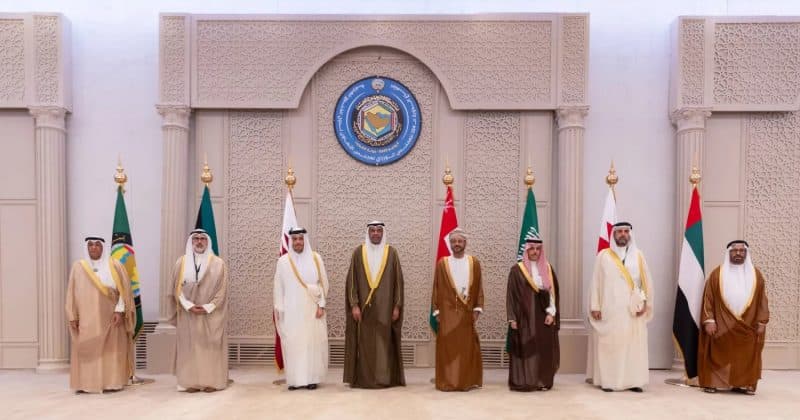
The Gulf Cooperation Council has officially welcomed the emerging memorandum of understanding between the United States and Iran, expressing hope that the framework will evolve into a permanent agreement that stabilizes one of the world’s most strategically vital regions.

What the deal actually says

The MoU itself is a one-page framework. It outlines several critical components: a 60-day ceasefire, the reopening of the Strait of Hormuz on a toll-free basis, the halting of Iranian nuclear enrichment activities, sanctions relief, and the eventual release of approximately $24 billion in frozen Iranian assets.

US and Iranian negotiators are reportedly finalizing the document as of early June 2026, with a potential signing ceremony expected to take place in Europe soon.

Advertisement

Qatar, which served as a key mediator in the negotiations, was among the first to publicly endorse the framework. Qatar’s Ministry of Foreign Affairs specifically welcomed the MoU’s provisions regarding freedom of navigation in the Strait of Hormuz, a waterway through which roughly one-fifth of the world’s oil supply passes daily.

The conflict that got us here

The MoU didn’t emerge from a vacuum. It follows a period of acute regional escalation that kicked off around February 28, 2026, when US and Israeli airstrikes targeted Iranian assets.

About 20% of Qatar’s Ras Laffan facility, one of the largest LNG production sites on the planet, was damaged during the conflict. The damage was severe enough that Iran declared force majeure on LNG contracts.

The GCC, which comprises Saudi Arabia, the UAE, Qatar, Kuwait, Bahrain, and Oman, has collectively shown optimism that this deal could lay the groundwork for a lasting security framework. Qatar’s foreign ministry described the MoU as a pivotal stride towards stability, fostering peaceful dialogue and prospects for sustainable economic growth in the region.

What this means for investors

The reopening of the Strait of Hormuz toll-free is the single most market-relevant provision in the MoU. When that waterway is under threat, shipping insurance rates spike, oil futures climb, and global trade routes get rerouted at enormous cost.

The potential release of $24 billion in frozen Iranian assets is another variable worth watching. That’s a significant capital injection into an economy that has been largely walled off from global financial systems.

There are no mentions of crypto assets or blockchain protocols anywhere in the MoU discussions. The 60-day negotiating window is the key metric to watch. If that period produces a permanent agreement with enforceable provisions, markets will likely price in a meaningful reduction in Gulf-related geopolitical risk. If negotiations stall or collapse, the premium comes roaring back.

Disclosure: This article was edited by Editorial Team. For more information on how we create and review content, see our Editorial Policy.

Gulf Cooperation Council welcomes US-Iran memorandum of understanding, signaling potential shift for energy and crypto markets

Gulf Cooperation Council welcomes US-Iran memorandum of understanding, signaling potential shift for energy and crypto markets

The six-nation bloc expressed optimism that the framework deal could lead to a permanent agreement promoting regional security in the Gulf

The Gulf Cooperation Council has officially welcomed the emerging memorandum of understanding between the United States and Iran, expressing hope that the framework will evolve into a permanent agreement that stabilizes one of the world’s most strategically vital regions.

What the deal actually says

The MoU itself is a one-page framework. It outlines several critical components: a 60-day ceasefire, the reopening of the Strait of Hormuz on a toll-free basis, the halting of Iranian nuclear enrichment activities, sanctions relief, and the eventual release of approximately $24 billion in frozen Iranian assets.

US and Iranian negotiators are reportedly finalizing the document as of early June 2026, with a potential signing ceremony expected to take place in Europe soon.

Advertisement

Qatar, which served as a key mediator in the negotiations, was among the first to publicly endorse the framework. Qatar’s Ministry of Foreign Affairs specifically welcomed the MoU’s provisions regarding freedom of navigation in the Strait of Hormuz, a waterway through which roughly one-fifth of the world’s oil supply passes daily.

The conflict that got us here

The MoU didn’t emerge from a vacuum. It follows a period of acute regional escalation that kicked off around February 28, 2026, when US and Israeli airstrikes targeted Iranian assets.

About 20% of Qatar’s Ras Laffan facility, one of the largest LNG production sites on the planet, was damaged during the conflict. The damage was severe enough that Iran declared force majeure on LNG contracts.

The GCC, which comprises Saudi Arabia, the UAE, Qatar, Kuwait, Bahrain, and Oman, has collectively shown optimism that this deal could lay the groundwork for a lasting security framework. Qatar’s foreign ministry described the MoU as a pivotal stride towards stability, fostering peaceful dialogue and prospects for sustainable economic growth in the region.

What this means for investors

The reopening of the Strait of Hormuz toll-free is the single most market-relevant provision in the MoU. When that waterway is under threat, shipping insurance rates spike, oil futures climb, and global trade routes get rerouted at enormous cost.

The potential release of $24 billion in frozen Iranian assets is another variable worth watching. That’s a significant capital injection into an economy that has been largely walled off from global financial systems.

There are no mentions of crypto assets or blockchain protocols anywhere in the MoU discussions. The 60-day negotiating window is the key metric to watch. If that period produces a permanent agreement with enforceable provisions, markets will likely price in a meaningful reduction in Gulf-related geopolitical risk. If negotiations stall or collapse, the premium comes roaring back.

Disclosure: This article was edited by Editorial Team. For more information on how we create and review content, see our Editorial Policy.