
Nexo Earn with Nexo
German investor confidence turns positive as ZEW index hits 10.5

German investor confidence turns positive as ZEW index hits 10.5

The ZEW sentiment indicator swung 20.7 points in a single month, blowing past analyst expectations as Iran deal progress reshapes European economic outlook

For the first time since February, German investors are feeling something unfamiliar: optimism. The ZEW Indicator of Economic Sentiment surged to +10.5 in June 2026, a dramatic reversal from May’s reading of -10.2 and the first positive print in four months.

That’s a 20.7-point swing in a single month. Analysts had expected the index to land around -6. They weren’t even close.

What’s driving the turnaround

The short answer: Iran. Progress in diplomatic negotiations around the Iran conflict has shifted the mood among Europe’s financial class, who had been watching energy prices and inflation anxieties eat into the continent’s economic prospects since tensions escalated in February.

Advertisement

The ZEW survey polls roughly 300 to 350 financial experts from banks, insurers, and corporations across Germany. These aren’t retail investors refreshing their portfolios on a phone. They’re institutional professionals whose six-month economic expectations feed directly into one of Europe’s most-watched sentiment gauges.

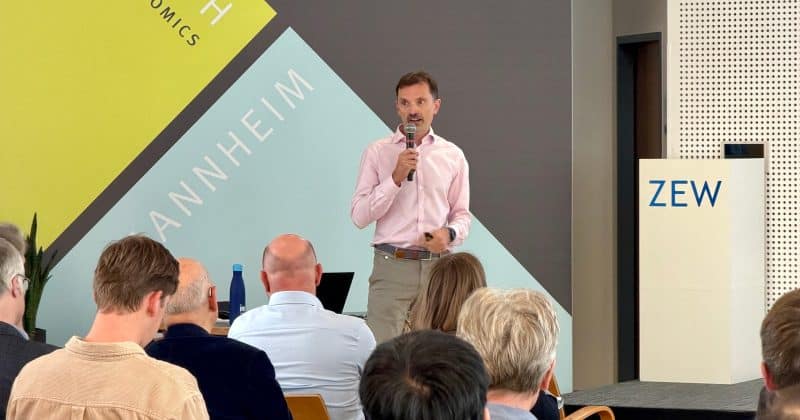
ZEW President Achim Wambach pointed to the potential end of the Iran conflict as a key catalyst, noting it could lower both inflation and energy prices. The euro has strengthened in response, and broader sentiment toward European assets has turned more favorable.

The reality check buried in the data

While the forward-looking expectations component flipped positive, the current economic situation assessment remained deeply in the red, sitting at around -81. That’s not a typo. Negative eighty-one.

In English: investors believe things will get better, but they also acknowledge that right now, the German economy is in rough shape. The gap between where the economy is and where people hope it’s going has rarely been this wide.

The forward-looking optimism is largely conditional. It rests on the assumption that the Iran deal progresses, energy prices stabilize, and inflation continues to moderate. If any of those assumptions break down, the sentiment rebound could reverse just as quickly as it arrived.

What this means for investors

For equity investors, sectors sensitive to energy costs, including manufacturing, chemicals, and industrials, could benefit if the geopolitical backdrop continues to improve. If inflation expectations decline alongside energy prices, the European Central Bank gains more room to ease monetary policy.

That said, the conditional nature of the optimism is the key risk. The 20.7-point jump was enormous, the kind of move that prices in a lot of good news very quickly. If Iran negotiations stall or energy markets see renewed disruption, the snapback could be severe.

Disclosure: This article was edited by Editorial Team. For more information on how we create and review content, see our Editorial Policy.

German investor confidence turns positive as ZEW index hits 10.5

German investor confidence turns positive as ZEW index hits 10.5

The ZEW sentiment indicator swung 20.7 points in a single month, blowing past analyst expectations as Iran deal progress reshapes European economic outlook

For the first time since February, German investors are feeling something unfamiliar: optimism. The ZEW Indicator of Economic Sentiment surged to +10.5 in June 2026, a dramatic reversal from May’s reading of -10.2 and the first positive print in four months.

That’s a 20.7-point swing in a single month. Analysts had expected the index to land around -6. They weren’t even close.

What’s driving the turnaround

The short answer: Iran. Progress in diplomatic negotiations around the Iran conflict has shifted the mood among Europe’s financial class, who had been watching energy prices and inflation anxieties eat into the continent’s economic prospects since tensions escalated in February.

Advertisement

The ZEW survey polls roughly 300 to 350 financial experts from banks, insurers, and corporations across Germany. These aren’t retail investors refreshing their portfolios on a phone. They’re institutional professionals whose six-month economic expectations feed directly into one of Europe’s most-watched sentiment gauges.

ZEW President Achim Wambach pointed to the potential end of the Iran conflict as a key catalyst, noting it could lower both inflation and energy prices. The euro has strengthened in response, and broader sentiment toward European assets has turned more favorable.

The reality check buried in the data

While the forward-looking expectations component flipped positive, the current economic situation assessment remained deeply in the red, sitting at around -81. That’s not a typo. Negative eighty-one.

In English: investors believe things will get better, but they also acknowledge that right now, the German economy is in rough shape. The gap between where the economy is and where people hope it’s going has rarely been this wide.

The forward-looking optimism is largely conditional. It rests on the assumption that the Iran deal progresses, energy prices stabilize, and inflation continues to moderate. If any of those assumptions break down, the sentiment rebound could reverse just as quickly as it arrived.

What this means for investors

For equity investors, sectors sensitive to energy costs, including manufacturing, chemicals, and industrials, could benefit if the geopolitical backdrop continues to improve. If inflation expectations decline alongside energy prices, the European Central Bank gains more room to ease monetary policy.

That said, the conditional nature of the optimism is the key risk. The 20.7-point jump was enormous, the kind of move that prices in a lot of good news very quickly. If Iran negotiations stall or energy markets see renewed disruption, the snapback could be severe.

Disclosure: This article was edited by Editorial Team. For more information on how we create and review content, see our Editorial Policy.