
Germany strikes deal to buy US Tomahawk missiles, Merz confirms at NATO summit

Germany strikes deal to buy US Tomahawk missiles, Merz confirms at NATO summit

Berlin's long-range strike gap is finally getting filled, with Tomahawk cruise missiles set to be stationed on German soil following years of negotiations

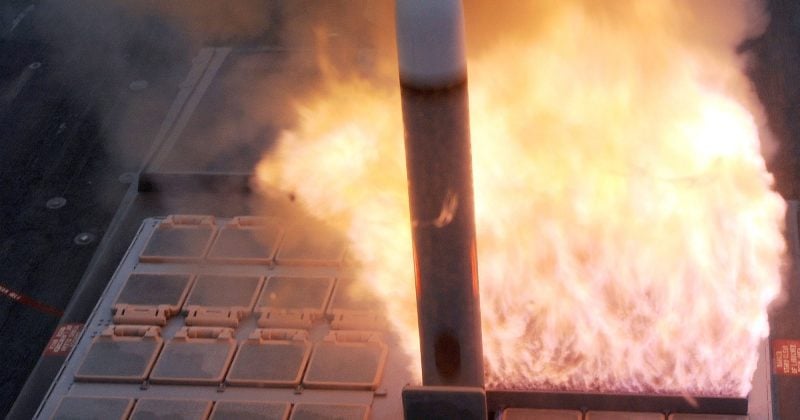
Germany is getting Tomahawk missiles. Chancellor Friedrich Merz confirmed the deal on July 9, 2026, during the NATO summit in Ankara, closing a chapter of defense procurement talks that had dragged on for over a year.

Tomahawk cruise missiles are precision long-range weapons with a range of over 1,000 miles, capable of hitting targets deep inside adversary territory.

How the deal came together

The groundwork for this agreement was laid in July 2025, when Berlin began preliminary discussions with Washington about acquiring the systems. Those talks stalled, partly because the Pentagon had reservations about whether deploying such weapons in Germany could provoke escalation with Russia, and partly due to questions about US supply capacity given its own military commitments.

Advertisement

Defense Minister Boris Pistorius picked up the thread again in May 2026, pushing hard to get the purchase back on track. The announcement in Ankara signals that Washington’s earlier hesitance has been resolved, at least officially.

The Biden administration had originally committed in 2024 to strengthening European deterrence through enhanced weapons deployments. That pledge laid the political foundation for what Merz confirmed this week.

The missiles are expected to be deployed via Typhon ground-launch systems, the same mobile launcher platform the US Army has already used in exercises across Europe.

Why Germany is doing this now

Germany’s defense policy has been on a compressed modernization timeline since Russia’s full-scale invasion of Ukraine in 2022. The Zeitenwende, or turning point, declared by then-Chancellor Olaf Scholz opened the spending taps and reset political permission for capabilities that would have been unthinkable a decade ago.

Tomahawks fill a specific and acknowledged gap. Germany currently lacks a credible long-range conventional strike capability, meaning it can defend its borders but has limited ability to threaten targets at distance.

What this means for European security and defense markets

Raytheon, the US manufacturer of the Tomahawk, stands as the obvious direct beneficiary. The broader Typhon launcher ecosystem also benefits, along with European defense integrators who will be involved in basing, logistics, and maintenance infrastructure on the German side.

Disclosure: This article was edited by Editorial Team. For more information on how we create and review content, see our Editorial Policy.

Germany strikes deal to buy US Tomahawk missiles, Merz confirms at NATO summit

Germany strikes deal to buy US Tomahawk missiles, Merz confirms at NATO summit

Berlin's long-range strike gap is finally getting filled, with Tomahawk cruise missiles set to be stationed on German soil following years of negotiations

Germany is getting Tomahawk missiles. Chancellor Friedrich Merz confirmed the deal on July 9, 2026, during the NATO summit in Ankara, closing a chapter of defense procurement talks that had dragged on for over a year.

Tomahawk cruise missiles are precision long-range weapons with a range of over 1,000 miles, capable of hitting targets deep inside adversary territory.

How the deal came together

The groundwork for this agreement was laid in July 2025, when Berlin began preliminary discussions with Washington about acquiring the systems. Those talks stalled, partly because the Pentagon had reservations about whether deploying such weapons in Germany could provoke escalation with Russia, and partly due to questions about US supply capacity given its own military commitments.

Advertisement

Defense Minister Boris Pistorius picked up the thread again in May 2026, pushing hard to get the purchase back on track. The announcement in Ankara signals that Washington’s earlier hesitance has been resolved, at least officially.

The Biden administration had originally committed in 2024 to strengthening European deterrence through enhanced weapons deployments. That pledge laid the political foundation for what Merz confirmed this week.

The missiles are expected to be deployed via Typhon ground-launch systems, the same mobile launcher platform the US Army has already used in exercises across Europe.

Why Germany is doing this now

Germany’s defense policy has been on a compressed modernization timeline since Russia’s full-scale invasion of Ukraine in 2022. The Zeitenwende, or turning point, declared by then-Chancellor Olaf Scholz opened the spending taps and reset political permission for capabilities that would have been unthinkable a decade ago.

Tomahawks fill a specific and acknowledged gap. Germany currently lacks a credible long-range conventional strike capability, meaning it can defend its borders but has limited ability to threaten targets at distance.

What this means for European security and defense markets

Raytheon, the US manufacturer of the Tomahawk, stands as the obvious direct beneficiary. The broader Typhon launcher ecosystem also benefits, along with European defense integrators who will be involved in basing, logistics, and maintenance infrastructure on the German side.

Disclosure: This article was edited by Editorial Team. For more information on how we create and review content, see our Editorial Policy.