
 Earn with Nexo


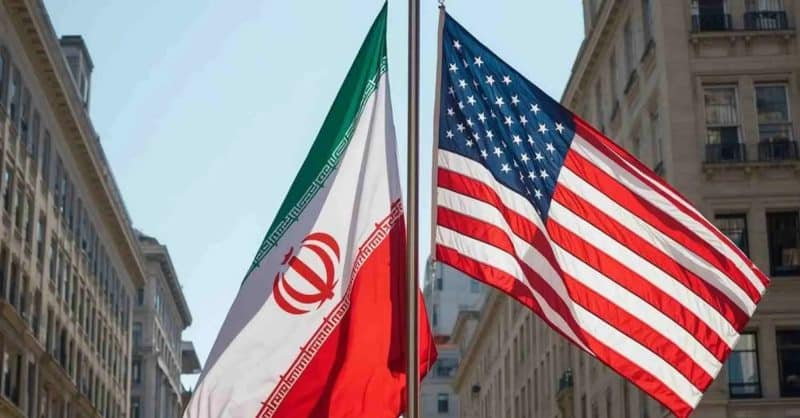
Ghalibaf’s statement about US failure to build trust follows the collapse of talks in Islamabad. Despite this, the US-Iran ceasefire by April 15 market sits at
Market reaction
The failed negotiations contrast sharply with pricing across the US-Iran ceasefire markets. All active sub-markets from April to December are at 100% YES, a clear disconnect between market pricing and what’s actually happening diplomatically. Ghalibaf’s statement, indicating a breakdown in trust, points toward bearish pressure on these contracts.
The US-Iran diplomatic meetings market faces the same problem. With trust broken, the probability of future meetings (particularly in Oman) drops. No meetings by June 30 is a real risk given this diplomatic context.
Why it matters
Combined 24-hour volume across these markets is $0, meaning the order book is thin enough that even small trades could move odds sharply. The 100% YES pricing across every timeframe doesn’t reflect informed trader sentiment; it’s a pricing anomaly in a dead market.
A YES share for a ceasefire by any date currently offers no payout difference, even though the new information is bearish. A quick resolution without a diplomatic breakthrough is unlikely, which makes these odds misleading.
What to watch
Any announcements from intermediaries like Oman or Qatar, or shifts in rhetoric from Trump or IRGC leadership, would be the first signals of renewed diplomatic activity or further escalation.
API access
Get prediction market intelligence as a structured API feed. Early access waitlist.