
Nexo Earn with Nexo
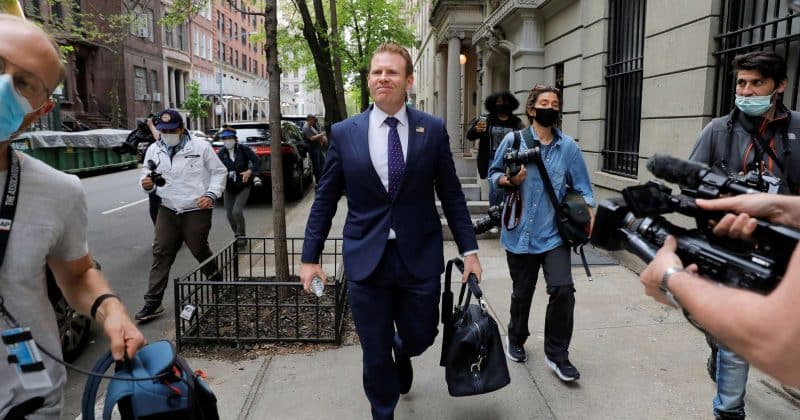
Andrew Giuliani calls Iran soccer team’s early entry a goodwill gesture as prediction markets price in World Cup participation

Andrew Giuliani calls Iran soccer team’s early entry a goodwill gesture as prediction markets price in World Cup participation

The White House World Cup czar's remarks came hours before a US-Iran ceasefire agreement, while Polymarket odds on Iran's participation sat near 99%

Andrew Giuliani, the executive director of the White House Task Force overseeing the 2026 FIFA World Cup, described the Iranian national soccer team’s early entry into the US as a “goodwill gesture” on June 14. The timing was notable: just hours later, the US and Iran reached an initial agreement extending their ceasefire after a period of escalating military tensions.

The diplomatic signal landed in a moment where sports, geopolitics, and crypto prediction markets were all watching the same thing. Polymarket had already priced Iran’s World Cup participation at 94-99% odds, suggesting bettors on the blockchain-based platform saw this outcome as nearly certain well before official confirmation.

The logistics tell the real story

Iran’s team isn’t exactly getting the red carpet treatment. The squad is based in Tijuana, Mexico, and will cross into the US only on match days, including games scheduled in Los Angeles. FIFA accepted this arrangement after visa complications made a more conventional setup impractical.

Advertisement

“We want them to be able to compete,” Giuliani told Politico.

The 2026 World Cup is co-hosted by the US, Canada, and Mexico, featuring an expanded 48-team format that kicked off around June 11. Having a participating nation’s team effectively commute across an international border for matches is unusual, to put it mildly.

The ceasefire agreement reached the same day adds another layer. Military tensions between the US and Iran had been climbing, making the logistics of hosting Iran’s athletes on American soil a genuine security and political challenge. Framing the team’s entry as a goodwill gesture rather than a concession was a deliberate choice, one that gave both sides a way to move forward without losing face.

Prediction markets called it early

Polymarket’s odds on Iran participating in their scheduled World Cup matches hovered between 94% and 99% in the lead-up to Giuliani’s announcement.

Polymarket, built on the Polygon blockchain, has become a go-to platform for pricing political and geopolitical events. Its World Cup-related markets have drawn significant volume as bettors wager on everything from match outcomes to whether specific teams will advance. The Iran participation market was one of the more closely watched contracts given the diplomatic uncertainty.

Where crypto meets the World Cup

Platforms like Chiliz, which powers fan tokens for sports organizations, stand to benefit from the increased attention. Fan tokens let holders vote on minor club decisions and access exclusive content, a model that sees transaction spikes during major tournaments when casual fans suddenly care about teams they’d otherwise ignore.

The risk side deserves attention too. If diplomatic tensions flare again during the tournament, the same prediction markets that profited from stability could see sharp reversals. Sports tokens tend to be correlated with sentiment rather than fundamentals, making them vulnerable to headline-driven volatility.

Disclosure: This article was edited by Editorial Team. For more information on how we create and review content, see our Editorial Policy.

Andrew Giuliani calls Iran soccer team’s early entry a goodwill gesture as prediction markets price in World Cup participation

Andrew Giuliani calls Iran soccer team’s early entry a goodwill gesture as prediction markets price in World Cup participation

The White House World Cup czar's remarks came hours before a US-Iran ceasefire agreement, while Polymarket odds on Iran's participation sat near 99%

Andrew Giuliani, the executive director of the White House Task Force overseeing the 2026 FIFA World Cup, described the Iranian national soccer team’s early entry into the US as a “goodwill gesture” on June 14. The timing was notable: just hours later, the US and Iran reached an initial agreement extending their ceasefire after a period of escalating military tensions.

The diplomatic signal landed in a moment where sports, geopolitics, and crypto prediction markets were all watching the same thing. Polymarket had already priced Iran’s World Cup participation at 94-99% odds, suggesting bettors on the blockchain-based platform saw this outcome as nearly certain well before official confirmation.

The logistics tell the real story

Iran’s team isn’t exactly getting the red carpet treatment. The squad is based in Tijuana, Mexico, and will cross into the US only on match days, including games scheduled in Los Angeles. FIFA accepted this arrangement after visa complications made a more conventional setup impractical.

Advertisement

“We want them to be able to compete,” Giuliani told Politico.

The 2026 World Cup is co-hosted by the US, Canada, and Mexico, featuring an expanded 48-team format that kicked off around June 11. Having a participating nation’s team effectively commute across an international border for matches is unusual, to put it mildly.

The ceasefire agreement reached the same day adds another layer. Military tensions between the US and Iran had been climbing, making the logistics of hosting Iran’s athletes on American soil a genuine security and political challenge. Framing the team’s entry as a goodwill gesture rather than a concession was a deliberate choice, one that gave both sides a way to move forward without losing face.

Prediction markets called it early

Polymarket’s odds on Iran participating in their scheduled World Cup matches hovered between 94% and 99% in the lead-up to Giuliani’s announcement.

Polymarket, built on the Polygon blockchain, has become a go-to platform for pricing political and geopolitical events. Its World Cup-related markets have drawn significant volume as bettors wager on everything from match outcomes to whether specific teams will advance. The Iran participation market was one of the more closely watched contracts given the diplomatic uncertainty.

Where crypto meets the World Cup

Platforms like Chiliz, which powers fan tokens for sports organizations, stand to benefit from the increased attention. Fan tokens let holders vote on minor club decisions and access exclusive content, a model that sees transaction spikes during major tournaments when casual fans suddenly care about teams they’d otherwise ignore.

The risk side deserves attention too. If diplomatic tensions flare again during the tournament, the same prediction markets that profited from stability could see sharp reversals. Sports tokens tend to be correlated with sentiment rather than fundamentals, making them vulnerable to headline-driven volatility.

Disclosure: This article was edited by Editorial Team. For more information on how we create and review content, see our Editorial Policy.