
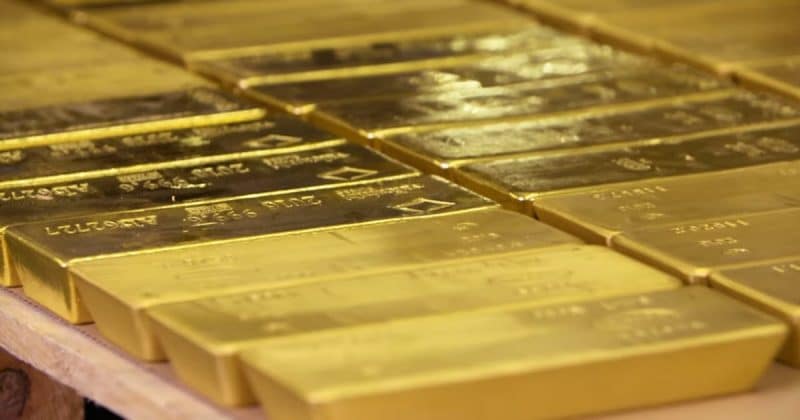
Gold surges past $4,000 on soft US jobs data as Bitcoin correlation strengthens
Weak ADP employment numbers and declining oil prices push investors toward safe-haven assets, with crypto markets watching closely
Gold jumped over 2% after the latest US private-sector jobs report came in well below expectations, pushing spot prices into the $4,071 to $4,083 per ounce range. The move, driven by a combination of disappointing employment data and falling oil prices, is yet another reminder that macroeconomic signals don’t stay in their lane. They spill directly into crypto.
The catalyst was ADP’s June employment report, which showed just 98,000 jobs added to private payrolls. Analysts had expected roughly 110,000, and the number also represented a notable decline from May’s 122,000 figure.
What’s driving the rally
When hiring slows, traders start recalculating the odds that the Federal Reserve will keep rates elevated. Lower rates, or even just the expectation of them, make non-yielding assets like gold more attractive. The dollar weakens, commodities priced in dollars get cheaper for foreign buyers, and the whole feedback loop kicks in.
Fed Chair Kevin Warsh added fuel to the fire by noting a recent easing in inflation expectations. If inflation is cooling alongside employment, the case for maintaining restrictive monetary policy gets harder to make.
Oil prices also declined in parallel, which reinforces the same narrative. Falling energy costs reduce inflationary pressure, which further supports the argument that the Fed could afford to cut rates sooner rather than later.
Macro, rates, and crypto—what moved markets and what matters next.
Daily. Free. Join 34,000+ readers across crypto, finance, and policy.
The Bitcoin connection
Both assets have shown an increasingly correlated response to US labor data releases. When May’s nonfarm payrolls came in at 172,000, beating forecasts that ranged from 85,000 to 105,000, both gold and Bitcoin faced downward pressure. The logic was straightforward: strong jobs data meant the Fed had cover to keep rates higher for longer, which made yield-bearing assets more competitive against stores of value.
This latest data release flipped that script. The ADP miss suggests the labor market is softening, which tilts expectations toward rate cuts. And when rate cut expectations rise, both gold and Bitcoin tend to benefit.
The upcoming official nonfarm payroll report, which follows the ADP data by a couple of days, will be the next major test. If it confirms the weakness signaled by ADP, expect another leg up in both gold and Bitcoin. If it surprises to the upside like May’s report did, the rally could stall.
What this means for investors
The key variable to monitor is interest rate expectations. Warsh’s comments about easing inflation expectations suggest the central bank may be laying the groundwork for a policy shift.