
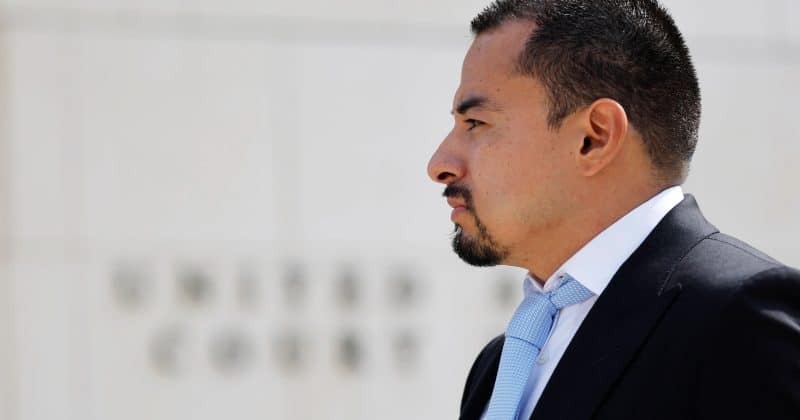
Goliath Ventures CEO Christopher Delgado pleads guilty to $250M Ponzi scheme
The Orlando-based firm raised up to $400M from over 1,000 investors by promising crypto liquidity pool returns that never existed
Christopher Alexander Delgado, the 34-year-old CEO of Goliath Ventures, has pleaded guilty to conspiracy to commit wire fraud, wire fraud, and money laundering in connection with one of the more brazen crypto fraud cases in recent memory. His firm raised somewhere between $328 million and $400 million from over 1,000 investors, promised them monthly returns of 3 to 8 percent through crypto liquidity pools and DeFi strategies, and actually invested roughly $1 million of it. The rest went to mansions, Lamborghinis, Rolexes, and lavish corporate events.
Delgado admitted in his plea agreement to being responsible for approximately $250 million in investor losses. He was arrested on February 24, 2026, and his guilty plea came in late June 2026. He now faces a potential sentence ranging from 20 to 50 years.
How the scheme worked
Goliath Ventures, formerly known as Gen-Z Venture Firm, operated out of downtown Orlando, Florida. The firm marketed itself as providing access to crypto and Bitcoin mining opportunities, with its pitch centered on so-called “liquidity pool” investing.
In English: a liquidity pool is a real DeFi mechanism where investors deposit assets into a smart contract to facilitate trading on decentralized exchanges, earning a cut of transaction fees in return. It is a legitimate strategy with genuine yield potential, which is precisely what made it a convincing vehicle for fraud.
The reality at Goliath Ventures was considerably less sophisticated. Of the hundreds of millions raised, only approximately $1 million was ever deployed into actual liquidity pools. The operation was a textbook Ponzi structure: early investors got paid using money from newer investors, which kept the illusion of returns alive long enough to keep the fundraising going.
The scheme ran from January 2023 to January 2026, a three-year window during which Delgado and his associates funneled investor capital into personal enrichment. Federal prosecutors are pursuing civil forfeiture of eight properties, 11 vehicles, and a collection of luxury goods tied to the proceeds of the fraud.
The news moving money, markets, and the world—before your day starts.
Daily. Free. Join 34,000+ readers across crypto, finance, and policy.
The anatomy of a crypto fraud playbook
The Goliath Ventures case did not emerge in a vacuum. Research into the scheme points to potential connections with the My Liquidity Partner scheme from 2022, suggesting Delgado may have been studying or participating in a related network of crypto fraud before launching his own operation.
What makes this case notable is the scale. Raising between $328 million and $400 million from over 1,000 investors in a scheme of this nature requires genuine sales infrastructure, not just one charismatic founder working a phone. The firm had a physical address in downtown Orlando, a rebranded corporate identity, and enough organizational capacity to run for three years before federal investigators caught up with it.
The gap between what was promised and what was delivered is also striking even by Ponzi standards. When Bernie Madoff ran his operation, he at least constructed elaborate paper trails of fake trades. Delgado’s firm apparently invested about a quarter of one percent of total funds raised into the actual strategy being sold to investors.
What this means for crypto investors
For anyone holding a position in legitimate DeFi protocols or considering liquidity pool investments, the Goliath Ventures case is less a warning about DeFi itself and more a warning about the gap between a firm’s marketing and its actual on-chain activity.
That gap is, in theory, auditable. Blockchain transactions are public. A firm claiming to generate returns from liquidity pools should be able to demonstrate wallet addresses, transaction histories, and verifiable on-chain positions. The fact that Goliath Ventures apparently never faced serious investor demands for that kind of verification is a data point about investor behavior, not just fraudster behavior.
For retail investors, the calculus is simpler. Monthly return promises of 3 to 8 percent imply annual yields of 36 to 96 percent. That range sits somewhere between “implausible” and “historically unprecedented for any legitimate asset class over a sustained period.” When a firm is offering those numbers and declining to show verifiable on-chain proof, the absence of evidence is evidence of absence.
Delgado’s sentencing will be watched by prosecutors and defense attorneys across the country who are tracking how federal courts are treating large-scale crypto fraud. A sentence at the upper end of the 20 to 50 year range would signal that judges are treating crypto Ponzi schemes with the same severity as traditional securities fraud at comparable dollar amounts. That precedent matters for deterrence, and for the roughly 1,000 investors still waiting to find out how much, if anything, they will recover from the forfeiture of eight properties and eleven vehicles.