
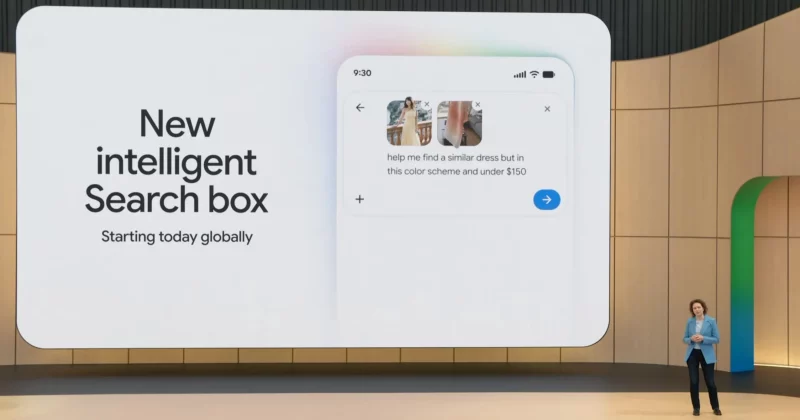
Google to enhance search with AI-powered personalized answers
Google's AI Mode replaces the classic list of blue links with conversational, context-aware responses, and the implications for web traffic are staggering.
Google is preparing to fundamentally change what happens when you type a question into a search bar. Instead of the familiar wall of blue links, users will increasingly get synthesized, conversational answers generated by AI, personalized to their lives using data from Gmail, Google Photos, and Calendar.
The feature, called AI Mode, is powered by Google’s Gemini AI models and represents the company’s most aggressive bet yet that the future of search looks less like a library index and more like a conversation with a very well-informed assistant.
What AI Mode actually does
The system incorporates what Google calls “Personal Intelligence” features. That means it can pull context from your Gmail inbox, your photo library, and your calendar to tailor responses specifically to you. Ask about your upcoming trip, and it might reference the hotel confirmation sitting in your email.
Users can still ask follow-up questions in a conversational thread, and the interface embeds web links for anyone who wants to dig deeper. For those who prefer the old way, a “Web” filter or custom browser shortcuts let you revert to classic link-only results.
The zero-click problem is getting worse
The most striking data point in all of this comes from Semrush research conducted in 2025. Up to 93% of queries handled through AI Mode result in zero clicks to external websites.
The news moving money, markets, and the world—before your day starts.
Daily. Free. Join 34,000+ readers across crypto, finance, and policy.
This isn’t entirely new territory. Google’s AI Overviews, which began rolling out more broadly in 2024, already started chipping away at click-through rates by placing AI-generated summaries at the top of search results. AI Mode, announced at Google I/O in May 2026 and integrating Gemini 3.5 Flash, is the logical next step.
Why this matters for investors and the digital economy
Look at it from a publisher’s perspective. Content creators invest heavily in producing articles, guides, reviews, and analysis with the expectation that Google will send traffic their way. That traffic converts into ad impressions, subscriptions, and sales. When 93% of AI Mode queries end without a click, the economic model that sustains much of the open web starts to look fragile.
The advertising revenue model itself faces an interesting tension. Google makes money from ads displayed alongside search results. If AI Mode reduces the need for users to browse multiple pages, ad placements may need to migrate into the AI-generated answers themselves.