
Nexo Earn with Nexo
Haiti’s World Cup qualification brings rare joy to a nation torn apart by violence

Haiti’s World Cup qualification brings rare joy to a nation torn apart by violence

Les Grenadiers ended a 52-year World Cup drought, delivering a moment of collective pride to citizens living through gang warfare and mass displacement.

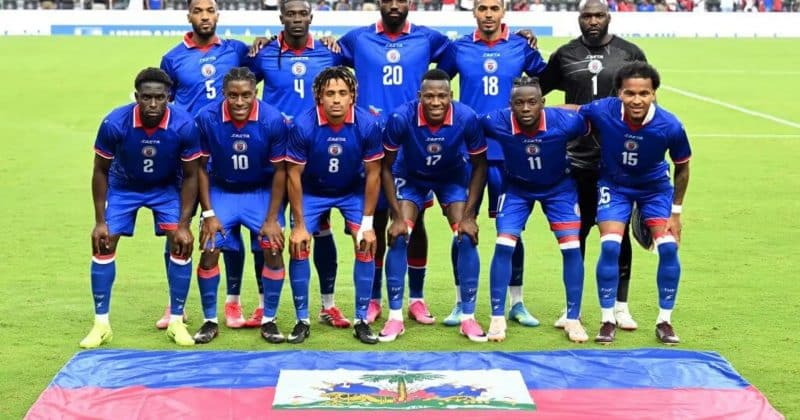
For the first time since 1974, Haiti is going to the World Cup. The men’s national team, known as Les Grenadiers, punched their ticket to the 2026 FIFA World Cup with a 2-0 victory over Nicaragua, ending a drought that stretched more than half a century.

That’s 52 years between appearances. To put that in perspective, the last time Haiti played on football’s biggest stage, Richard Nixon was still president.

A moment of light in overwhelming darkness

The qualification landed differently for Roobens Michel than it might for fans in countries where football is a pleasant weekend distraction. Michel was forcibly displaced from his neighborhood in Solino in November 2024, driven out by the gang violence that has consumed large swaths of Port-au-Prince. He watched the qualifying matches from a KID displacement camp in the Haitian capital.

Advertisement

He described feeling joy. Not cautious optimism, not temporary distraction. Joy. The kind that’s nearly impossible to manufacture when you’ve lost your home to armed groups and your daily reality involves navigating one of the most dangerous cities in the Western Hemisphere.

What happens next on the pitch

Les Grenadiers drew Group C for the 2026 tournament. Their opening match is against Scotland on June 13, 2026. After that come Brazil and Morocco.

Coach Sébastien Migné is not treating the World Cup as a victory lap, though. He’s framing it as the beginning of something, not the culmination.

“We are not at the World Cup to make up the numbers.”

The squad includes center-back Hannes Delcroix and forward Duckens Nazon, both of whom have been central figures in the team’s resurgence. The decisive qualifying match wasn’t even played on Haitian soil. It was held in Curaçao, because the security situation at home made hosting impossible.

Why this matters beyond football

Haiti has been spiraling through overlapping crises for years. The earthquake in 2010. The assassination of President Jovenel Moïse in 2021. The escalating gang warfare that has turned Port-au-Prince into something resembling a failed state. Each crisis compounds the last, eroding the sense that Haiti exists as a functioning nation rather than a collection of survival stories.

The World Cup qualification gives people like Roobens Michel, sitting in a displacement camp, a reason to feel connected to something larger than their immediate suffering. That has real psychological value, even if it doesn’t show up in economic indicators or security assessments.

Disclosure: This article was edited by Editorial Team. For more information on how we create and review content, see our Editorial Policy.

Haiti’s World Cup qualification brings rare joy to a nation torn apart by violence

Haiti’s World Cup qualification brings rare joy to a nation torn apart by violence

Les Grenadiers ended a 52-year World Cup drought, delivering a moment of collective pride to citizens living through gang warfare and mass displacement.

For the first time since 1974, Haiti is going to the World Cup. The men’s national team, known as Les Grenadiers, punched their ticket to the 2026 FIFA World Cup with a 2-0 victory over Nicaragua, ending a drought that stretched more than half a century.

That’s 52 years between appearances. To put that in perspective, the last time Haiti played on football’s biggest stage, Richard Nixon was still president.

A moment of light in overwhelming darkness

The qualification landed differently for Roobens Michel than it might for fans in countries where football is a pleasant weekend distraction. Michel was forcibly displaced from his neighborhood in Solino in November 2024, driven out by the gang violence that has consumed large swaths of Port-au-Prince. He watched the qualifying matches from a KID displacement camp in the Haitian capital.

Advertisement

He described feeling joy. Not cautious optimism, not temporary distraction. Joy. The kind that’s nearly impossible to manufacture when you’ve lost your home to armed groups and your daily reality involves navigating one of the most dangerous cities in the Western Hemisphere.

What happens next on the pitch

Les Grenadiers drew Group C for the 2026 tournament. Their opening match is against Scotland on June 13, 2026. After that come Brazil and Morocco.

Coach Sébastien Migné is not treating the World Cup as a victory lap, though. He’s framing it as the beginning of something, not the culmination.

“We are not at the World Cup to make up the numbers.”

The squad includes center-back Hannes Delcroix and forward Duckens Nazon, both of whom have been central figures in the team’s resurgence. The decisive qualifying match wasn’t even played on Haitian soil. It was held in Curaçao, because the security situation at home made hosting impossible.

Why this matters beyond football

Haiti has been spiraling through overlapping crises for years. The earthquake in 2010. The assassination of President Jovenel Moïse in 2021. The escalating gang warfare that has turned Port-au-Prince into something resembling a failed state. Each crisis compounds the last, eroding the sense that Haiti exists as a functioning nation rather than a collection of survival stories.

The World Cup qualification gives people like Roobens Michel, sitting in a displacement camp, a reason to feel connected to something larger than their immediate suffering. That has real psychological value, even if it doesn’t show up in economic indicators or security assessments.

Disclosure: This article was edited by Editorial Team. For more information on how we create and review content, see our Editorial Policy.