
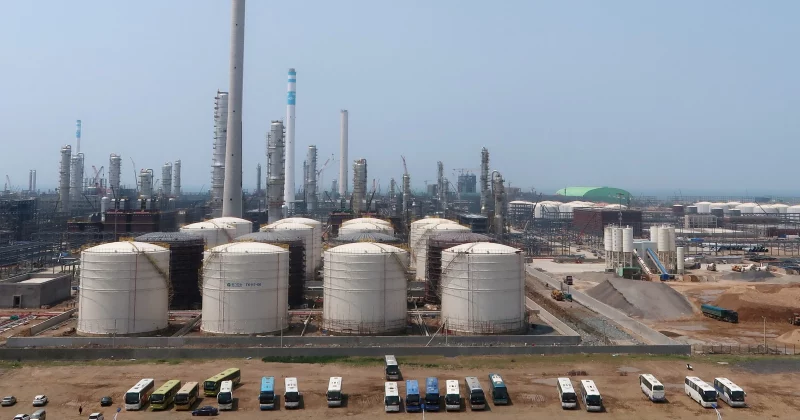
Hengli Group faces US sanctions over Iranian oil purchases, sending shockwaves through energy and prediction markets
The US Treasury sanctioned one of China's largest independent refiners for allegedly purchasing over five million barrels of Iranian crude, triggering a 10% stock plunge and a diplomatic standoff with Beijing.
The US Treasury just took a sledgehammer to one of China’s biggest independent oil refiners. On April 24, the Office of Foreign Assets Control (OFAC) sanctioned Hengli Petrochemical (Dalian) Refinery Co., Ltd. for purchasing what it calls “substantial amounts” of Iranian crude oil, a trade allegedly stretching back to at least 2023.
The sanctions didn’t stop at Hengli. Nearly 40 shipping firms and vessels connected to Iran’s shadow oil shipping network were also designated, in what amounts to a broad assault on the clandestine supply chain keeping Iranian petroleum revenue flowing.
What happened and why it matters
Hengli Petrochemical (Dalian) is China’s second-largest “teapot” refinery, an industry term for independent refiners that operate outside of China’s state-owned oil giants. The facility processes roughly 400,000 barrels per day, making it a serious player in Asian energy markets.
According to US officials, Hengli received over five million barrels of Iranian crude delivered by shadow-fleet vessels since 2023. That oil allegedly generated hundreds of millions of dollars for Iran’s Armed Forces General Staff through an entity called Sepehr Energy.
The sanctions were issued under Executive Order 13902, which targets Iran’s petroleum sector.
Hengli’s Shanghai-listed parent company publicly denied any involvement with Iranian oil. Shares dropped by as much as 10% in the immediate aftermath of the announcement.
The news moving money, markets, and the world—before your day starts.
Daily. Free. Join 34,000+ readers across crypto, finance, and policy.
A US general license allows limited wind-down transactions involving the sanctioned entity until May 24, 2026.
Beijing fires back
China’s Ministry of Commerce issued a blocking injunction, a legal mechanism designed to prevent Chinese companies from complying with foreign sanctions. The injunction covers multiple refiners, including Hengli.
The practical effect is a legal tug-of-war: Hengli now faces contradictory demands from two governments, with Washington saying “stop” and Beijing saying “don’t you dare stop.”
What this means for crypto and prediction markets
Prediction markets, particularly Polymarket, saw considerable fluctuations in odds tied to geopolitical outcomes following the sanctions announcement. No digital assets were directly implicated in the Hengli sanctions.
The 30-day wind-down window ending May 24 is the immediate date to watch. After that, any entity touching Hengli’s sanctioned operations risks secondary sanctions exposure. For exchanges and payment processors operating in Asia, that means updating compliance screening to reflect the new designations.