
Nexo Earn with Nexo
California regulators shut down Hermes Bitcoin ATMs over 14,000 violations

California regulators shut down Hermes Bitcoin ATMs over 14,000 violations

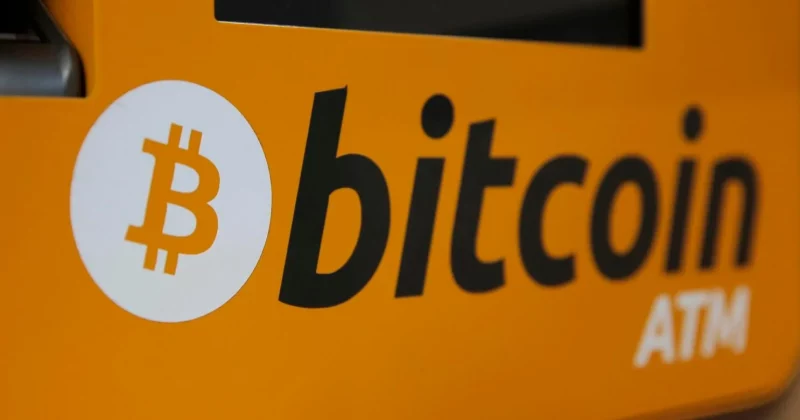
The operator behind 42 crypto kiosks across Southern California is permanently banned from digital asset business in the state after racking up a staggering number of compliance failures.

California’s Department of Financial Protection and Innovation (DFPI) has ordered Hermes Bitcoin to shut down all 42 of its digital asset kiosks across Southern California and permanently banned the company from operating any digital financial asset business in the state.

The reason: more than 14,120 instances of missing or improper receipts and disclosures since January 1, 2024, fees that exceeded the legal maximum, and anti-money laundering failures.

What Hermes Bitcoin actually did wrong

The company behind the kiosks, Anh Management, LLC, doing business as Hermes Bitcoin, ran afoul of California’s Digital Financial Assets Law (DFAL) in nearly every way possible.

Since January 1, 2025, Hermes Bitcoin processed 3,006 transactions that violated state regulations. Going back to January 1, 2024, regulators documented over 14,120 separate instances where the company failed to provide proper receipts or pre-transaction disclosures to customers.

Advertisement

Hermes Bitcoin charged customers more than the legal maximum allowed under DFAL. On top of the fee violations and disclosure failures, the company also breached transaction limits established under state law and failed to adequately collect customer identification information required for anti-money laundering compliance.

The enforcement timeline tells a story

In September and October of 2025, the DFPI issued desist-and-refrain orders against both Hermes Bitcoin and an associated entity called Coin Time LLC. Those earlier actions targeted similar compliance failures involving thousands of transactions and sought restitution for customers who had been overcharged.

The settlement now requires all 42 kiosks to go dark by May 20, 2026. It permanently prohibits Hermes Bitcoin from engaging in any digital financial asset business activities within California.

California’s broader crypto kiosk crackdown

California’s Digital Financial Assets Law created a formal oversight framework for digital asset kiosk operators that includes mandatory licensing, transaction limits, fee caps, and comprehensive disclosure requirements. Under DFAL, fees are limited to no more than the greater of $5 or 15% of the transaction amount, with a transaction limit of $1,000 per day per person.

The DFPI’s prior enforcement actions in 2025 targeted operators both local and from other states, suggesting a systematic approach rather than one-off penalties.

What this means for investors and the crypto kiosk industry

The immediate impact on crypto markets is negligible. No specific tokens are affected, and 42 kiosks in Southern California represent a tiny fraction of the national Bitcoin ATM footprint.

For operators of crypto kiosks, the Hermes Bitcoin case illustrates what happens when regulators determine an operator is not taking compliance seriously. Over 14,000 disclosure violations and thousands of non-compliant transactions accumulated because the systems and processes to prevent them either didn’t exist or weren’t being followed.

Disclosure: This article was edited by Editorial Team. For more information on how we create and review content, see our Editorial Policy.

California regulators shut down Hermes Bitcoin ATMs over 14,000 violations

California regulators shut down Hermes Bitcoin ATMs over 14,000 violations

The operator behind 42 crypto kiosks across Southern California is permanently banned from digital asset business in the state after racking up a staggering number of compliance failures.

California’s Department of Financial Protection and Innovation (DFPI) has ordered Hermes Bitcoin to shut down all 42 of its digital asset kiosks across Southern California and permanently banned the company from operating any digital financial asset business in the state.

The reason: more than 14,120 instances of missing or improper receipts and disclosures since January 1, 2024, fees that exceeded the legal maximum, and anti-money laundering failures.

What Hermes Bitcoin actually did wrong

The company behind the kiosks, Anh Management, LLC, doing business as Hermes Bitcoin, ran afoul of California’s Digital Financial Assets Law (DFAL) in nearly every way possible.

Since January 1, 2025, Hermes Bitcoin processed 3,006 transactions that violated state regulations. Going back to January 1, 2024, regulators documented over 14,120 separate instances where the company failed to provide proper receipts or pre-transaction disclosures to customers.

Advertisement

Hermes Bitcoin charged customers more than the legal maximum allowed under DFAL. On top of the fee violations and disclosure failures, the company also breached transaction limits established under state law and failed to adequately collect customer identification information required for anti-money laundering compliance.

The enforcement timeline tells a story

In September and October of 2025, the DFPI issued desist-and-refrain orders against both Hermes Bitcoin and an associated entity called Coin Time LLC. Those earlier actions targeted similar compliance failures involving thousands of transactions and sought restitution for customers who had been overcharged.

The settlement now requires all 42 kiosks to go dark by May 20, 2026. It permanently prohibits Hermes Bitcoin from engaging in any digital financial asset business activities within California.

California’s broader crypto kiosk crackdown

California’s Digital Financial Assets Law created a formal oversight framework for digital asset kiosk operators that includes mandatory licensing, transaction limits, fee caps, and comprehensive disclosure requirements. Under DFAL, fees are limited to no more than the greater of $5 or 15% of the transaction amount, with a transaction limit of $1,000 per day per person.

The DFPI’s prior enforcement actions in 2025 targeted operators both local and from other states, suggesting a systematic approach rather than one-off penalties.

What this means for investors and the crypto kiosk industry

The immediate impact on crypto markets is negligible. No specific tokens are affected, and 42 kiosks in Southern California represent a tiny fraction of the national Bitcoin ATM footprint.

For operators of crypto kiosks, the Hermes Bitcoin case illustrates what happens when regulators determine an operator is not taking compliance seriously. Over 14,000 disclosure violations and thousands of non-compliant transactions accumulated because the systems and processes to prevent them either didn’t exist or weren’t being followed.

Disclosure: This article was edited by Editorial Team. For more information on how we create and review content, see our Editorial Policy.