
https://www.euronews.com/video/2026/06/19/timelapse-video-shows-ships-moving-through-the-strait-of-hormuz-since-reopening
Hormuz ship traffic climbs after US-Iran war deal
Strait of Hormuz traffic normalization
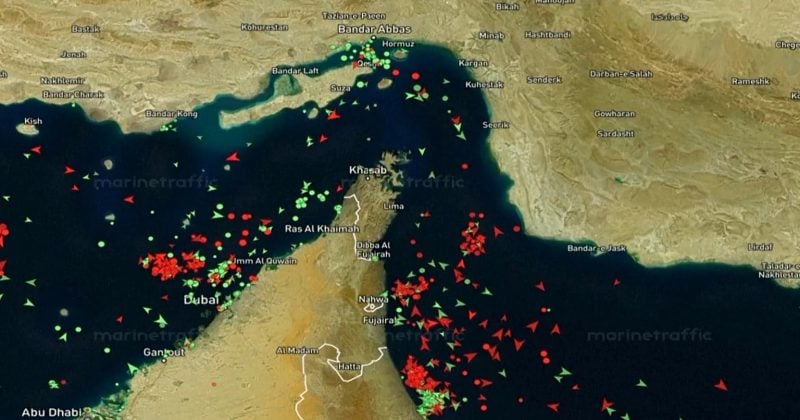
Shipping traffic through the Strait of Hormuz has surged to its highest level in two months following a war deal between the U.S. and Iran, according to maritime tracking data. The latest figures from AXSMarine reveal that 25 commercial vessels traversed the strait on Thursday, marking a significant increase from the average of just over seven ships per day since early March. This rise in traffic is seen as a direct result of the recent agreement to halt hostilities, which has allowed the critical maritime trade route to reopen.
The Strait of Hormuz is a vital chokepoint for global energy exports, and the recent uptick in ship movements reflects a decrease in immediate wartime disruptions. However, the ceasefire agreement remains fragile, with key negotiations yet to take place. Market activity suggests participants view the traffic increase as supportive of YES outcomes in related prediction markets, indicating a cautious optimism about a return to normalcy.
Key Takeaways
- Shipping through the Strait of Hormuz has significantly increased following a U.S.-Iran war deal, suggesting reduced wartime disruption.
- The current ceasefire has led to a reopening of the strait, but details of the agreement remain unsettled, impacting market confidence.
- Prediction markets are pricing in a potential return to normalcy, with increased probabilities for scenarios where traffic normalizes by mid-July.
What to Watch
Watch for announcements from the International Monetary Fund’s PortWatch team regarding traffic normalization metrics. Key indicators include the 7-day moving average reaching the target threshold, which would suggest a sustained recovery in shipping activity. Additionally, updates on further U.S.-Iran negotiations could influence market expectations and pricing in scenarios where traffic returns to pre-crisis levels. Market participants will also monitor reports on maritime security and insurer actions, as these could affect the perceived stability of the newly reopened route.
Get live prediction-market analysis, powered by Vera. Sign up for Vera.