
https://www.foxnews.com/politics/irans-biggest-weapon-against-us-may-slipping-away-experts-say
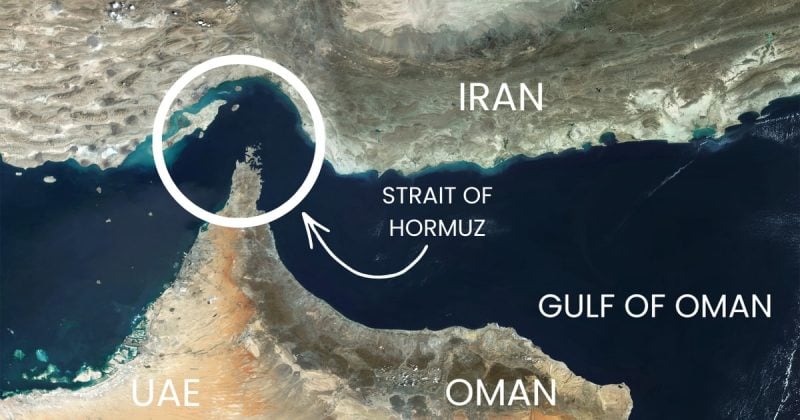
Hormuz traffic hits multi-week low amid renewed US-Iran military strikes
Fall of the Iranian regime
Recent military actions between the United States and Iran have led to a significant decrease in commercial traffic through the Strait of Hormuz, reaching its lowest level in weeks. The slowdown follows renewed US military strikes on Iran, which were in response to Iranian missile attacks on commercial vessels. These developments have raised safety concerns, as the situation reflects an escalation beyond the previously agreed ceasefire. The conflict, part of the ongoing 2026 Iran War, has seen both countries intensifying their military actions, affecting global oil supply given the strategic importance of the Strait of Hormuz.
Key Takeaways
- The slowdown in Hormuz traffic appears to result from heightened safety risks due to renewed US-Iran military strikes, suggesting increased tensions.
- Market pricing suggests a potential rise in the likelihood of regime change in Iran, with the probability of a fall in the Iranian regime by 2027 slightly increasing.
- The chances of Iran imposing transit fees in the Strait of Hormuz by July 15 appear to have decreased significantly, with market odds reflecting a decline.
What to Watch
Observers should monitor any official announcements from the Iranian government or the IRGC regarding the status of the Strait of Hormuz and potential fee implementations. Developments in US-Iran relations, particularly any further military engagements or diplomatic negotiations, could influence market perceptions of regime stability and the likelihood of reopening the strait. Additionally, actions by key stakeholders, such as the IRGC or Iranian lawmakers, will be critical in shaping future outcomes related to the conflict and its impact on global trade.