
House votes to end Iran war, rebuking Trump in bipartisan move
Four Republicans crossed party lines to pass the war powers resolution 215-208, forcing a withdrawal timeline unless Congress authorizes further military action.
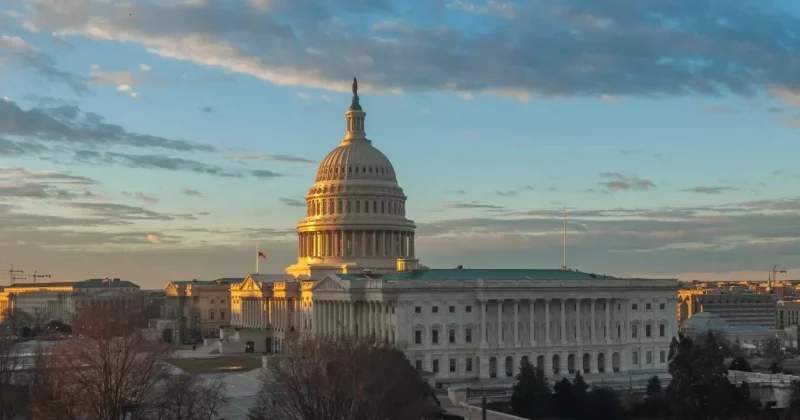
The US House of Representatives voted 215-208 on June 3 to pass a war powers resolution that would compel President Donald Trump to pull American forces out of hostilities with Iran. Four Republican members broke ranks to side with Democrats, turning what was expected to be a party-line showdown into something more uncomfortable for the White House.
The vote and the defectors
The four Republicans who crossed the aisle were Thomas Massie of Kentucky, Brian Fitzpatrick of Pennsylvania, Warren Davidson of Ohio, and Tom Barrett of Michigan.
This vote almost didn’t happen. Back in May, House Republican leadership canceled a scheduled vote on the resolution specifically because they feared they didn’t have the numbers to defeat it.
The Senate had already passed its own version of the war powers resolution on May 19, clearing that chamber 50-47.
A four-month war and a $25 billion bill
The Iran conflict has cost the US over $25 billion in roughly four months. US military casualties have added a deeply personal dimension to what might otherwise be an abstract policy debate.
The news moving money, markets, and the world—before your day starts.
Daily. Free. Join 34,000+ readers across crypto, finance, and policy.
The War Powers Resolution, originally passed in 1973, requires presidents to notify Congress within 48 hours of committing armed forces to military action and limits deployments to 60 days without congressional authorization, plus a 30-day withdrawal period.
What this means for crypto investors
Bitcoin reclaimed levels above $77K in May following the Senate’s passage of its war powers resolution. Falling oil prices, which have tracked inversely with legislative progress on the resolution, benefit the broader risk environment that crypto thrives in.
Even if both chambers have now passed resolutions, the president retains the option to veto. Overriding a veto would require two-thirds majorities in both chambers. The 215-208 House vote and the 50-47 Senate vote are both well short of veto-proof territory.
With Warren Davidson, one of the most vocal crypto advocates in Congress, among the four Republican defectors, the vote also carries a symbolic weight for the digital asset industry.