
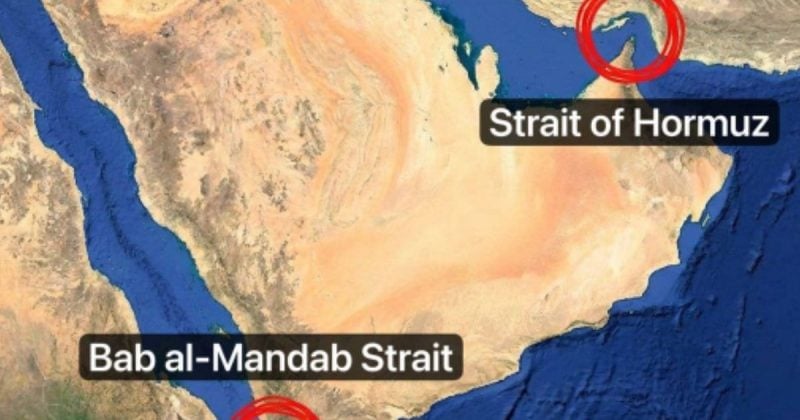
Houthis close Bab el-Mandeb Strait, threatening 60% of Middle East oil exports

https://sundayguardianlive.com/world/why-bab-el-mandeb-strait-matters-iran-threats-possible-blockage-of-worlds-4th-largest-oil-route-after-strait-of-hormuz-if-us-escalates-strikes-know-distance-length-width-who-controls-this-strait-179264/

Houthis close Bab el-Mandeb Strait, threatening 60% of Middle East oil exports

Bab el-Mandeb strait closure

The Houthis have escalated tensions by closing the Bab el-Mandeb Strait, a critical maritime chokepoint, effectively threatening 60% of Middle East oil exports. This development comes amidst heightened hostilities involving the Iran–US–Israel conflict, where the IRGC has also closed the Strait of Hormuz, further exacerbating the situation. The IRGC warned vessels to avoid the area before striking two ships, underscoring the gravity of the situation and the potential for significant disruptions to global oil supplies.

The Bab el-Mandeb Strait, controlled by the Houthis since 2023, is a strategic passage for energy exports. The closure of this route, along with the Strait of Hormuz, poses a dual threat to global seaborne oil and gas transport, which could lead to major supply chain disruptions and significant economic repercussions. Market participants appear to interpret these events as increasing the likelihood of an effective closure of the Bab el-Mandeb Strait by September 30, as reflected in the recent rise in market pricing for this outcome.

Advertisement

Currently, the market for whether the Bab el-Mandeb Strait will be effectively closed by September 30 shows an 18.5% probability of a YES outcome, up from 8% a week ago. This increase suggests that participants view the current geopolitical tensions and military actions in the region as consistent with a scenario where the strait remains closed.

Key Takeaways

  • Market pricing suggests increased likelihood of Bab el-Mandeb Strait closure, with YES probability rising to 18.5%.
  • The dual closure of both the Bab el-Mandeb and Hormuz straits indicates a significant threat to global oil supply routes.
  • The situation reflects heightened geopolitical tensions with potential for further escalation affecting international energy markets.

What to Watch

Observers should monitor the actions of key actors, including Houthi Leader Abdul-Malik al-Houthi and the IRGC, for further indications of military and strategic maneuvers. Developments such as US naval responses or diplomatic interventions could alter current market perceptions. Additionally, reports from maritime traffic sources and satellite imagery will be crucial in assessing the extent of disruptions and potential reopening of the strait. The situation remains fluid, with potential for rapid changes influencing market dynamics.

Get live prediction-market analysis, powered by Vera. Sign up for Vera.

Disclosure: This article was edited by Estefano Gomez. For more information on how we create and review content, see our Editorial Policy.

Houthis close Bab el-Mandeb Strait, threatening 60% of Middle East oil exports

Houthis close Bab el-Mandeb Strait, threatening 60% of Middle East oil exports

Bab el-Mandeb strait closure

https://sundayguardianlive.com/world/why-bab-el-mandeb-strait-matters-iran-threats-possible-blockage-of-worlds-4th-largest-oil-route-after-strait-of-hormuz-if-us-escalates-strikes-know-distance-length-width-who-controls-this-strait-179264/

The Houthis have escalated tensions by closing the Bab el-Mandeb Strait, a critical maritime chokepoint, effectively threatening 60% of Middle East oil exports. This development comes amidst heightened hostilities involving the Iran–US–Israel conflict, where the IRGC has also closed the Strait of Hormuz, further exacerbating the situation. The IRGC warned vessels to avoid the area before striking two ships, underscoring the gravity of the situation and the potential for significant disruptions to global oil supplies.

The Bab el-Mandeb Strait, controlled by the Houthis since 2023, is a strategic passage for energy exports. The closure of this route, along with the Strait of Hormuz, poses a dual threat to global seaborne oil and gas transport, which could lead to major supply chain disruptions and significant economic repercussions. Market participants appear to interpret these events as increasing the likelihood of an effective closure of the Bab el-Mandeb Strait by September 30, as reflected in the recent rise in market pricing for this outcome.

Advertisement

Currently, the market for whether the Bab el-Mandeb Strait will be effectively closed by September 30 shows an 18.5% probability of a YES outcome, up from 8% a week ago. This increase suggests that participants view the current geopolitical tensions and military actions in the region as consistent with a scenario where the strait remains closed.

Key Takeaways

  • Market pricing suggests increased likelihood of Bab el-Mandeb Strait closure, with YES probability rising to 18.5%.
  • The dual closure of both the Bab el-Mandeb and Hormuz straits indicates a significant threat to global oil supply routes.
  • The situation reflects heightened geopolitical tensions with potential for further escalation affecting international energy markets.

What to Watch

Observers should monitor the actions of key actors, including Houthi Leader Abdul-Malik al-Houthi and the IRGC, for further indications of military and strategic maneuvers. Developments such as US naval responses or diplomatic interventions could alter current market perceptions. Additionally, reports from maritime traffic sources and satellite imagery will be crucial in assessing the extent of disruptions and potential reopening of the strait. The situation remains fluid, with potential for rapid changes influencing market dynamics.

Get live prediction-market analysis, powered by Vera. Sign up for Vera.

Disclosure: This article was edited by Estefano Gomez. For more information on how we create and review content, see our Editorial Policy.