
Houthis impose partial blockade of Red Sea, threatening global oil shipping routes
Yemen's Iran-aligned militia targets Israeli-linked vessels through the Bab el-Mandeb Strait, adding pressure to already strained global energy supply chains
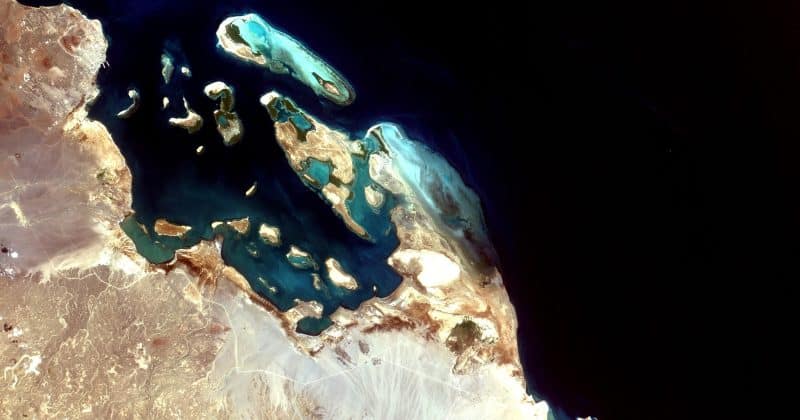
The Houthi militia just made the global shipping crisis considerably worse. On June 8, Yemen’s Iran-aligned group announced an immediate partial naval blockade targeting Israeli-linked vessels in the Red Sea, specifically through the Bab el-Mandeb Strait, one of the most important maritime chokepoints on the planet.
The Bab el-Mandeb Strait connects the Red Sea to the Gulf of Aden. Previous Houthi attacks between 2023 and 2025 slashed daily tanker traffic through the strait by more than 50%. Those earlier campaigns forced the global shipping industry into an extended, expensive game of avoidance, with vessels rerouting thousands of nautical miles to dodge the threat.
Major shipping companies, including Maersk and Hapag-Lloyd, had already begun rerouting vessels around the Cape of Good Hope due to ongoing regional threats. That detour tacks on approximately ten days to voyage times and inflates operational costs significantly.
Two chokepoints, one problem
The Strait of Hormuz, which sits at the other end of the Arabian Peninsula and serves as the gateway for a massive share of global oil exports, has faced its own disruptions since late February 2026. Iran’s effective blockade of that passage means two of the world’s most important energy transit routes are simultaneously compromised.
The timing of the Houthi announcement coincides with renewed tensions between Iran and Israel, suggesting a coordinated escalation strategy. The Houthis have long served as an Iranian proxy force, and their maritime operations have historically tracked with broader regional conflict dynamics.
What this means for markets and crypto
The immediate market implications center on energy prices and shipping costs. The Bab el-Mandeb Strait handles approximately 7-10% of the world’s oil supply along with substantial liquefied natural gas shipments. The 2023-2025 Houthi campaign provided a preview: extended rerouting drove up freight rates, contributed to energy price volatility, and added inflationary pressure across multiple sectors.
No cryptocurrencies, tokens, or digital assets were referenced in connection with the blockade announcement itself. However, the Houthis have previously utilized cryptocurrencies for evading sanctions, a pattern flagged by the US Treasury. If this blockade triggers a new round of sanctions enforcement or designations, scrutiny on crypto-based sanctions evasion could intensify.