
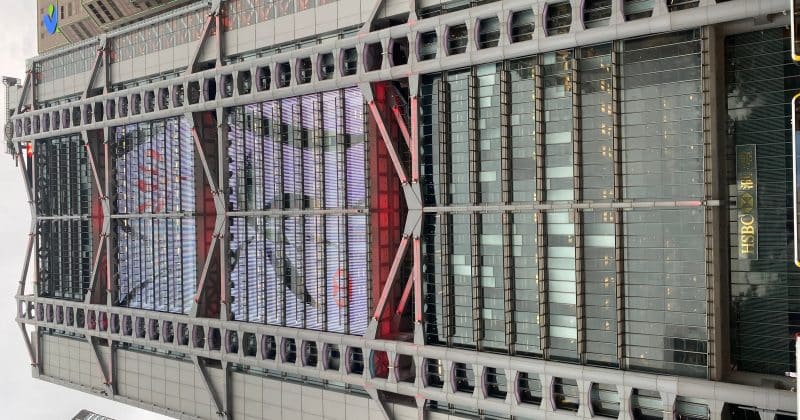
HSBC embroiled in $330M embezzlement scandal after ignoring compliance alerts for over a decade

HSBC embroiled in $330M embezzlement scandal after ignoring compliance alerts for over a decade

French prosecutors charged HSBC's Swiss private banking arm with organized money laundering tied to alleged embezzlement from Lebanon's central bank

HSBC Private Bank Suisse has been formally charged with organized money laundering and conspiracy in connection with roughly $330 million allegedly siphoned from Lebanon’s central bank. The charges, filed by French financial prosecutors on June 4, represent one of the more damning indictments of compliance failure at a major global bank in recent memory.

The core allegation is straightforward in its audacity. Former Lebanese central bank governor Riad Salameh and his brother Raja allegedly embezzled approximately $330 million, equivalent to around €283 million, from the institution between 2002 and 2015. HSBC’s Swiss arm reportedly facilitated the scheme despite receiving roughly 300 internal compliance alerts over a 14-year stretch flagging the suspicious activity.

How the scheme allegedly worked

The investigation uncovered a layered financial arrangement designed to obscure the money trail. Commissions from Lebanese commercial banks, tied to financial products issued by the central bank, were reportedly funneled through an offshore entity called Forry Associates Ltd. That company was covertly owned by Raja Salameh, the former governor’s brother.

Advertisement

The bank has been ordered to post €80 million in bail following the charges. The charges against HSBC include organized money laundering and conspiracy to commit multiple offenses, specifically embezzlement of public funds and bribery of a public official.

Years of warnings, years of inaction

The alleged embezzlement ran from 2002 to 2015. Over that period, internal compliance systems at HSBC’s Swiss unit generated approximately 300 alerts about dubious transactions connected to the scheme. Around 20 of those compliance warnings were reportedly ignored before anyone bothered to escalate the matter.

The legal proceedings trace back to 2021, when anti-corruption organization Sherpa, along with collectives representing Lebanese victims, filed formal complaints. Swiss authorities have been running parallel investigations since the 2020-2021 period. Riad Salameh himself faces separate charges for embezzlement, forgery, and money laundering in Lebanon and multiple other jurisdictions.

HSBC has been here before. The bank paid $1.9 billion in 2012 to settle US charges related to money laundering for Mexican drug cartels and sanctioned entities.

What this means for investors and the broader financial system

This case does not involve crypto, DeFi, or any digital asset. Not a single token, stablecoin, or blockchain transaction appears in the allegations. This is an old-fashioned banking scandal involving shell companies, offshore accounts, and compliance teams that apparently treated red flags like suggestions.

For investors holding HSBC equity or bonds, the €80 million bail is a manageable near-term cost. Criminal charges of this severity in a major European jurisdiction could trigger enhanced supervisory scrutiny across HSBC’s global operations.

Disclosure: This article was edited by Editorial Team. For more information on how we create and review content, see our Editorial Policy.

HSBC embroiled in $330M embezzlement scandal after ignoring compliance alerts for over a decade

HSBC embroiled in $330M embezzlement scandal after ignoring compliance alerts for over a decade

French prosecutors charged HSBC's Swiss private banking arm with organized money laundering tied to alleged embezzlement from Lebanon's central bank

HSBC Private Bank Suisse has been formally charged with organized money laundering and conspiracy in connection with roughly $330 million allegedly siphoned from Lebanon’s central bank. The charges, filed by French financial prosecutors on June 4, represent one of the more damning indictments of compliance failure at a major global bank in recent memory.

The core allegation is straightforward in its audacity. Former Lebanese central bank governor Riad Salameh and his brother Raja allegedly embezzled approximately $330 million, equivalent to around €283 million, from the institution between 2002 and 2015. HSBC’s Swiss arm reportedly facilitated the scheme despite receiving roughly 300 internal compliance alerts over a 14-year stretch flagging the suspicious activity.

How the scheme allegedly worked

The investigation uncovered a layered financial arrangement designed to obscure the money trail. Commissions from Lebanese commercial banks, tied to financial products issued by the central bank, were reportedly funneled through an offshore entity called Forry Associates Ltd. That company was covertly owned by Raja Salameh, the former governor’s brother.

Advertisement

The bank has been ordered to post €80 million in bail following the charges. The charges against HSBC include organized money laundering and conspiracy to commit multiple offenses, specifically embezzlement of public funds and bribery of a public official.

Years of warnings, years of inaction

The alleged embezzlement ran from 2002 to 2015. Over that period, internal compliance systems at HSBC’s Swiss unit generated approximately 300 alerts about dubious transactions connected to the scheme. Around 20 of those compliance warnings were reportedly ignored before anyone bothered to escalate the matter.

The legal proceedings trace back to 2021, when anti-corruption organization Sherpa, along with collectives representing Lebanese victims, filed formal complaints. Swiss authorities have been running parallel investigations since the 2020-2021 period. Riad Salameh himself faces separate charges for embezzlement, forgery, and money laundering in Lebanon and multiple other jurisdictions.

HSBC has been here before. The bank paid $1.9 billion in 2012 to settle US charges related to money laundering for Mexican drug cartels and sanctioned entities.

What this means for investors and the broader financial system

This case does not involve crypto, DeFi, or any digital asset. Not a single token, stablecoin, or blockchain transaction appears in the allegations. This is an old-fashioned banking scandal involving shell companies, offshore accounts, and compliance teams that apparently treated red flags like suggestions.

For investors holding HSBC equity or bonds, the €80 million bail is a manageable near-term cost. Criminal charges of this severity in a major European jurisdiction could trigger enhanced supervisory scrutiny across HSBC’s global operations.

Disclosure: This article was edited by Editorial Team. For more information on how we create and review content, see our Editorial Policy.