
Nexo Earn with Nexo
HSBC forecasts central banks to raise rates amid supply shocks from US-Iran conflict

HSBC forecasts central banks to raise rates amid supply shocks from US-Iran conflict

The banking giant expects the ECB, Bank of England, and several emerging market central banks to hike rates as energy-driven inflation reshapes monetary policy worldwide.

HSBC economists are warning that central banks across the globe are about to do something that most investors hoped was behind them: raise interest rates. Supply shocks from the US-Iran conflict are pushing energy prices to levels that monetary policymakers can no longer ignore.

The forecast, dated around May 18, 2026, paints a picture where rate hikes arrive even if a ceasefire materializes. The damage to global supply chains and energy markets, HSBC argues, has already been done. Inflation is sticky, and central banks have decided they’d rather fight prices than protect growth.

The oil problem nobody can wish away

Roughly a fifth of the world’s oil passes through the Strait of Hormuz. When the US-Iran conflict escalated on February 28, 2026, the threat of closures in that narrow waterway sent energy markets into a panic.

Advertisement

Brent crude temporarily spiked above $126 per barrel. Oil prices have remained elevated above $100 per barrel since the conflict intensified.

HSBC flagged this dynamic back in April 2026, warning that an extended conflict would drive global inflation higher through rising costs in energy, fertilizers, and metals.

Who’s hiking, and when

HSBC expects the European Central Bank and Bank of England to raise rates in the June-July 2026 window.

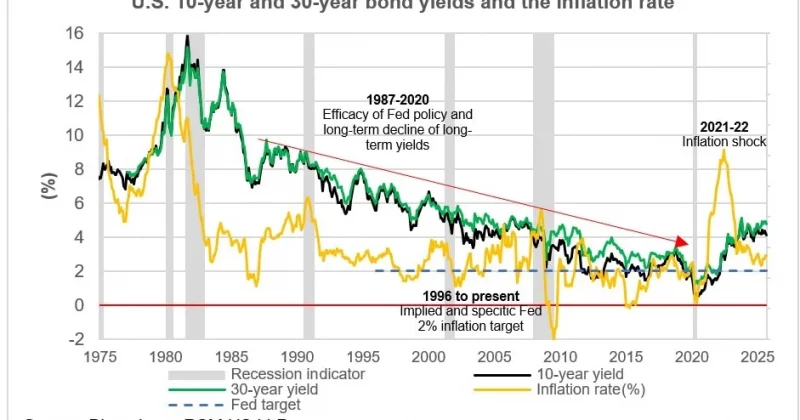
The Fed, meanwhile, is holding its rates band at 3.5%-3.75%. Its year-end inflation projection has been revised upward to 2.7% from 2.4%, signaling growing anxiety about stagflation-like conditions driven by the energy shock.

Beyond the developed world, HSBC anticipates rate increases from the Philippines, India, and Indonesia during the second half of 2026.

Disclosure: This article was edited by Editorial Team. For more information on how we create and review content, see our Editorial Policy.

HSBC forecasts central banks to raise rates amid supply shocks from US-Iran conflict

HSBC forecasts central banks to raise rates amid supply shocks from US-Iran conflict

The banking giant expects the ECB, Bank of England, and several emerging market central banks to hike rates as energy-driven inflation reshapes monetary policy worldwide.

HSBC economists are warning that central banks across the globe are about to do something that most investors hoped was behind them: raise interest rates. Supply shocks from the US-Iran conflict are pushing energy prices to levels that monetary policymakers can no longer ignore.

The forecast, dated around May 18, 2026, paints a picture where rate hikes arrive even if a ceasefire materializes. The damage to global supply chains and energy markets, HSBC argues, has already been done. Inflation is sticky, and central banks have decided they’d rather fight prices than protect growth.

The oil problem nobody can wish away

Roughly a fifth of the world’s oil passes through the Strait of Hormuz. When the US-Iran conflict escalated on February 28, 2026, the threat of closures in that narrow waterway sent energy markets into a panic.

Advertisement

Brent crude temporarily spiked above $126 per barrel. Oil prices have remained elevated above $100 per barrel since the conflict intensified.

HSBC flagged this dynamic back in April 2026, warning that an extended conflict would drive global inflation higher through rising costs in energy, fertilizers, and metals.

Who’s hiking, and when

HSBC expects the European Central Bank and Bank of England to raise rates in the June-July 2026 window.

The Fed, meanwhile, is holding its rates band at 3.5%-3.75%. Its year-end inflation projection has been revised upward to 2.7% from 2.4%, signaling growing anxiety about stagflation-like conditions driven by the energy shock.

Beyond the developed world, HSBC anticipates rate increases from the Philippines, India, and Indonesia during the second half of 2026.

Disclosure: This article was edited by Editorial Team. For more information on how we create and review content, see our Editorial Policy.