
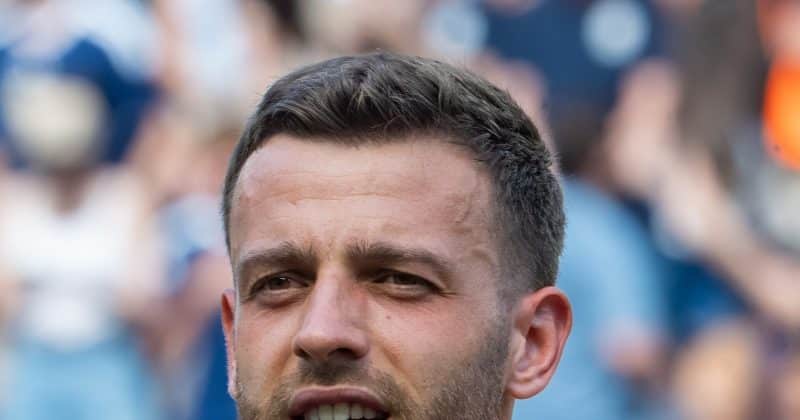
Hull City signs goalkeeper Jack Butland from Rangers in £3M deal that highlights crypto’s fading football footprint

Hull City signs goalkeeper Jack Butland from Rangers in £3M deal that highlights crypto’s fading football footprint

The goalkeeper swap between Hull City and Rangers is a purely traditional deal, underscoring how far crypto sponsorships in football have retreated since the sector's peak hype cycle.

Hull City has completed a £3M transfer for goalkeeper Jack Butland from Rangers, effective July 1, 2026. The deal is part of a broader goalkeeper swap that sends 26-year-old Croatian keeper Ivor Pandur in the opposite direction for £6M.

The deal itself

Butland, now 33, leaves Rangers after three seasons at Ibrox, where he made over 150 appearances. He originally joined the Scottish club as a free agent from Crystal Palace in the summer of 2023.

The English keeper confirmed his departure via an emotional Instagram post on June 30, 2026. Hull City gets an experienced shot-stopper. Rangers get a younger replacement in Pandur and pocket a net £3M on the swap.

Advertisement

Hull City’s complicated crypto history

Hull City is not a stranger to the digital asset world. The club previously had a shirt sponsorship deal with Tomya, a Turkish crypto exchange, that ran from 2022 to 2023. That partnership ended amid a fraud scandal involving the exchange.

There was also a failed attempt to acquire Hull City through cryptocurrency crowdfunding in 2019.

The Butland transfer is entirely traditional in its financial structure. No fan tokens facilitated the deal. No blockchain-based payment rails were used. It’s pounds sterling, bank wires, and agents.

What this means for crypto investors watching sports

Fan tokens, which were supposed to revolutionize supporter engagement, have mostly underperformed. Socios and its CHZ token generated enormous hype by signing deals with clubs like Barcelona, PSG, and Juventus. But trading volumes for most individual club tokens have thinned considerably, and the governance rights they confer remain largely symbolic.

Hull City’s trajectory is a microcosm of this broader cooling. The club went from having a crypto exchange on its shirts to completing a straightforward cash-plus-player swap with zero blockchain involvement.

Disclosure: This article was edited by Editorial Team. For more information on how we create and review content, see our Editorial Policy.

Hull City signs goalkeeper Jack Butland from Rangers in £3M deal that highlights crypto’s fading football footprint

Hull City signs goalkeeper Jack Butland from Rangers in £3M deal that highlights crypto’s fading football footprint

The goalkeeper swap between Hull City and Rangers is a purely traditional deal, underscoring how far crypto sponsorships in football have retreated since the sector's peak hype cycle.

Hull City has completed a £3M transfer for goalkeeper Jack Butland from Rangers, effective July 1, 2026. The deal is part of a broader goalkeeper swap that sends 26-year-old Croatian keeper Ivor Pandur in the opposite direction for £6M.

The deal itself

Butland, now 33, leaves Rangers after three seasons at Ibrox, where he made over 150 appearances. He originally joined the Scottish club as a free agent from Crystal Palace in the summer of 2023.

The English keeper confirmed his departure via an emotional Instagram post on June 30, 2026. Hull City gets an experienced shot-stopper. Rangers get a younger replacement in Pandur and pocket a net £3M on the swap.

Advertisement

Hull City’s complicated crypto history

Hull City is not a stranger to the digital asset world. The club previously had a shirt sponsorship deal with Tomya, a Turkish crypto exchange, that ran from 2022 to 2023. That partnership ended amid a fraud scandal involving the exchange.

There was also a failed attempt to acquire Hull City through cryptocurrency crowdfunding in 2019.

The Butland transfer is entirely traditional in its financial structure. No fan tokens facilitated the deal. No blockchain-based payment rails were used. It’s pounds sterling, bank wires, and agents.

What this means for crypto investors watching sports

Fan tokens, which were supposed to revolutionize supporter engagement, have mostly underperformed. Socios and its CHZ token generated enormous hype by signing deals with clubs like Barcelona, PSG, and Juventus. But trading volumes for most individual club tokens have thinned considerably, and the governance rights they confer remain largely symbolic.

Hull City’s trajectory is a microcosm of this broader cooling. The club went from having a crypto exchange on its shirts to completing a straightforward cash-plus-player swap with zero blockchain involvement.

Disclosure: This article was edited by Editorial Team. For more information on how we create and review content, see our Editorial Policy.