
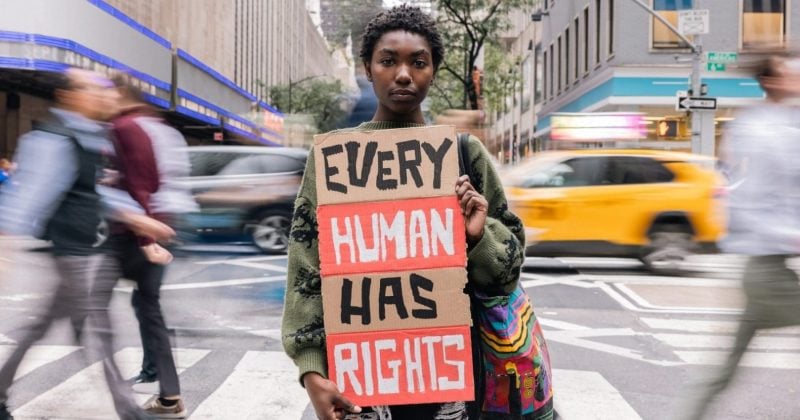
Human Rights Watch criticizes FIFA over human rights abuses at World Cup
The watchdog group is pressing FIFA on immigration enforcement, discrimination, and child safety ahead of the 2026 tournament across the US, Canada, and Mexico
Human Rights Watch is turning up the pressure on FIFA over a constellation of human rights concerns surrounding the 2026 World Cup. The global watchdog has raised alarms about discriminatory immigration policies, unsafe conditions for marginalized groups, and the absence of basic child safeguarding measures for an event that will span three countries and attract millions of visitors.
The 2026 FIFA Men’s World Cup, scheduled to run from June 11 to July 19, 2026, across the United States, Canada, and Mexico, will be the first World Cup to include formal human rights requirements in the bidding process.
Immigration enforcement takes center stage
Among HRW’s most pointed criticisms is the potential for US immigration enforcement to disrupt the tournament and endanger attendees. The organization has called for what it terms an “ICE Truce,” essentially a moratorium on immigration enforcement operations during and around World Cup events on US soil.
HRW contacted FIFA directly on May 5, 2025, laying out concerns about discriminatory immigration policies in the US and their potential impact on World Cup participants and spectators. FIFA replied on June 3, 2025, committing to work with authorities on entry rights.
HRW has also flagged risks facing LGBTQ+ individuals, journalists, and protesters attending events in the US, arguing that the current political climate creates legitimate safety concerns for these groups.
The news moving money, markets, and the world—before your day starts.
Daily. Free. Join 34,000+ readers across crypto, finance, and policy.
Lessons from Qatar, applied to North America
HRW’s extensive reporting on the 2022 Qatar World Cup documented severe abuses including extreme working conditions for migrant laborers and widespread wage theft. Those reports helped reshape the global conversation about the human cost of hosting a World Cup.
The 2026 tournament was supposed to be different. The formal inclusion of human rights bidding requirements marked a first for FIFA, an acknowledgment that the Qatar debacle had forced at least some structural changes.
HRW has pointed out that FIFA lacks a child safeguarding policy for the 2026 event. For a tournament expected to draw enormous crowds including families, the absence of a formal framework for protecting children represents a notable oversight. Large-scale sporting events have historically presented risks including trafficking, exploitation, and inadequate supervision in crowded venues.
What this means for stakeholders and sponsors
For host cities across the US, Canada, and Mexico, HRW’s campaign creates a layer of accountability. Municipal governments that signed up to host World Cup matches are now potentially on the hook for ensuring that local law enforcement and immigration practices align with FIFA’s stated human rights commitments.
HRW issued its calls for an ICE Truce in April 2026. Immigration enforcement is among the most polarizing policy areas in the US, and asking the federal government to stand down operations during the tournament sets up a confrontation that goes well beyond FIFA’s usual jurisdiction.