
Hyundai Motor Group acquires SoftBank stake to fully own Boston Dynamics
The $325 million deal gives the Korean automaker complete control of the robotics company now valued at over $20 billion
Hyundai Motor Group is buying out SoftBank’s remaining 9.65% stake in Boston Dynamics for $325 million, making the iconic robotics company a wholly owned subsidiary.
The deal values Boston Dynamics at over $20 billion. For context, Hyundai picked up an 80% stake in the company back in 2021 for $1.1 billion. That’s roughly an 18x increase in implied valuation in about five years.
From MIT lab to manufacturing floor
Boston Dynamics has had one of the more interesting ownership journeys in tech. Founded as a spinout from MIT in 1992, it became famous for viral videos of robots doing backflips and opening doors. Google acquired it, then SoftBank took over. Now Hyundai owns the whole thing.
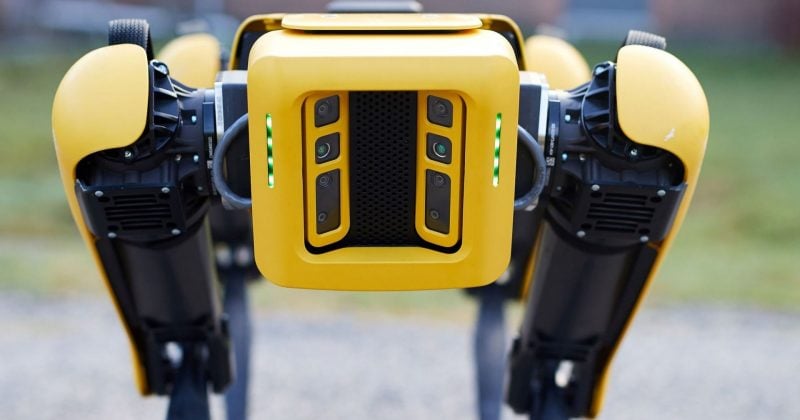
The company’s lineup includes Spot, the four-legged robot that has found commercial applications in industrial inspection, and Atlas, the humanoid robot known for advanced bipedal locomotion.
Hyundai plans to integrate Boston Dynamics robots into its manufacturing processes starting in 2028.
AI, tech, and the markets they move—in one daily briefing.
Daily. Free. Join 34,000+ readers across crypto, finance, and policy.
Why full ownership matters now
Hyundai already controlled Boston Dynamics with its 80% stake. The full acquisition eliminates governance friction from shared board seats and stakeholder alignment requirements that come with minority shareholders — a practical concern when deeply integrating a robotics company into core manufacturing operations.
SoftBank, for its part, has been reshuffling its portfolio. Letting go of a small stake in a company it no longer controls is a clean exit, and $325 million is a return on what amounts to leftover equity.
What this means for investors
The $20 billion-plus valuation assigned to Boston Dynamics is a striking number. When Hyundai bought its 80% stake for $1.1 billion in 2021, the robotics company was generating limited commercial revenue and was widely viewed as a research-heavy operation with an unclear path to profitability.
The 2028 timeline for deploying robots in Hyundai’s production facilities is the number to watch. If Atlas or its successors are genuinely performing useful tasks on automotive assembly lines by then, it validates the entire thesis.
As a wholly owned subsidiary, Boston Dynamics could theoretically be restricted from selling robots or technology to Hyundai’s competitors — a dynamic that could reshape the market for advanced industrial robots.