
Nexo Earn with Nexo
IEM Cologne Major 2026 highlights crypto’s disappearing act from esports sponsorships

IEM Cologne Major 2026 highlights crypto’s disappearing act from esports sponsorships

The biggest CS2 tournament of the year kicks off playoffs with a $1.25 million prize pool and zero crypto sponsors, a stark contrast to the industry's 2021 peak

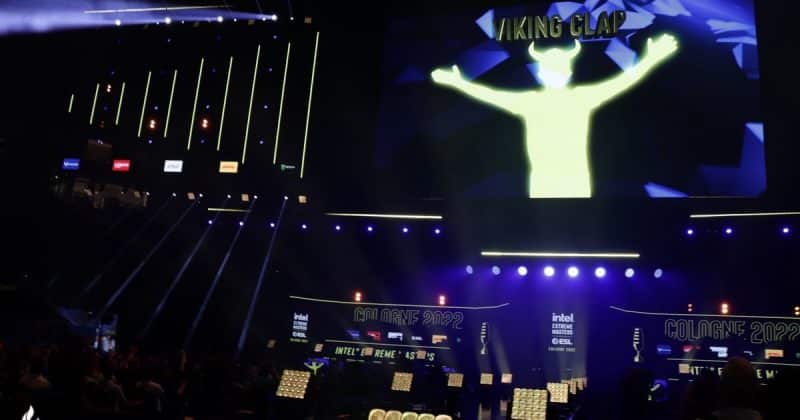
The IEM Cologne Major 2026 is entering its most exciting phase. Playoffs begin June 18 at the Lanxess Arena in Cologne, Germany, with 32 teams fighting over a $1.25 million prize pool. Media day coverage is live, teams are doing their interviews and promo content, and viewership numbers are already impressive.

Here’s the thing that should catch the attention of anyone in the crypto space: there isn’t a single verified cryptocurrency sponsorship attached to this event. Not one blockchain protocol logo on a jersey. Not one exchange naming rights deal on the broadcast.

Advertisement

The tournament itself is massive

The IEM Cologne Major has been running since June 2 and wraps up June 21. One Stage 3 match peaked at over 448,000 concurrent viewers. G2 Esports has been putting out vlogs and media content during the lead-up to playoffs. The Lanxess Arena, which holds roughly 20,000 people, will host the final playoff matches.

Where did all the crypto money go

Rewind to 2021 and 2022. Crypto exchanges and blockchain projects were throwing sponsorship dollars at esports like confetti at a parade. Team jerseys carried exchange logos. Tournament naming rights went to DeFi protocols most viewers had never heard of.

Then the market turned. The 2022 crypto downturn didn’t just wipe out portfolios. It vaporized marketing budgets. Traditional gambling operators have stepped in as the dominant sponsors of esports events. When crypto pulled back, they filled the gap with the kind of steady, regulated money that tournament organizers prefer.

Prediction markets: the last crypto foothold

The one area where blockchain technology still intersects with events like the IEM Cologne Major is prediction markets. Platforms like Polymarket allow users to place bets on match outcomes, creating a decentralized alternative to traditional sports betting.

The prediction market use case demonstrates that crypto can still find product-market fit in the gaming and esports world. The grand vision of blockchain-powered esports ecosystems, NFT player cards, and token-gated fan experiences has largely given way to a simpler reality: people want to bet on matches, and decentralized platforms offer one way to do that.

Disclosure: This article was edited by Editorial Team. For more information on how we create and review content, see our Editorial Policy.

IEM Cologne Major 2026 highlights crypto’s disappearing act from esports sponsorships

IEM Cologne Major 2026 highlights crypto’s disappearing act from esports sponsorships

The biggest CS2 tournament of the year kicks off playoffs with a $1.25 million prize pool and zero crypto sponsors, a stark contrast to the industry's 2021 peak

The IEM Cologne Major 2026 is entering its most exciting phase. Playoffs begin June 18 at the Lanxess Arena in Cologne, Germany, with 32 teams fighting over a $1.25 million prize pool. Media day coverage is live, teams are doing their interviews and promo content, and viewership numbers are already impressive.

Here’s the thing that should catch the attention of anyone in the crypto space: there isn’t a single verified cryptocurrency sponsorship attached to this event. Not one blockchain protocol logo on a jersey. Not one exchange naming rights deal on the broadcast.

Advertisement

The tournament itself is massive

The IEM Cologne Major has been running since June 2 and wraps up June 21. One Stage 3 match peaked at over 448,000 concurrent viewers. G2 Esports has been putting out vlogs and media content during the lead-up to playoffs. The Lanxess Arena, which holds roughly 20,000 people, will host the final playoff matches.

Where did all the crypto money go

Rewind to 2021 and 2022. Crypto exchanges and blockchain projects were throwing sponsorship dollars at esports like confetti at a parade. Team jerseys carried exchange logos. Tournament naming rights went to DeFi protocols most viewers had never heard of.

Then the market turned. The 2022 crypto downturn didn’t just wipe out portfolios. It vaporized marketing budgets. Traditional gambling operators have stepped in as the dominant sponsors of esports events. When crypto pulled back, they filled the gap with the kind of steady, regulated money that tournament organizers prefer.

Prediction markets: the last crypto foothold

The one area where blockchain technology still intersects with events like the IEM Cologne Major is prediction markets. Platforms like Polymarket allow users to place bets on match outcomes, creating a decentralized alternative to traditional sports betting.

The prediction market use case demonstrates that crypto can still find product-market fit in the gaming and esports world. The grand vision of blockchain-powered esports ecosystems, NFT player cards, and token-gated fan experiences has largely given way to a simpler reality: people want to bet on matches, and decentralized platforms offer one way to do that.

Disclosure: This article was edited by Editorial Team. For more information on how we create and review content, see our Editorial Policy.