
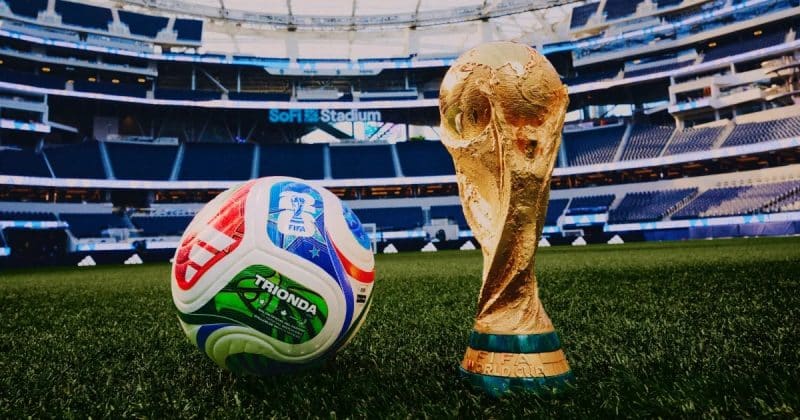
IFAB implements new VAR rules and anti-time-wasting measures ahead of 2026 World Cup
Football's rule-making body approved sweeping changes in February, including expanded replay reviews and visible countdown clocks, with implications for sports betting and fan token markets.
Football just got a rule book overhaul, and the timing is not accidental. The International Football Association Board (IFAB) approved a package of significant changes in February 2026, all designed to be battle-ready before the 2026 FIFA World Cup kicks off on June 11 across the US, Mexico, and Canada.
What’s actually changing on the pitch
The VAR upgrades are the headliners. Referees can now use video review to assess incorrectly awarded corner kicks and to examine fouls that lead to goals, penalties, or red cards. Previously, VAR’s scope was narrower, meaning some consequential errors slipped through.
Visible 5-second countdowns will now appear for throw-ins and goal kicks. Player substitutions get a 10-second limit. This one was already tested during a Japan vs. Iceland friendly in June 2026, where the clock started ticking the moment a substitution was signaled.
Tactical timeouts are now explicitly prohibited. Players who cover their mouths during protests or while leaving the field after being dismissed will receive red cards. The gesture, long associated with players hiding what they’re saying to officials from lip-readers and cameras, is now treated as an act of dissent.
These rules take full effect in the 2026-27 season but will be showcased on the World Cup’s global stage first.
The news moving money, markets, and the world—before your day starts.
Daily. Free. Join 34,000+ readers across crypto, finance, and policy.
Why a crypto publication cares about football rules
Sports betting platforms, including those operating on-chain, depend on match integrity and predictable officiating standards. Expanding VAR’s authority to cover more game-altering scenarios should reduce the frequency of outcomes that feel arbitrary. Platforms like Polymarket and Azuro have seen growing volumes around major sporting events.
Fan tokens are the other angle. The 2026 tournament is already set to be the largest ever, with 48 teams competing instead of the previous 32. More teams means more fanbases, which means a broader addressable market for fan engagement tokens.
What investors should actually watch
First, watch betting volumes on crypto-native platforms during the World Cup. The 2026 tournament will be the first major test of whether expanded VAR and faster match flow translate into higher engagement with decentralized prediction markets.
Second, keep an eye on fan token liquidity around tournament time. These assets are notoriously thin and sentiment-driven.
Third, consider the regulatory dimension. As sports betting grows globally, particularly in the US market that will host a significant portion of the 2026 World Cup, scrutiny on both traditional and crypto-based betting platforms will intensify.