
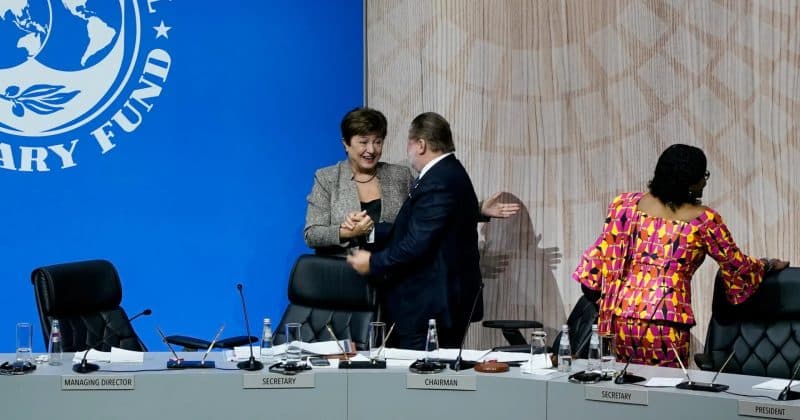
IMF and Egypt reach preliminary deal to unlock $2B in financing
The staff-level agreement completes two program reviews and brings Egypt's total drawdowns to roughly $5.2 billion under the expanded $8 billion facility
Egypt just secured another lifeline. The International Monetary Fund and Egyptian authorities reached a staff-level agreement on the fifth and sixth reviews of the country’s Extended Fund Facility, unlocking approximately $2 billion in immediate financing. Add in $273 million from the Resilience and Sustainability Facility, and the total disbursement lands around $2.3 billion.
Inside the numbers
The EFF arrangement was originally approved on December 16, 2022, at a modest $3 billion. That figure didn’t last long. Economic pressures forced an expansion to $8 billion. With this latest disbursement, Egypt has now drawn approximately $5.2 billion from its combined EFF and RSF allocations. That leaves roughly $2.8 billion still undrawn, but accessing it will require continued compliance with the IMF’s reform conditions.
The 46-month EFF arrangement runs through December 15, 2026. The February 25, 2026 agreement completed both the fifth and sixth reviews simultaneously. The IMF noted that some waivers were applied during the review process, signaling that the reform path hasn’t been perfectly smooth.
What Egypt is supposed to be doing
Exchange rate unification sits at the top of the reform agenda. Egypt has historically maintained a managed currency regime that created significant gaps between official and parallel market rates, draining foreign reserves and spooking investors. The currency experienced sharp devaluations as part of this process.
Macro, rates, and crypto—what moved markets and what matters next.
Daily. Free. Join 34,000+ readers across crypto, finance, and policy.
Fiscal tightening is the second major plank, including subsidy adjustments reducing the amount the government spends keeping fuel and food prices artificially low. The third pillar is private sector growth, with the IMF seeking a level playing field to attract both domestic entrepreneurs and foreign capital. Reserve accumulation rounds out the reform agenda.
What this means for investors
Unlocking this $2 billion tranche reduces near-term default risk and provides breathing room for the government to continue servicing its external debt obligations. The remaining disbursements under the $8 billion facility will depend on Egypt continuing to meet performance criteria through the end of 2026, with roughly $2.8 billion still undrawn.