
IMF warns of ongoing energy market strains amid Middle East tensions

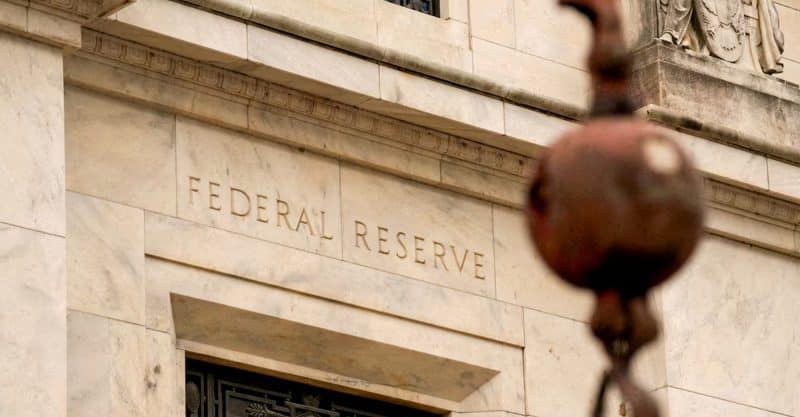
Photo by Jan Zakelj

IMF warns of ongoing energy market strains amid Middle East tensions

Crude oil all time high predictions

The International Monetary Fund (IMF) has reported ongoing strains in energy markets and trade, while asserting that the global economy remains broadly resilient. The report highlights the impact of recent geopolitical tensions, notably in the Middle East, which have disrupted key supply routes, including the Strait of Hormuz. This disruption has contributed to volatile energy prices and financial conditions, as well as rising inflationary pressures. The IMF’s findings suggest that the energy sector may continue to face significant challenges, potentially affecting global economic growth projections for 2026.

Advertisement

Key Takeaways

  • The IMF’s report appears to indicate continued pressure on energy markets due to geopolitical tensions, particularly in the Middle East.
  • Market pricing suggests an increase in the likelihood of crude oil reaching a new all-time high, with recent odds reflecting this sentiment.
  • The report underscores potential volatility in global trade and transit, which could further strain economic recovery efforts.

What to Watch

Key figures in the energy sector, such as OPEC and the International Energy Agency, will be closely monitored for any policy changes or forecasts that could impact energy prices. Developments in the Middle East, particularly regarding the Strait of Hormuz, will be crucial in determining future market conditions. Observers will also watch for any shifts in global economic policies that could mitigate the current strains and stabilize energy markets.

Get prediction market intelligence as a structured API feed. Early access waitlist.

Disclosure: This article was edited by Estefano Gomez. For more information on how we create and review content, see our Editorial Policy.

IMF warns of ongoing energy market strains amid Middle East tensions

IMF warns of ongoing energy market strains amid Middle East tensions

Crude oil all time high predictions

Photo by Jan Zakelj

The International Monetary Fund (IMF) has reported ongoing strains in energy markets and trade, while asserting that the global economy remains broadly resilient. The report highlights the impact of recent geopolitical tensions, notably in the Middle East, which have disrupted key supply routes, including the Strait of Hormuz. This disruption has contributed to volatile energy prices and financial conditions, as well as rising inflationary pressures. The IMF’s findings suggest that the energy sector may continue to face significant challenges, potentially affecting global economic growth projections for 2026.

Advertisement

Key Takeaways

  • The IMF’s report appears to indicate continued pressure on energy markets due to geopolitical tensions, particularly in the Middle East.
  • Market pricing suggests an increase in the likelihood of crude oil reaching a new all-time high, with recent odds reflecting this sentiment.
  • The report underscores potential volatility in global trade and transit, which could further strain economic recovery efforts.

What to Watch

Key figures in the energy sector, such as OPEC and the International Energy Agency, will be closely monitored for any policy changes or forecasts that could impact energy prices. Developments in the Middle East, particularly regarding the Strait of Hormuz, will be crucial in determining future market conditions. Observers will also watch for any shifts in global economic policies that could mitigate the current strains and stabilize energy markets.

Get prediction market intelligence as a structured API feed. Early access waitlist.

Disclosure: This article was edited by Estefano Gomez. For more information on how we create and review content, see our Editorial Policy.