
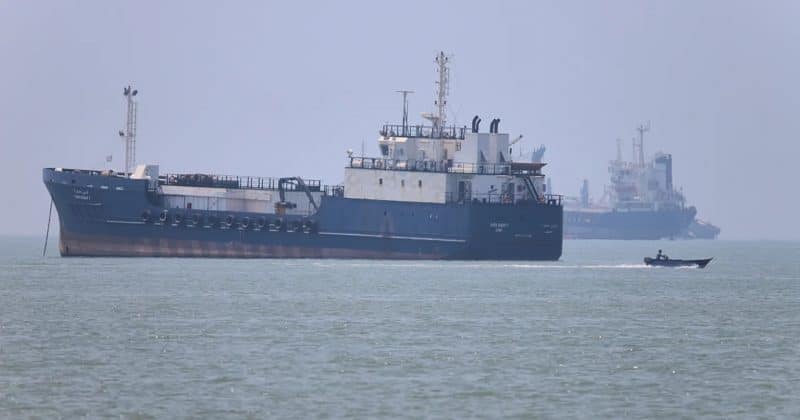
UN’s International Maritime Organization coordinates evacuation of 11,000 seafarers from Gulf through Strait of Hormuz
The IMO is orchestrating a phased withdrawal of stranded vessels following a US-Iran ceasefire that ended months of crisis in one of the world's most critical shipping chokepoints
The International Maritime Organization is moving to extract roughly 11,000 seafarers trapped in the Persian Gulf, launching what amounts to one of the largest coordinated maritime evacuations in recent memory. The operation, announced on June 23, follows a ceasefire agreement between the United States and Iran that created a narrow window to navigate vessels through the Strait of Hormuz.
Roughly 20% of global oil passes through this 21-mile-wide channel on any given day. When Iran shut it down in late February, it didn’t just strand ships. It stranded people.
How 11,000 people ended up stuck at sea
The crisis traces back to February 28, when Iran closed the Strait amid US and Israeli military operations in the region. At the peak, estimates suggested around 20,000 seafarers were stranded across approximately 2,000 vessels. Attacks on shipping in the area raised the stakes considerably, with reports of fatalities among crew members.
A temporary ceasefire in early April offered some relief, but not enough to open safe passage for the bulk of the fleet. Planning for the current evacuation intensified during that period.
The mechanics of getting out
IMO Secretary-General Arsenio Dominguez has emphasized that the evacuation will be executed in collaboration with Iran, Oman, the United States, and other Gulf states. The phased approach means vessels won’t all rush the strait at once. Instead, convoys will move through designated corridors with safety guarantees from the parties involved.
The news moving money, markets, and the world—before your day starts.
Daily. Free. Join 34,000+ readers across crypto, finance, and policy.
The involvement of Oman is particularly notable. The country shares control of the Strait with Iran and has historically served as a diplomatic intermediary between Tehran and Washington.
What this means for markets and investors
The shipping industry will be watching insurance premiums closely. War risk insurance for vessels transiting the Strait of Hormuz spiked dramatically when the crisis began. Whether those premiums normalize will be a real-time indicator of how much confidence the market has in the durability of the ceasefire.
For crypto traders, the signal to watch is energy market stability. Oil price volatility driven by Hormuz disruptions has been a persistent input into broader inflation narratives, which in turn affect monetary policy expectations, which in turn move risk assets including crypto.