
IMO coordinates Hormuz evacuation with Iran and Oman to free 11,000 stranded seafarers
A phased evacuation plan aims to clear hundreds of vessels trapped in the Persian Gulf following months of maritime gridlock
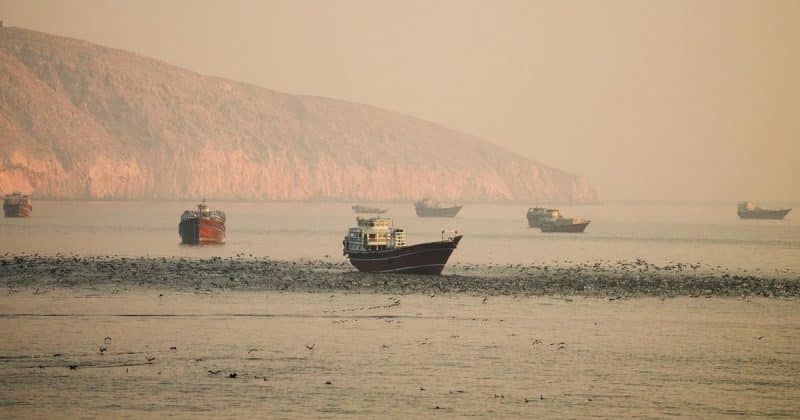
More than 11,000 seafarers have been stranded in the Persian Gulf since tensions in the region effectively sealed one of the world’s most critical shipping lanes. On June 23, 2026, the International Maritime Organization announced it would finally start moving them out.
The IMO’s evacuation plan involves coordinated safe passage through the Strait of Hormuz, with Iran, Oman, and the United States all playing a role.
What the evacuation actually looks like
IMO Secretary-General Arsenio Dominguez confirmed the operation will use established Traffic Separation Schemes, the maritime equivalent of designated highway lanes, to guide vessels through safely during phased transits.
Oman is issuing a Notice to Mariners that lays out the specific phases of the operation.
The Strait of Hormuz handles roughly 20% of global oil shipments.
The crisis that created this backlog began escalating in February 2026, when rising tensions sharply disrupted shipping traffic. At the peak of the disruption, estimates of affected vessels ranged from around 600 ships to as high as 2,000, depending on how broadly you define “affected.” At least 14 seafarers lost their lives during the conflict period.
The evacuation follows a ceasefire agreement between the US and Iran, and builds on discussions that began in March 2026 around establishing a safe-passage framework for mariners caught in the middle of a geopolitical standoff they had no part in creating.
Why this matters beyond the headlines
Oman, which has historically served as a quiet diplomatic back-channel between Iran and Western governments, is again playing a facilitative role, this time on the water rather than in negotiating rooms.
During the peak of the crisis, Iran had floated the idea of accepting Bitcoin for maritime tolls as a workaround for sanctions-related payment friction. That proposal never moved forward, and the current evacuation framework is built on intergovernmental coordination rather than digital currency rails.
Secretary-General Dominguez has positioned this operation as a model for future maritime crisis response.