
Nexo Earn with Nexo
India bars commercial consumers from buying gasoline and diesel at retail pumps

India bars commercial consumers from buying gasoline and diesel at retail pumps

The temporary 90-day restriction caps individual diesel purchases at 200 liters per day to combat fuel diversion and prevent shortages

India’s Ministry of Petroleum and Natural Gas just pulled the plug on commercial fuel buyers at retail pumps. Starting June 11, 2026, industrial, commercial, and institutional consumers are banned from purchasing petrol and diesel at the country’s retail fuel stations, a move designed to stop bulk buyers from draining subsidized supplies meant for ordinary consumers.

The restriction lasts up to 90 days and forces large-scale users to source their fuel from authorized bulk-sale points or their own consumer pumps instead. For individual customers, diesel purchases are now capped at 200 liters per customer or vehicle per day, with a strict prohibition on resale.

The price gap problem

India’s fuel market has been running a two-tier pricing system where subsidized retail fuel costs significantly less than bulk-supply prices. That gap created an obvious arbitrage opportunity, and commercial buyers noticed.

Advertisement

The result was what the government describes as “abnormal surges” in retail sales. Bulk consumers were essentially gaming the system, buying cheaper fuel at retail pumps instead of through proper commercial channels.

The diversion practice was creating localized fuel shortages and service interruptions for regular consumers who depend on retail outlets for their daily needs.

Who’s enforcing this

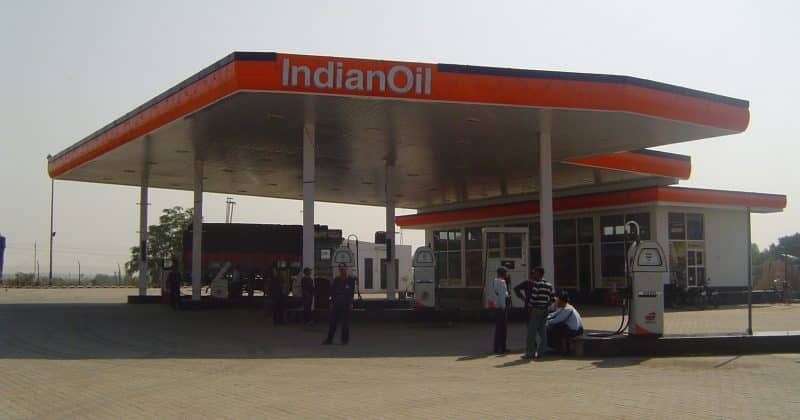
India’s three public-sector oil marketing companies have been handed the enforcement mandate. Indian Oil Corporation, Hindustan Petroleum, and Bharat Petroleum, the dominant players in India’s fuel retail network, are responsible for making sure the new rules stick at their stations.

The policy didn’t come out of nowhere. Back in May 2026, the Indian government publicly assured citizens that petrol and diesel supplies remained adequate, even as concerns mounted about diversion practices by bulk users. Those assurances were apparently a preview of more concrete action.

Geopolitical tensions have been rattling global energy markets, creating price fluctuations that make subsidized retail fuel look even more attractive to large buyers looking to cut costs.

Disclosure: This article was edited by Editorial Team. For more information on how we create and review content, see our Editorial Policy.

India bars commercial consumers from buying gasoline and diesel at retail pumps

India bars commercial consumers from buying gasoline and diesel at retail pumps

The temporary 90-day restriction caps individual diesel purchases at 200 liters per day to combat fuel diversion and prevent shortages

India’s Ministry of Petroleum and Natural Gas just pulled the plug on commercial fuel buyers at retail pumps. Starting June 11, 2026, industrial, commercial, and institutional consumers are banned from purchasing petrol and diesel at the country’s retail fuel stations, a move designed to stop bulk buyers from draining subsidized supplies meant for ordinary consumers.

The restriction lasts up to 90 days and forces large-scale users to source their fuel from authorized bulk-sale points or their own consumer pumps instead. For individual customers, diesel purchases are now capped at 200 liters per customer or vehicle per day, with a strict prohibition on resale.

The price gap problem

India’s fuel market has been running a two-tier pricing system where subsidized retail fuel costs significantly less than bulk-supply prices. That gap created an obvious arbitrage opportunity, and commercial buyers noticed.

Advertisement

The result was what the government describes as “abnormal surges” in retail sales. Bulk consumers were essentially gaming the system, buying cheaper fuel at retail pumps instead of through proper commercial channels.

The diversion practice was creating localized fuel shortages and service interruptions for regular consumers who depend on retail outlets for their daily needs.

Who’s enforcing this

India’s three public-sector oil marketing companies have been handed the enforcement mandate. Indian Oil Corporation, Hindustan Petroleum, and Bharat Petroleum, the dominant players in India’s fuel retail network, are responsible for making sure the new rules stick at their stations.

The policy didn’t come out of nowhere. Back in May 2026, the Indian government publicly assured citizens that petrol and diesel supplies remained adequate, even as concerns mounted about diversion practices by bulk users. Those assurances were apparently a preview of more concrete action.

Geopolitical tensions have been rattling global energy markets, creating price fluctuations that make subsidized retail fuel look even more attractive to large buyers looking to cut costs.

Disclosure: This article was edited by Editorial Team. For more information on how we create and review content, see our Editorial Policy.