
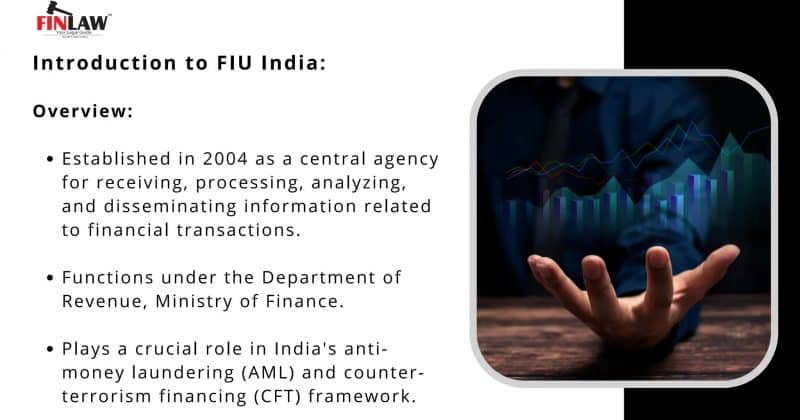
India’s Financial Intelligence Unit requests OTC crypto trade records above $10,000

India’s Financial Intelligence Unit requests OTC crypto trade records above $10,000

The FIU-IND is targeting high-value over-the-counter deals to close one of crypto's biggest regulatory blind spots in the country

India’s financial watchdog wants to see the receipts on crypto’s backroom deals.

The Financial Intelligence Unit of India (FIU-IND) has asked at least three major crypto exchanges to hand over records of over-the-counter transactions exceeding $10,000, roughly 9.44 lakh rupees. The directive covers OTC activity dating back to January 2026, and it follows a meeting held at the end of May 2026 between the agency and exchange operators.

Why OTC desks are the target

OTC desks let large buyers and sellers negotiate directly, often through a broker or desk that handles the settlement privately, executing trades at a fixed price insulated from market volatility. High-value OTC trades frequently end with assets being withdrawn to private wallets, not custodial accounts on exchanges, making these transactions much harder for regulators to trace and a natural avenue for money laundering and sanctions evasion.

Advertisement

The agency’s specific focus includes verifying beneficial ownership, particularly when private entities are involved. Shell companies and layered corporate structures can obscure the ultimate beneficial owner, or UBO, making it trivial to move illicit funds through what looks like a legitimate trade.

The regulatory machinery behind the request

FIU-IND derives its authority from the Prevention of Money Laundering Act, or PMLA. Crypto exchanges were formally brought under its umbrella over the past couple of years. As of early 2026, 49 crypto exchanges had registered with FIU-IND as reporting entities, including 45 domestic platforms and four offshore exchanges that serve Indian users. Registration means these platforms are legally required to file suspicious transaction reports, known as STRs, when they spot potentially illicit activity.

The agency is empowered to request additional data beyond STRs when investigative agencies need more information to pursue potential crimes. No specific exchanges or tokens have been publicly named in connection with the directive. The $10,000 threshold mirrors the international standard used by the Financial Action Task Force, or FATF, for flagging significant transactions.

What this means for investors

For retail traders who stick to standard exchange order books, the practical impact is likely minimal. This is aimed at institutional desks, high-net-worth individuals, and the intermediaries who facilitate large private trades.

India’s crypto market already operates under a 30% tax on crypto gains and a 1% TDS on transactions. Adding OTC reporting requirements could accelerate migration of privacy-focused traders to offshore platforms while building the institutional credibility that comes with a clear, enforced compliance framework.

India now has 49 registered exchanges, a clear legal framework under the PMLA, and a financial intelligence agency actively requesting transaction data.

Disclosure: This article was edited by Editorial Team. For more information on how we create and review content, see our Editorial Policy.

India’s Financial Intelligence Unit requests OTC crypto trade records above $10,000

India’s Financial Intelligence Unit requests OTC crypto trade records above $10,000

The FIU-IND is targeting high-value over-the-counter deals to close one of crypto's biggest regulatory blind spots in the country

India’s financial watchdog wants to see the receipts on crypto’s backroom deals.

The Financial Intelligence Unit of India (FIU-IND) has asked at least three major crypto exchanges to hand over records of over-the-counter transactions exceeding $10,000, roughly 9.44 lakh rupees. The directive covers OTC activity dating back to January 2026, and it follows a meeting held at the end of May 2026 between the agency and exchange operators.

Why OTC desks are the target

OTC desks let large buyers and sellers negotiate directly, often through a broker or desk that handles the settlement privately, executing trades at a fixed price insulated from market volatility. High-value OTC trades frequently end with assets being withdrawn to private wallets, not custodial accounts on exchanges, making these transactions much harder for regulators to trace and a natural avenue for money laundering and sanctions evasion.

Advertisement

The agency’s specific focus includes verifying beneficial ownership, particularly when private entities are involved. Shell companies and layered corporate structures can obscure the ultimate beneficial owner, or UBO, making it trivial to move illicit funds through what looks like a legitimate trade.

The regulatory machinery behind the request

FIU-IND derives its authority from the Prevention of Money Laundering Act, or PMLA. Crypto exchanges were formally brought under its umbrella over the past couple of years. As of early 2026, 49 crypto exchanges had registered with FIU-IND as reporting entities, including 45 domestic platforms and four offshore exchanges that serve Indian users. Registration means these platforms are legally required to file suspicious transaction reports, known as STRs, when they spot potentially illicit activity.

The agency is empowered to request additional data beyond STRs when investigative agencies need more information to pursue potential crimes. No specific exchanges or tokens have been publicly named in connection with the directive. The $10,000 threshold mirrors the international standard used by the Financial Action Task Force, or FATF, for flagging significant transactions.

What this means for investors

For retail traders who stick to standard exchange order books, the practical impact is likely minimal. This is aimed at institutional desks, high-net-worth individuals, and the intermediaries who facilitate large private trades.

India’s crypto market already operates under a 30% tax on crypto gains and a 1% TDS on transactions. Adding OTC reporting requirements could accelerate migration of privacy-focused traders to offshore platforms while building the institutional credibility that comes with a clear, enforced compliance framework.

India now has 49 registered exchanges, a clear legal framework under the PMLA, and a financial intelligence agency actively requesting transaction data.

Disclosure: This article was edited by Editorial Team. For more information on how we create and review content, see our Editorial Policy.