
India protests to US after three sailors killed in tanker attack amid Iran oil blockade
A US precision strike on a Palau-flagged oil tanker in the Gulf of Oman killed three Indian crew members, triggering a formal diplomatic protest and raising questions about the safety of commercial shipping in contested waters.
Three Indian sailors are dead after US forces struck an oil tanker in the Gulf of Oman on June 10, and India is not staying quiet about it.
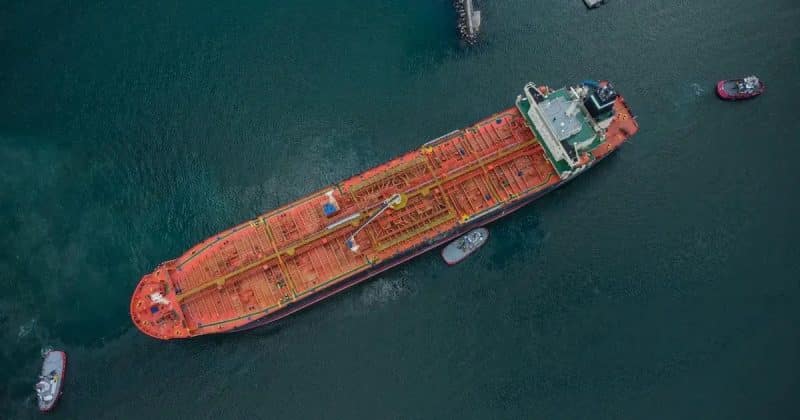
The attack targeted the Palau-flagged MT Settebello, which US Central Command accused of transporting Iranian oil in violation of a US-led blockade. The vessel carried a 24-person crew. Twenty-one were rescued by Omani authorities. Three were not so fortunate.
What happened and why India is furious
India summoned US diplomat Jason Meeks and issued a formal protest on June 10-11 in response to the strike. Indian Shipping Minister Sarbananda Sonowal confirmed the deaths and called the incident “deeply unfortunate.”
Two days earlier, on June 8, US forces struck another tanker, the MT Marivex, which also carried 24 Indian sailors. All crew members survived that attack.
India, one of the world’s largest oil importers, has emphasized the need for freedom of navigation and protection of civilian mariners.
The strikes are part of a broader US campaign of interdictions targeting vessels suspected of carrying Iranian oil. That campaign reportedly began intensifying in April 2026, coinciding with renewed sanctions on Iranian oil exports.
The broader geopolitical context
The MT Settebello was Palau-flagged but crewed entirely by Indian nationals. India maintains working relationships with both Washington and Tehran. It has historically been a significant buyer of Iranian crude, a practice that has repeatedly put it at odds with US sanctions policy.
India chose to summon a US diplomat rather than issue a quiet behind-the-scenes complaint. Diplomatic summons are reserved for moments when a government wants the world to know it’s unhappy.