
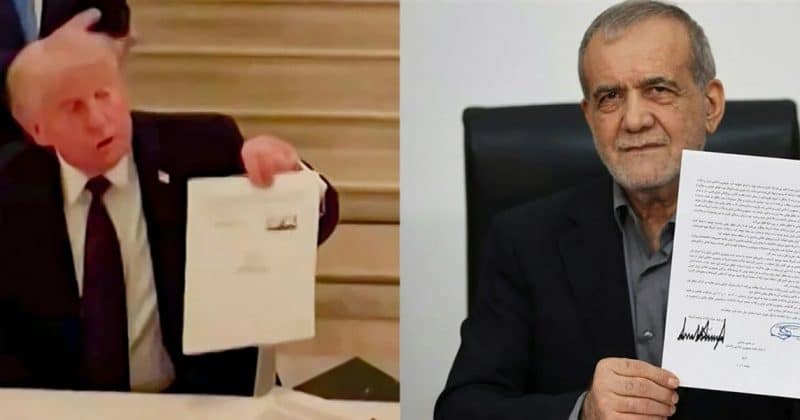
India welcomes US-Iran MOU to open Strait of Hormuz for energy security
The Islamabad memorandum of understanding initiates a 60-day toll-free window for commercial shipping through the world's most critical oil chokepoint
India’s National Security Adviser Ajit Doval voiced cautious optimism on June 23, 2026, about a freshly inked agreement between the US and Iran that could reshape global energy flows. The memorandum of understanding, formally known as the Islamabad MOU, aims to reopen the Strait of Hormuz for commercial shipping without tolls for an initial 60-day period.
The waterway handles roughly 20% of the world’s petroleum supply.
What the deal actually says
The MOU was agreed upon around June 17, 2026, and emerged from the wreckage of the 2026 Iran war. Its core mechanic is straightforward: commercial vessels get toll-free passage through the Strait of Hormuz for 60 days, starting from the agreement’s effective date.
But the deal goes beyond just reopening a shipping lane. It includes provisions for the cessation of military operations, sanctions relief, and economic incentives. There’s also a planned negotiation window targeting Iran’s nuclear program.
Pakistan’s involvement as a mediation partner adds another layer. The “Islamabad” branding signals that Pakistan played an active role in brokering the agreement.
Macro, rates, and crypto—what moved markets and what matters next.
Daily. Free. Join 34,000+ readers across crypto, finance, and policy.
Doval made his remarks at the 16th BRICS National Security Advisers’ Meeting, held in New Delhi. India used the BRICS platform to publicly endorse the deal’s potential to improve energy security and regional economic prosperity.
Why India cares this much
India is one of the world’s largest oil importers, and a significant share of its crude arrives through the Strait of Hormuz. The 2026 Iran conflict created supply-chain bottlenecks that rippled through industries beyond energy, particularly fertilizer and chemicals, both of which are critical to India’s agricultural economy.
Indian shipowners have noted that even if the agreement takes full effect, a return to genuine normalcy could take an additional 30 to 60 days beyond the initial implementation. Insurance rates, rerouting logistics, and crew availability don’t snap back overnight.
Shipping companies are watching closely to see whether the cessation of military operations actually holds and whether the sanctions relief materializes. The sanctions relief component of the deal is described as pending further negotiations.