
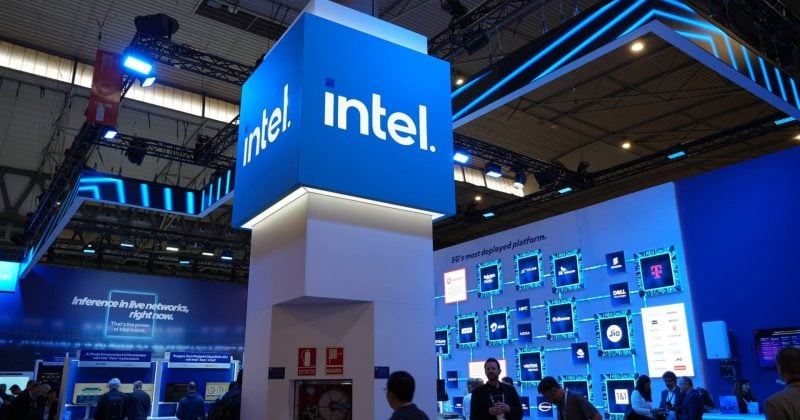
Intel stock surges 278% in H1 2026, then drops 10% in one day
The chipmaker's best rally in a quarter century ran headfirst into a trillion-dollar semiconductor selloff, with ripple effects for crypto mining hardware costs.
Intel closed the first half of 2026 at roughly $139.63 per share, capping a run of approximately 225-270% gains that pushed the stock past levels it hadn’t seen since August 2000. Then July showed up and ruined everything.
On July 1, shares dropped about 9%. The following session tacked on another 5% decline. More than $1 trillion in semiconductor sector market value evaporated in the span of two trading days.
What fueled the rally
Intel’s Q1 2026 results showed revenue of $13.6 billion, a 7.4% increase year-over-year that comfortably beat Wall Street expectations. The stock responded with a single-day surge of between 15% and 24% in late April.
The stock briefly touched an all-time high of $142.35 in late June.
The trillion-dollar unwind
That trouble arrived in the form of a broader semiconductor selloff that began on July 1. The catalyst wasn’t Intel-specific. Instead, investor sentiment across the entire chip sector shifted as concerns mounted about the sustainability of AI-related capital expenditures.
AI, tech, and the markets they move—in one daily briefing.
Daily. Free. Join 34,000+ readers across crypto, finance, and policy.
Why crypto investors should care
Intel’s stock movements have ripple effects that extend directly into crypto infrastructure. The company introduced a specialized blockchain accelerator chip back in 2022, and its broader chip-manufacturing roadmap has meaningful implications for mining hardware costs.
Semiconductor pricing and availability directly influence what miners pay for ASICs and other specialized hardware. When Intel’s foundry business expands capacity and improves process nodes, it creates competitive pressure on the concentrated ASIC supply chain that Bitcoin miners depend on. More chip fabrication capacity generally means lower costs and more options for mining operations.
No specific crypto tokens moved in direct correlation with Intel’s stock during H1 2026. But the infrastructure layer that Intel operates in, the actual silicon that makes blockchain networks run, remains one of the most underappreciated input costs in the entire crypto ecosystem.