
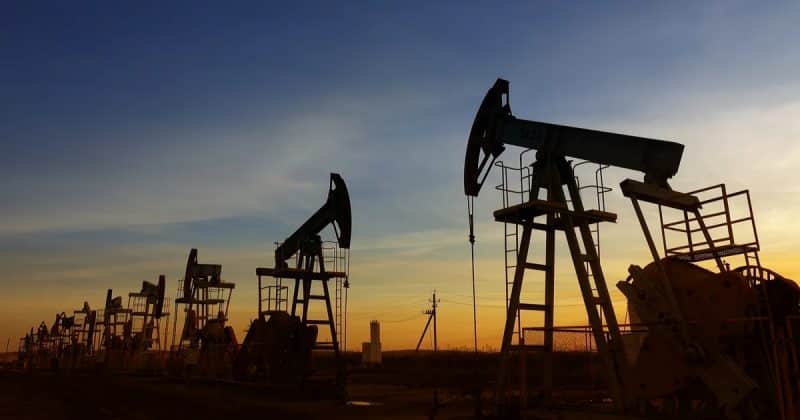
Iran exports 50M barrels of crude oil in two weeks as blockade lifts

Iran exports 50M barrels of crude oil in two weeks as blockade lifts

A US naval blockade that choked Iranian oil exports to near-zero for weeks has been lifted, and the market is already feeling the flood.

For roughly six weeks, Iranian crude oil sat in onshore storage while US naval assets blocked tanker traffic from leaving port. Then the blockade came off, and the oil moved fast. Iran has now exported 50 million barrels of crude in the two weeks since the US lifted its port blockade around June 18, 2026.

To put that number in perspective: before the blockade, Iran was shipping roughly 2.1 million barrels per day. The blockade pushed that figure to effectively zero by late May. What happened next was less a resumption of trade and more a dam breaking.

From zero to flood: what happened and how fast

The US naval blockade began in April 2026, timed to the escalating conflict and rising tensions in the Strait of Hormuz. Within weeks, seaborne crude exports from Iran collapsed. Trackers like Kpler and TankerTrackers reported absolute zero departures by late May.

Advertisement

The blockade was lifted following a US-Iran interim agreement that included terms governing access through the Strait of Hormuz. Once the green light came through around June 18, tankers began moving immediately.

In the first week alone, more than 30 million barrels departed Iranian ports, with vessels heading primarily toward Asia. China was identified as the main buyer of the resumed shipments. Among the early movers were tankers including the Hero II and Diona, which together carried more than 3.8 million barrels in initial runs.

By the end of the second week, the cumulative total had reached 50 million barrels.

What the oil market did with the news

Oil prices did not take this quietly. With 50 million barrels entering the supply chain over a two-week window, prices dropped by more than 4% following the supply resumption and interim deal announcement.

Chinese refiners have historically been among the largest buyers of discounted Iranian crude, often purchasing through intermediaries to navigate sanctions-related complexity. China absorbed the bulk of the resumed shipments.

What this means for broader markets, including crypto

Bitcoin posted a modest gain of roughly 2% as the interim deal and blockade lifting became public. Oil prices fell by over 4% following the supply resumption and interim deal news.

Roughly 20% of globally traded oil passes through the Strait of Hormuz. The blockade period demonstrated the chokepoint’s significance when Iranian exports went from 2.1 million barrels per day to zero in a matter of weeks.

Disclosure: This article was edited by Editorial Team. For more information on how we create and review content, see our Editorial Policy.

Iran exports 50M barrels of crude oil in two weeks as blockade lifts

Iran exports 50M barrels of crude oil in two weeks as blockade lifts

A US naval blockade that choked Iranian oil exports to near-zero for weeks has been lifted, and the market is already feeling the flood.

For roughly six weeks, Iranian crude oil sat in onshore storage while US naval assets blocked tanker traffic from leaving port. Then the blockade came off, and the oil moved fast. Iran has now exported 50 million barrels of crude in the two weeks since the US lifted its port blockade around June 18, 2026.

To put that number in perspective: before the blockade, Iran was shipping roughly 2.1 million barrels per day. The blockade pushed that figure to effectively zero by late May. What happened next was less a resumption of trade and more a dam breaking.

From zero to flood: what happened and how fast

The US naval blockade began in April 2026, timed to the escalating conflict and rising tensions in the Strait of Hormuz. Within weeks, seaborne crude exports from Iran collapsed. Trackers like Kpler and TankerTrackers reported absolute zero departures by late May.

Advertisement

The blockade was lifted following a US-Iran interim agreement that included terms governing access through the Strait of Hormuz. Once the green light came through around June 18, tankers began moving immediately.

In the first week alone, more than 30 million barrels departed Iranian ports, with vessels heading primarily toward Asia. China was identified as the main buyer of the resumed shipments. Among the early movers were tankers including the Hero II and Diona, which together carried more than 3.8 million barrels in initial runs.

By the end of the second week, the cumulative total had reached 50 million barrels.

What the oil market did with the news

Oil prices did not take this quietly. With 50 million barrels entering the supply chain over a two-week window, prices dropped by more than 4% following the supply resumption and interim deal announcement.

Chinese refiners have historically been among the largest buyers of discounted Iranian crude, often purchasing through intermediaries to navigate sanctions-related complexity. China absorbed the bulk of the resumed shipments.

What this means for broader markets, including crypto

Bitcoin posted a modest gain of roughly 2% as the interim deal and blockade lifting became public. Oil prices fell by over 4% following the supply resumption and interim deal news.

Roughly 20% of globally traded oil passes through the Strait of Hormuz. The blockade period demonstrated the chokepoint’s significance when Iranian exports went from 2.1 million barrels per day to zero in a matter of weeks.

Disclosure: This article was edited by Editorial Team. For more information on how we create and review content, see our Editorial Policy.