
Iran poised to gain $60B annually from resumed oil exports after US memorandum

Iran poised to gain $60B annually from resumed oil exports after US memorandum

The US-Iran memorandum of understanding lifts sanctions waivers on oil exports, sending crude prices tumbling and rattling markets across asset classes

Iran is about to turn the taps back on. A memorandum of understanding signed between the US and Iran on June 17 grants immediate waivers on sanctions covering Iranian oil exports, banking, insurance, and transportation services, potentially unlocking more than $60 billion in annual oil revenue for Tehran.

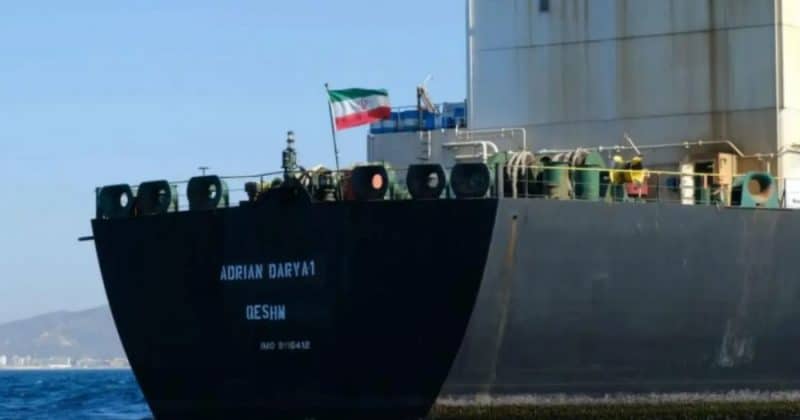
Tankers from the National Iranian Tanker Company have already begun moving crude, marking the country’s first exports in roughly two months. For a nation whose oil output had cratered to six-year lows, this is less a policy tweak and more a financial resurrection.

What the deal actually says

The 14-point agreement is structured as a temporary framework, not a permanent peace treaty. At its core sits a 60-day negotiation window focused on Iran’s nuclear program, with stipulations around limiting uranium enrichment and diluting existing stockpiles in exchange for continued sanctions relief.

Advertisement

The MOU also reopens the Strait of Hormuz for commercial shipping. That detail matters enormously. Roughly a fifth of the world’s oil passes through that narrow waterway, and its closure during the blockade had been quietly inflating energy costs worldwide.

Prior to this agreement, Iran’s exports had been squeezed to between 200,000 and 260,000 barrels per day in May 2026, a fraction of its pre-sanctions capacity. Now, with sanctions waivers in place covering not just the crude itself but the entire logistics chain of banking, insurance, and shipping, Iran can theoretically ramp production back to levels that justify that $60 billion annual projection.

Markets react with predictable violence

Oil prices dropped more than 4-5% following the announcement. Equities rallied on the news, reflecting a broader market read that reduced geopolitical tensions in the Middle East are good for business.

Bitcoin’s reaction was more muted. The cryptocurrency stabilized in the range of $63,000 to $65,000, posting modest gains but nothing dramatic.

The crypto angle nobody’s talking about

Iran’s relationship with cryptocurrency didn’t start with this memorandum. During years of sanctions, the country explored using Bitcoin and stablecoins like USDT to facilitate transactions, particularly for trade flowing through the Strait of Hormuz.

Now that sanctions waivers are in place, the immediate need for crypto-based workarounds diminishes. Iran can, at least temporarily, access traditional banking and insurance services for its oil trade. But the infrastructure and institutional knowledge built during the sanctions era doesn’t just disappear.

The 60-day clock started on June 17, which means late August becomes a critical inflection point. If enrichment limits and stockpile dilution terms aren’t met, the entire framework could unwind, and the $60 billion annual revenue projection goes back to being a hypothetical.

Disclosure: This article was edited by Editorial Team. For more information on how we create and review content, see our Editorial Policy.

Iran poised to gain $60B annually from resumed oil exports after US memorandum

Iran poised to gain $60B annually from resumed oil exports after US memorandum

The US-Iran memorandum of understanding lifts sanctions waivers on oil exports, sending crude prices tumbling and rattling markets across asset classes

Iran is about to turn the taps back on. A memorandum of understanding signed between the US and Iran on June 17 grants immediate waivers on sanctions covering Iranian oil exports, banking, insurance, and transportation services, potentially unlocking more than $60 billion in annual oil revenue for Tehran.

Tankers from the National Iranian Tanker Company have already begun moving crude, marking the country’s first exports in roughly two months. For a nation whose oil output had cratered to six-year lows, this is less a policy tweak and more a financial resurrection.

What the deal actually says

The 14-point agreement is structured as a temporary framework, not a permanent peace treaty. At its core sits a 60-day negotiation window focused on Iran’s nuclear program, with stipulations around limiting uranium enrichment and diluting existing stockpiles in exchange for continued sanctions relief.

Advertisement

The MOU also reopens the Strait of Hormuz for commercial shipping. That detail matters enormously. Roughly a fifth of the world’s oil passes through that narrow waterway, and its closure during the blockade had been quietly inflating energy costs worldwide.

Prior to this agreement, Iran’s exports had been squeezed to between 200,000 and 260,000 barrels per day in May 2026, a fraction of its pre-sanctions capacity. Now, with sanctions waivers in place covering not just the crude itself but the entire logistics chain of banking, insurance, and shipping, Iran can theoretically ramp production back to levels that justify that $60 billion annual projection.

Markets react with predictable violence

Oil prices dropped more than 4-5% following the announcement. Equities rallied on the news, reflecting a broader market read that reduced geopolitical tensions in the Middle East are good for business.

Bitcoin’s reaction was more muted. The cryptocurrency stabilized in the range of $63,000 to $65,000, posting modest gains but nothing dramatic.

The crypto angle nobody’s talking about

Iran’s relationship with cryptocurrency didn’t start with this memorandum. During years of sanctions, the country explored using Bitcoin and stablecoins like USDT to facilitate transactions, particularly for trade flowing through the Strait of Hormuz.

Now that sanctions waivers are in place, the immediate need for crypto-based workarounds diminishes. Iran can, at least temporarily, access traditional banking and insurance services for its oil trade. But the infrastructure and institutional knowledge built during the sanctions era doesn’t just disappear.

The 60-day clock started on June 17, which means late August becomes a critical inflection point. If enrichment limits and stockpile dilution terms aren’t met, the entire framework could unwind, and the $60 billion annual revenue projection goes back to being a hypothetical.

Disclosure: This article was edited by Editorial Team. For more information on how we create and review content, see our Editorial Policy.