
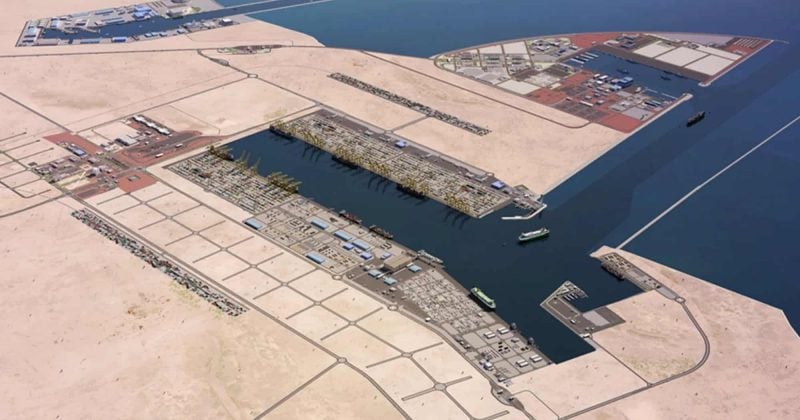
Iran and Qatar resume maritime trade after five-month hiatus

https://www.cundall.com/projects/hamad-port

Iran and Qatar resume maritime trade after five-month hiatus

Strait of Hormuz traffic normal by July 31

Iran and Qatar have officially resumed maritime trade after a hiatus of five months, according to Iranian state media. This development comes after disruptions caused by the 2026 Iran war, which led to the closure of ports and airspace in the region. The resumption of trade activities between the two nations marks a significant step towards de-escalating tensions and potentially stabilizing the Gulf energy logistics. The ongoing indirect technical talks between the US and Iran in Doha, aimed at reopening the crucial Strait of Hormuz, further underscore the importance of this development.

Advertisement

Key Takeaways

  • The resumption of maritime trade between Iran and Qatar appears to indicate a de-escalation in bilateral tensions, potentially impacting regional dynamics positively.
  • Market pricing suggests an increased likelihood of normalized traffic through the Strait of Hormuz in the near term, consistent with improved conditions for shipping.
  • This development is consistent with scenarios where regional energy logistics could stabilize, as indicated by the reopening of Qatar’s Al Ruwais port to Iranian goods.

What to Watch

Future developments in the indirect US-Iran talks in Doha will be critical, particularly regarding the reopening of the Strait of Hormuz. Observers should watch for announcements from key actors like the US Navy and Iranian authorities, as these could further influence market expectations. Any confirmed increase in shipping activity or de-escalation agreements would be a strong indicator of improving conditions, supportive of YES outcomes in related markets.

Get prediction market intelligence as a structured API feed. Early access waitlist.

Disclosure: This article was edited by Estefano Gomez. For more information on how we create and review content, see our Editorial Policy.

Iran and Qatar resume maritime trade after five-month hiatus

Iran and Qatar resume maritime trade after five-month hiatus

Strait of Hormuz traffic normal by July 31

https://www.cundall.com/projects/hamad-port

Iran and Qatar have officially resumed maritime trade after a hiatus of five months, according to Iranian state media. This development comes after disruptions caused by the 2026 Iran war, which led to the closure of ports and airspace in the region. The resumption of trade activities between the two nations marks a significant step towards de-escalating tensions and potentially stabilizing the Gulf energy logistics. The ongoing indirect technical talks between the US and Iran in Doha, aimed at reopening the crucial Strait of Hormuz, further underscore the importance of this development.

Advertisement

Key Takeaways

  • The resumption of maritime trade between Iran and Qatar appears to indicate a de-escalation in bilateral tensions, potentially impacting regional dynamics positively.
  • Market pricing suggests an increased likelihood of normalized traffic through the Strait of Hormuz in the near term, consistent with improved conditions for shipping.
  • This development is consistent with scenarios where regional energy logistics could stabilize, as indicated by the reopening of Qatar’s Al Ruwais port to Iranian goods.

What to Watch

Future developments in the indirect US-Iran talks in Doha will be critical, particularly regarding the reopening of the Strait of Hormuz. Observers should watch for announcements from key actors like the US Navy and Iranian authorities, as these could further influence market expectations. Any confirmed increase in shipping activity or de-escalation agreements would be a strong indicator of improving conditions, supportive of YES outcomes in related markets.

Get prediction market intelligence as a structured API feed. Early access waitlist.

Disclosure: This article was edited by Estefano Gomez. For more information on how we create and review content, see our Editorial Policy.