
Iran and US agree to cease hostilities, lift Gulf maritime blockades

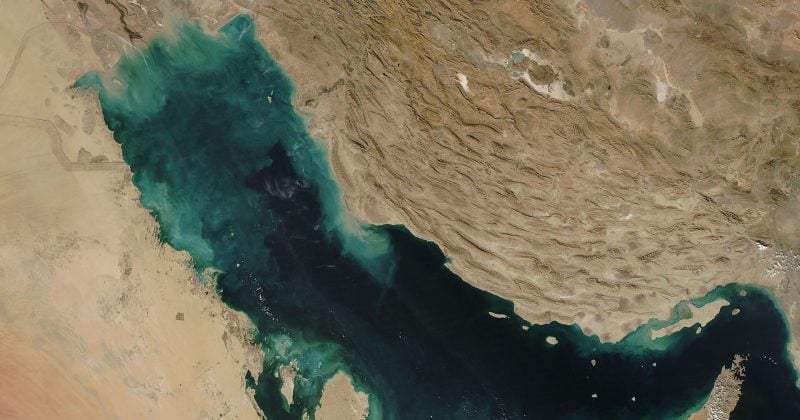
Wikipedia/PersianGulf_vue_satellite_du_golfe_persique.jpg

Iran and US agree to cease hostilities, lift Gulf maritime blockades

Strait of Hormuz traffic normal by July 31

Iran and the United States have reportedly agreed to cease hostilities and lift maritime blockades in the Gulf region, according to Iran’s official news agency. This development follows a memorandum of understanding (MoU) reached between the two countries, aimed at de-escalating tensions that have significantly impacted the Strait of Hormuz, a vital shipping corridor. The agreement marks a potential turning point in the ongoing conflict, which has seen disruptions in oil and gas shipping routes, affecting global energy markets. The implementation of the MoU is contingent upon further technical talks and formal signing by both parties.

Advertisement

Key Takeaways

  • The reported MoU between Iran and the U.S. appears to address conditions critical for normalizing traffic through the Strait of Hormuz, suggesting a likely resolution by July 31.
  • Market pricing suggests heightened expectations that U.S. President Trump may agree to certain Iranian demands, including troop withdrawals, by the end of June.
  • The absence of additional signatories to the MoU limits its immediate impact on markets related to other countries joining the agreement.

What to Watch

Observers should monitor upcoming technical discussions and the formal signing of the MoU, as these will be key indicators of progress towards normalizing Strait of Hormuz traffic. Developments regarding U.S. troop withdrawals and other Iranian demands are also crucial, given their potential to further influence market expectations. The involvement of other Gulf states or international actors in the agreement could alter the geopolitical landscape and impact market sentiment.

Get prediction market intelligence as a structured API feed. Early access waitlist.

Disclosure: This article was edited by Estefano Gomez. For more information on how we create and review content, see our Editorial Policy.

Iran and US agree to cease hostilities, lift Gulf maritime blockades

Iran and US agree to cease hostilities, lift Gulf maritime blockades

Strait of Hormuz traffic normal by July 31

Wikipedia/PersianGulf_vue_satellite_du_golfe_persique.jpg

Iran and the United States have reportedly agreed to cease hostilities and lift maritime blockades in the Gulf region, according to Iran’s official news agency. This development follows a memorandum of understanding (MoU) reached between the two countries, aimed at de-escalating tensions that have significantly impacted the Strait of Hormuz, a vital shipping corridor. The agreement marks a potential turning point in the ongoing conflict, which has seen disruptions in oil and gas shipping routes, affecting global energy markets. The implementation of the MoU is contingent upon further technical talks and formal signing by both parties.

Advertisement

Key Takeaways

  • The reported MoU between Iran and the U.S. appears to address conditions critical for normalizing traffic through the Strait of Hormuz, suggesting a likely resolution by July 31.
  • Market pricing suggests heightened expectations that U.S. President Trump may agree to certain Iranian demands, including troop withdrawals, by the end of June.
  • The absence of additional signatories to the MoU limits its immediate impact on markets related to other countries joining the agreement.

What to Watch

Observers should monitor upcoming technical discussions and the formal signing of the MoU, as these will be key indicators of progress towards normalizing Strait of Hormuz traffic. Developments regarding U.S. troop withdrawals and other Iranian demands are also crucial, given their potential to further influence market expectations. The involvement of other Gulf states or international actors in the agreement could alter the geopolitical landscape and impact market sentiment.

Get prediction market intelligence as a structured API feed. Early access waitlist.

Disclosure: This article was edited by Estefano Gomez. For more information on how we create and review content, see our Editorial Policy.