
Nexo Earn with Nexo
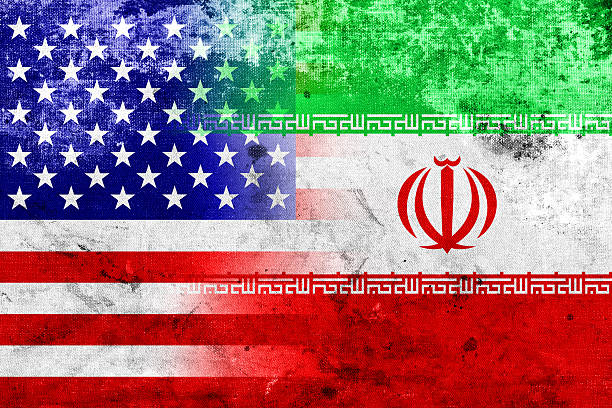
Iran and US exchange air strikes near Strait of Hormuz, escalating conflict

Iran and US exchange air strikes near Strait of Hormuz, escalating conflict

US Invasion of Iran

## Market Snapshot

In the market for a potential US invasion of Iran by 2027, the current pricing stands at 15.5% YES, slightly down from 20% in the previous 24 hours. The exchange of air strikes has led to significant market speculation about future military actions.

## Key Takeaways

– The recent exchange of air strikes between Iran and the US near the Strait of Hormuz appears to be consistent with an escalation in direct military conflict. – This development suggests an increased likelihood of further military actions, which could be supportive of a YES outcome in the market for a US invasion of Iran. – Market activity indicates that participants are watching closely for any signs of further escalation or de-escalation in the region.

Advertisement

## Article Body

The United States and Iran have exchanged air strikes in the vicinity of the Strait of Hormuz, a critical chokepoint for global energy shipping. This marks a significant shift in the Iran–United States conflict, which has now entered a direct military phase. The Strait of Hormuz has historically been a focal point of tension, with Iran applying maritime pressure and the United States countering with military responses to ensure the waterway remains open. The latest air strikes indicate a heightened level of conflict with immediate implications for regional security and military posturing.

## Market Interpretation

The news of air strikes in the Gulf region is consistent with a scenario that supports a YES outcome in the market for a US invasion of Iran by 2027. The impact is considered high, as the direct military engagement represents a significant escalation in the ongoing conflict. The market’s response suggests participants view this as increasing the likelihood of further military action.

## What to Watch

Observers should monitor any official statements from key actors such as the United States government, Iranian authorities, and international diplomatic efforts aimed at de-escalation. Developments in military deployments and negotiations around the Strait of Hormuz will also be crucial. Additionally, any changes in market pricing or volume could indicate shifts in participant sentiment regarding the likelihood of further escalation.

Get prediction market intelligence as a structured API feed. Early access waitlist.

Disclosure: This article was edited by Estefano Gomez. For more information on how we create and review content, see our Editorial Policy.

Iran and US exchange air strikes near Strait of Hormuz, escalating conflict

Iran and US exchange air strikes near Strait of Hormuz, escalating conflict

US Invasion of Iran

## Market Snapshot

In the market for a potential US invasion of Iran by 2027, the current pricing stands at 15.5% YES, slightly down from 20% in the previous 24 hours. The exchange of air strikes has led to significant market speculation about future military actions.

## Key Takeaways

– The recent exchange of air strikes between Iran and the US near the Strait of Hormuz appears to be consistent with an escalation in direct military conflict. – This development suggests an increased likelihood of further military actions, which could be supportive of a YES outcome in the market for a US invasion of Iran. – Market activity indicates that participants are watching closely for any signs of further escalation or de-escalation in the region.

Advertisement

## Article Body

The United States and Iran have exchanged air strikes in the vicinity of the Strait of Hormuz, a critical chokepoint for global energy shipping. This marks a significant shift in the Iran–United States conflict, which has now entered a direct military phase. The Strait of Hormuz has historically been a focal point of tension, with Iran applying maritime pressure and the United States countering with military responses to ensure the waterway remains open. The latest air strikes indicate a heightened level of conflict with immediate implications for regional security and military posturing.

## Market Interpretation

The news of air strikes in the Gulf region is consistent with a scenario that supports a YES outcome in the market for a US invasion of Iran by 2027. The impact is considered high, as the direct military engagement represents a significant escalation in the ongoing conflict. The market’s response suggests participants view this as increasing the likelihood of further military action.

## What to Watch

Observers should monitor any official statements from key actors such as the United States government, Iranian authorities, and international diplomatic efforts aimed at de-escalation. Developments in military deployments and negotiations around the Strait of Hormuz will also be crucial. Additionally, any changes in market pricing or volume could indicate shifts in participant sentiment regarding the likelihood of further escalation.

Get prediction market intelligence as a structured API feed. Early access waitlist.

Disclosure: This article was edited by Estefano Gomez. For more information on how we create and review content, see our Editorial Policy.