
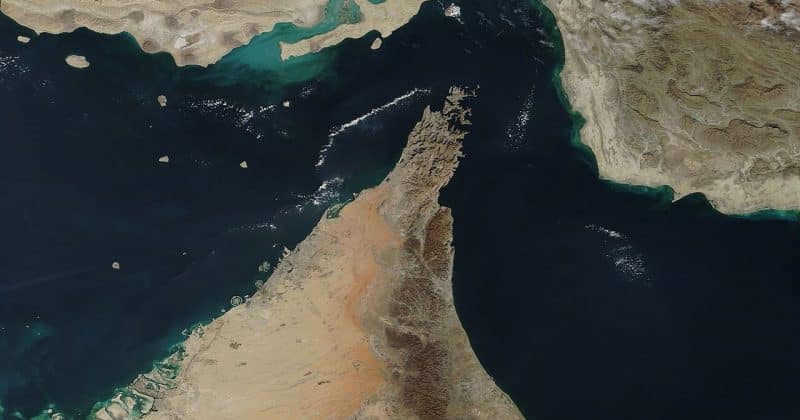
Iran asserts control over Strait of Hormuz, plans maritime fees

https://en.wikipedia.org/wiki/Strait_of_Hormuz

Iran asserts control over Strait of Hormuz, plans maritime fees

Strait of Hormuz traffic normalization

Iran has reiterated its intention to maintain control over the Strait of Hormuz, emphasizing its right to impose maritime service fees, even suggesting the use of force if necessary. This stance comes amid the ongoing 2026 Iran–US/Israel conflict and a temporary ceasefire that reopened the strategic waterway. Despite the ceasefire, Iran’s military maintains control over the strait, with vessels needing to coordinate with Iranian forces to pass through. The insistence on charging fees, framed as payments for security and environmental services, indicates an effort to solidify its control, raising concerns of potential escalation if opposed by the US or its allies.

Advertisement

Key Takeaways

  • Iran’s insistence on controlling the Strait of Hormuz and imposing fees appears to align with decreased expectations of normal traffic resumption by July 15.
  • Pricing suggests that market participants view the situation as indicative of heightened tensions and potential for further disruptions.
  • Recent developments appear consistent with scenarios where the strait remains under Iranian control, affecting maritime traffic forecasts.

What to Watch

Observers should monitor statements from Iranian and US officials, as any diplomatic breakthroughs or escalations could significantly impact the current market outlook. An official statement by the IRGC regarding the permanent reopening of the strait without tolls could shift expectations towards a YES outcome. Conversely, reports of increased military activity or continued enforcement of the blockade may further dampen prospects for normalization by the deadline. The situation remains fluid with potential for rapid developments.

Get prediction market intelligence as a structured API feed. Early access waitlist.

Disclosure: This article was edited by Estefano Gomez. For more information on how we create and review content, see our Editorial Policy.

Iran asserts control over Strait of Hormuz, plans maritime fees

Iran asserts control over Strait of Hormuz, plans maritime fees

Strait of Hormuz traffic normalization

https://en.wikipedia.org/wiki/Strait_of_Hormuz

Iran has reiterated its intention to maintain control over the Strait of Hormuz, emphasizing its right to impose maritime service fees, even suggesting the use of force if necessary. This stance comes amid the ongoing 2026 Iran–US/Israel conflict and a temporary ceasefire that reopened the strategic waterway. Despite the ceasefire, Iran’s military maintains control over the strait, with vessels needing to coordinate with Iranian forces to pass through. The insistence on charging fees, framed as payments for security and environmental services, indicates an effort to solidify its control, raising concerns of potential escalation if opposed by the US or its allies.

Advertisement

Key Takeaways

  • Iran’s insistence on controlling the Strait of Hormuz and imposing fees appears to align with decreased expectations of normal traffic resumption by July 15.
  • Pricing suggests that market participants view the situation as indicative of heightened tensions and potential for further disruptions.
  • Recent developments appear consistent with scenarios where the strait remains under Iranian control, affecting maritime traffic forecasts.

What to Watch

Observers should monitor statements from Iranian and US officials, as any diplomatic breakthroughs or escalations could significantly impact the current market outlook. An official statement by the IRGC regarding the permanent reopening of the strait without tolls could shift expectations towards a YES outcome. Conversely, reports of increased military activity or continued enforcement of the blockade may further dampen prospects for normalization by the deadline. The situation remains fluid with potential for rapid developments.

Get prediction market intelligence as a structured API feed. Early access waitlist.

Disclosure: This article was edited by Estefano Gomez. For more information on how we create and review content, see our Editorial Policy.