
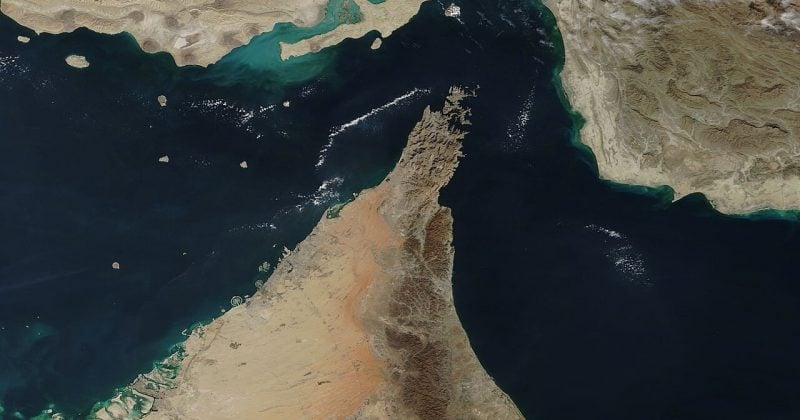
Iran attack on vessels in Strait of Hormuz spikes oil prices 5%

https://en.wikipedia.org/wiki/Strait_of_Hormuz

Iran attack on vessels in Strait of Hormuz spikes oil prices 5%

WTI crude oil prices in July 2026

Oil prices are poised for increased volatility following an Iranian attack on commercial vessels in the Strait of Hormuz, a critical passage for global oil and LNG shipments. The incident has pushed Brent crude prices up by approximately 5% to over $75.50 per barrel, while WTI crude has reached $72 per barrel. In response, the U.S. Treasury Department has revoked a temporary waiver that allowed Iran to sell sanctioned crude oil, potentially disrupting the recent U.S.-Iran agreement. This development is likely to exacerbate the geopolitical risk premium associated with oil, with markets now closely watching for any further disruptions in the Strait of Hormuz that could drive prices higher.

Advertisement

Key Takeaways

  • The recent Iranian attack appears to have triggered increased volatility in oil markets, consistent with a YES outcome for higher prices.
  • Markets are responding to the geopolitical risk by adjusting the odds of WTI reaching significant price targets in July.
  • Revocation of the U.S. waiver on Iranian oil could further destabilize oil supply dynamics, suggesting upward pressure on prices.

What to Watch

Observers should monitor any announcements from the Iranian Navy regarding the status of the Strait of Hormuz, as continued closures could support a YES scenario for higher WTI prices. Additionally, statements from the White House or OPEC+ leadership about production adjustments may also influence market expectations. The potential for further geopolitical developments in the region remains high, which could lead to significant shifts in oil pricing scenarios.

Get live prediction-market analysis, powered by Vera. Sign up for Vera.

Disclosure: This article was edited by Estefano Gomez. For more information on how we create and review content, see our Editorial Policy.

Iran attack on vessels in Strait of Hormuz spikes oil prices 5%

Iran attack on vessels in Strait of Hormuz spikes oil prices 5%

WTI crude oil prices in July 2026

https://en.wikipedia.org/wiki/Strait_of_Hormuz

Oil prices are poised for increased volatility following an Iranian attack on commercial vessels in the Strait of Hormuz, a critical passage for global oil and LNG shipments. The incident has pushed Brent crude prices up by approximately 5% to over $75.50 per barrel, while WTI crude has reached $72 per barrel. In response, the U.S. Treasury Department has revoked a temporary waiver that allowed Iran to sell sanctioned crude oil, potentially disrupting the recent U.S.-Iran agreement. This development is likely to exacerbate the geopolitical risk premium associated with oil, with markets now closely watching for any further disruptions in the Strait of Hormuz that could drive prices higher.

Advertisement

Key Takeaways

  • The recent Iranian attack appears to have triggered increased volatility in oil markets, consistent with a YES outcome for higher prices.
  • Markets are responding to the geopolitical risk by adjusting the odds of WTI reaching significant price targets in July.
  • Revocation of the U.S. waiver on Iranian oil could further destabilize oil supply dynamics, suggesting upward pressure on prices.

What to Watch

Observers should monitor any announcements from the Iranian Navy regarding the status of the Strait of Hormuz, as continued closures could support a YES scenario for higher WTI prices. Additionally, statements from the White House or OPEC+ leadership about production adjustments may also influence market expectations. The potential for further geopolitical developments in the region remains high, which could lead to significant shifts in oil pricing scenarios.

Get live prediction-market analysis, powered by Vera. Sign up for Vera.

Disclosure: This article was edited by Estefano Gomez. For more information on how we create and review content, see our Editorial Policy.