
 Earn with Nexo
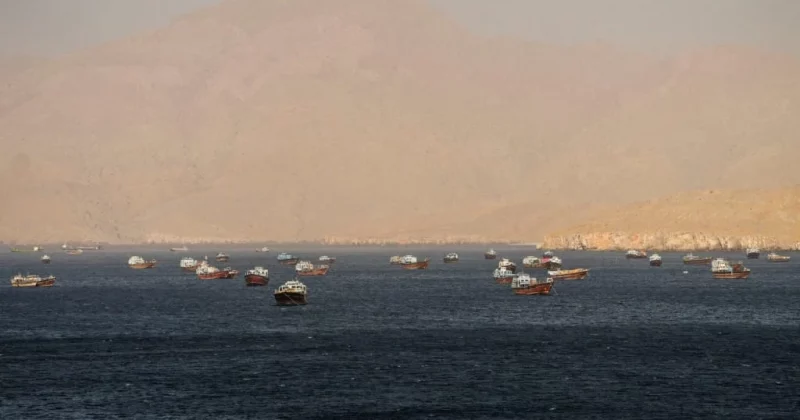
Iran explores bitcoin insurance market in Strait of Hormuz
A new maritime insurance platform called 'Hormuz Safe' reportedly accepts Bitcoin and stablecoin payments as Iran weaponizes its chokepoint control over global oil shipping.
The narrow waterway between Iran and the Arabian Peninsula handles roughly a fifth of the world’s daily oil supply. Now, the country that controls one side of it is reportedly building a crypto-powered toll booth.
Iran is developing a Bitcoin and stablecoin-based financial framework within the Strait of Hormuz, according to local reports. The initiative includes a new maritime insurance platform called “Hormuz Safe” that accepts payments in Bitcoin and other crypto assets for coverage and safe-passage services.
How the toll system works
The Islamic Revolutionary Guard Corps, which wields enormous economic and military influence inside Iran, is reportedly at the center of this operation. The IRGC has been charging oil tankers a toll of approximately $1 per barrel for transit through the strait, with payments accepted in yuan or stablecoins through a coded system designed to obscure the transaction trail.
More recently, tankers have reportedly been required to pay tolls in Bitcoin specifically, with additional measures put in place to prevent payment tracing or confiscation by foreign authorities.
The Hormuz Safe platform appears to function as both an insurance provider and a payment gateway. Vessels transiting the strait can purchase coverage in crypto, effectively buying a guarantee of safe passage in a region where the IRGC’s naval forces have repeatedly demonstrated their willingness to detain or harass commercial shipping.
By the fourth quarter of 2025, the IRGC was estimated to represent about 50% of Iran’s entire crypto ecosystem, linking the guard corps’ crypto transactions directly to oil trades and other activities that international sanctions are designed to curtail.
Sanctions evasion at scale
The use of yuan alongside stablecoins signals that this framework is not purely a crypto play but part of a broader de-dollarization strategy, one that aligns Iran’s financial interests with China’s ambitions to expand yuan-denominated trade in energy markets.
Fraud has already emerged as a side effect. Bad actors are reportedly exploiting the situation by demanding fake “Strait of Hormuz transit fees” in Bitcoin and Tether, claiming to represent Iranian authorities.
What this means for the crypto market and global trade
For Tether specifically, the implications are direct. USDT is already the dominant stablecoin in gray-market and sanctions-adjacent trade corridors across the Middle East and Asia. If Iranian oil tolls are flowing through USDT, Tether’s compliance posture becomes a geopolitical issue, not just a regulatory one.