
Nexo Earn with Nexo
Iran blames aggressors for Strait of Hormuz instability amid diplomatic tensions

Iran blames aggressors for Strait of Hormuz instability amid diplomatic tensions

Iran Coup Attempt

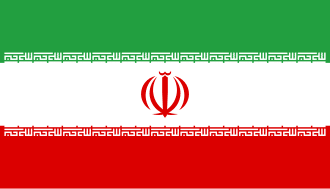
Iran’s Foreign Minister Abbas Araghchi blamed “aggressors targeting Iran” for instability in the Strait of Hormuz. The odds of a diplomatic meeting with Iran by April 30 dropped to 3.5% YES, down from 8% yesterday.

Market reaction

The statement hit several related markets. The Iran coup attempt by June 30 market sits at 12.5% YES, barely changed from 12% over the last 24 hours. Traders aren’t reading Araghchi’s rhetoric as a sign of internal instability.

Advertisement

The Trump agreement to Iranian demands in April market is at 20% YES, down from 26% in the last 24 hours. Traders appear to read Araghchi’s comments as reducing the chance Trump will concede on oil sanction relief by month’s end.

Why it matters

At 3.5% YES with 7 days until resolution, the diplomatic meeting market prices in near-zero probability of a last-minute breakthrough. Araghchi’s statement reinforces Iran’s hardline posture and makes any diplomatic concession from either side less plausible before the deadline.

Traders spent $1,465 in USDC to push the diplomatic meeting market down, and only $2,542 is needed to move it another five points. The Trump agreement market, with $1,814 in USDC traded, needs just $416 to shift five points. Both markets are thin enough that a single large order could cause significant price swings.

What to watch

Any unexpected diplomatic gestures from Tehran or Washington could reprice these markets quickly. Back-channel talks or mediation involving third-party states like Oman or Qatar would be the most likely catalysts. At 3.5¢, a YES share pays 28.5x, a bet that requires believing in a dramatic reversal from both governments within a week.

Get prediction market intelligence as a structured API feed. Early access waitlist.

Disclosure: This article was edited by Estefano Gomez. For more information on how we create and review content, see our Editorial Policy.
Advertisement

Iran blames aggressors for Strait of Hormuz instability amid diplomatic tensions

Iran blames aggressors for Strait of Hormuz instability amid diplomatic tensions

Iran Coup Attempt

Iran’s Foreign Minister Abbas Araghchi blamed “aggressors targeting Iran” for instability in the Strait of Hormuz. The odds of a diplomatic meeting with Iran by April 30 dropped to 3.5% YES, down from 8% yesterday.

Market reaction

The statement hit several related markets. The Iran coup attempt by June 30 market sits at 12.5% YES, barely changed from 12% over the last 24 hours. Traders aren’t reading Araghchi’s rhetoric as a sign of internal instability.

Advertisement

The Trump agreement to Iranian demands in April market is at 20% YES, down from 26% in the last 24 hours. Traders appear to read Araghchi’s comments as reducing the chance Trump will concede on oil sanction relief by month’s end.

Why it matters

At 3.5% YES with 7 days until resolution, the diplomatic meeting market prices in near-zero probability of a last-minute breakthrough. Araghchi’s statement reinforces Iran’s hardline posture and makes any diplomatic concession from either side less plausible before the deadline.

Traders spent $1,465 in USDC to push the diplomatic meeting market down, and only $2,542 is needed to move it another five points. The Trump agreement market, with $1,814 in USDC traded, needs just $416 to shift five points. Both markets are thin enough that a single large order could cause significant price swings.

What to watch

Any unexpected diplomatic gestures from Tehran or Washington could reprice these markets quickly. Back-channel talks or mediation involving third-party states like Oman or Qatar would be the most likely catalysts. At 3.5¢, a YES share pays 28.5x, a bet that requires believing in a dramatic reversal from both governments within a week.

Get prediction market intelligence as a structured API feed. Early access waitlist.

Disclosure: This article was edited by Estefano Gomez. For more information on how we create and review content, see our Editorial Policy.
Advertisement