
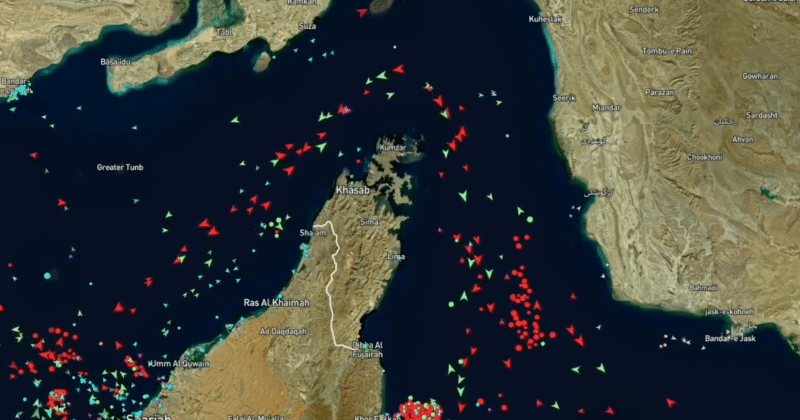
Iran closes Strait of Hormuz over alleged Israel ceasefire violation
The chokepoint responsible for roughly 20% of global seaborne oil trade is shut again, sending shockwaves through commodity and crypto markets alike


Iran declared the Strait of Hormuz closed to shipping transit on Saturday, saying the move was a response to Israel’s alleged violation of a ceasefire through continued military actions in southern Lebanon.
Diplomatic context
The announcement came as Pakistan confirmed that US-Iran talks aimed at securing a lasting peace agreement are expected to open in Switzerland on Sunday.
Talks were delayed on Friday due to renewed fighting between Israel and Hezbollah. Iranian and US delegations are reportedly preparing to participate.
Shipping and energy impact
The Strait of Hormuz is a critical global energy chokepoint. While commercial traffic had continued through alternative routes and significant oil volumes were still moving, Iran’s declaration could increase risk perceptions among shipowners and insurers and potentially disrupt future transit.
Military situation
Fighting in Lebanon continues despite announced ceasefire arrangements. Lebanon reported Israeli strikes causing casualties, while Hezbollah said it engaged Israeli forces near Nabatieh. Israel said it targeted Hezbollah military infrastructure after rocket attacks.
Macro, rates, and crypto—what moved markets and what matters next.
Daily. Free. Join 34,000+ readers across crypto, finance, and policy.
Vice President JD Vance said he remains confident in the ceasefire process and wants negotiations to proceed. President Donald Trump has argued that a deal with Iran is necessary to avoid broader economic disruption and has warned Tehran against delaying an agreement.
Despite separate ceasefire commitments by Israel and Hezbollah, violence has continued.
Both sides reported military operations in southern Lebanon, with casualties and claims of violations. Ongoing clashes threaten diplomatic efforts and could complicate regional stabilization.