
Nexo Earn with Nexo
Iran closes Strait of Hormuz, blocking over 3,200 ships in major escalation

https://www.cnbc.com/2026/03/02/strait-of-hormuz-crisis-us-iran-israel-war-shipping-trade-oil.html

Iran closes Strait of Hormuz, blocking over 3,200 ships in major escalation

Strait of Hormuz normal traffic

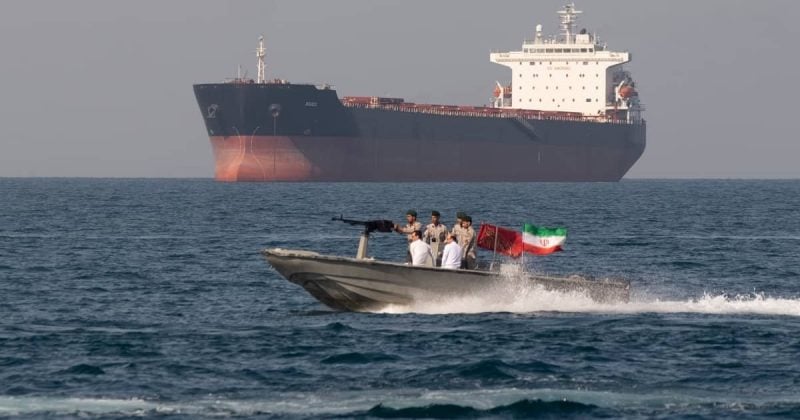
Iran’s Islamic Revolutionary Guard Corps (IRGC) has reportedly closed the Strait of Hormuz, obstructing over 3,200 ships and marking a significant escalation in regional tensions. This action comes as a response to recent U.S. military activities in Iran, according to reports. The strait is a crucial global oil shipping route, and its closure could have far-reaching implications for energy markets and maritime security. Observers note that this development may indicate intensified geopolitical conflict between Iran and the United States, impacting energy transit routes and potentially destabilizing the region further.

Advertisement

Key Takeaways

  • The closure of the Strait of Hormuz by Iran’s IRGC appears to significantly decrease the chances of normal traffic resuming by June 15, 2026.
  • Market pricing suggests a decreased likelihood of normal traffic through the Strait by July 31, reflecting potential for extended disruptions.
  • The recent shutdown of the Strait does not appear to directly impact the likelihood of Trump agreeing to Iranian demands by June 30.

What to Watch

Observers will be closely monitoring any diplomatic efforts to ease tensions, particularly involving key actors such as Hossein Salami, the IRGC commander, and U.S. Defense Secretary Lloyd Austin. Developments indicating potential negotiations or a de-escalation could be consistent with scenarios where traffic through the Strait returns to normal. Market participants will also be attentive to any new military activities or announcements from Iran or the U.S. that could further impact the situation.

Get prediction market intelligence as a structured API feed. Early access waitlist.

Disclosure: This article was edited by Estefano Gomez. For more information on how we create and review content, see our Editorial Policy.

Iran closes Strait of Hormuz, blocking over 3,200 ships in major escalation

Iran closes Strait of Hormuz, blocking over 3,200 ships in major escalation

Strait of Hormuz normal traffic

https://www.cnbc.com/2026/03/02/strait-of-hormuz-crisis-us-iran-israel-war-shipping-trade-oil.html

Iran’s Islamic Revolutionary Guard Corps (IRGC) has reportedly closed the Strait of Hormuz, obstructing over 3,200 ships and marking a significant escalation in regional tensions. This action comes as a response to recent U.S. military activities in Iran, according to reports. The strait is a crucial global oil shipping route, and its closure could have far-reaching implications for energy markets and maritime security. Observers note that this development may indicate intensified geopolitical conflict between Iran and the United States, impacting energy transit routes and potentially destabilizing the region further.

Advertisement

Key Takeaways

  • The closure of the Strait of Hormuz by Iran’s IRGC appears to significantly decrease the chances of normal traffic resuming by June 15, 2026.
  • Market pricing suggests a decreased likelihood of normal traffic through the Strait by July 31, reflecting potential for extended disruptions.
  • The recent shutdown of the Strait does not appear to directly impact the likelihood of Trump agreeing to Iranian demands by June 30.

What to Watch

Observers will be closely monitoring any diplomatic efforts to ease tensions, particularly involving key actors such as Hossein Salami, the IRGC commander, and U.S. Defense Secretary Lloyd Austin. Developments indicating potential negotiations or a de-escalation could be consistent with scenarios where traffic through the Strait returns to normal. Market participants will also be attentive to any new military activities or announcements from Iran or the U.S. that could further impact the situation.

Get prediction market intelligence as a structured API feed. Early access waitlist.

Disclosure: This article was edited by Estefano Gomez. For more information on how we create and review content, see our Editorial Policy.